

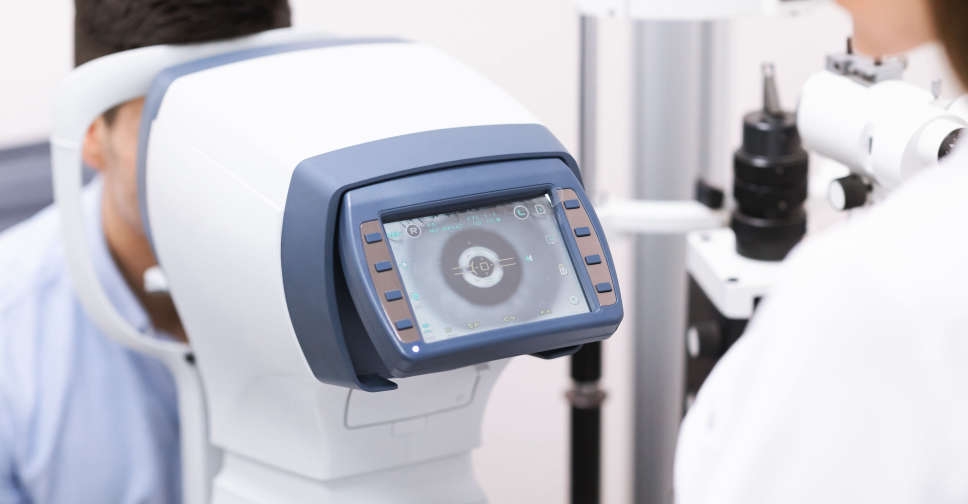
The Abu Dhabi genome study has identified around 100 genetic causes of inherited vision loss across the Emirati population, marking a significant step in deepening the understanding of genetic risks related to vision health.
M42 and Abu Dhabi's Department of Health have partnered for the national study based on the analysis of genomic data from more than 500,000 Emirati citizens.
By securely linking genetic information with anonymised health records through Malaffi, the health information exchange platform, researchers were able to translate scientific discoveries into actionable insights that support medical decision-making and system-level health planning.
This enables healthcare professionals to identify high-risk individuals before symptoms appear, supporting early monitoring, genetic counselling, and the design of more personalised care pathways.
The study also demonstrates how large-scale population genomics can complement traditional clinical research and support the shift from reactive treatment to proactive prevention.
It was held under the Emirati Genome Programme, with the supervision of the Emirates Genome Council in collaboration with national partners.
"By integrating genomics into the healthcare ecosystem, we are strengthening early detection, enabling preventive interventions, and advancing evidence-based health policies that protect community health and improve quality of life over the long term,” said Dr. Noura Al Ghaithi, Undersecretary of the Abu Dhabi's Department of Health.
“This research demonstrates the scale of what’s possible when genomics is paired with real-world health data. Through the Emirati Genome Programme, we are unlocking deep insights that support early prevention and contribute to developing more precise and sustainable care at the community level,” added Dimitris Moulavasilis, Group Chief Executive Officer, M42.
Additional results of the study clarified the role of specific genes associated with inherited retinal diseases such as Stargardt disease, which is a rare genetic disorder that affects the retina and leads to progressive loss of central vision, often beginning in childhood or adolescence.
Population-level analysis enabled differentiation between individual clinical patterns and broader trends, opening new pathways for early diagnosis and preventive care.
The study also identified a rare but treatable genetic condition associated with early-onset visual impairment, with findings also revealing that a higher frequency of a genetic variant within a population does not necessarily equate to increased disease risk.
الدكتور محمد العامري، مدير إدارة الجينوم والبنك الحيوي في دائرة الصحة – أبوظبي، يتحدث عن الدراسة التي أصدرتها مجموعة M42 بالاستفادة من بيانات جينومية لبرنامج الجينوم الإماراتي، مؤكداً أن نتائج الدراسة ستسهم في دعم تدخلات مبكرة أكثر دقة وفاعلية في مجال صحة البصر. pic.twitter.com/HkluiebHza
— مكتب أبوظبي الإعلامي (@ADMediaOffice) April 21, 2026

 UAE, Slovakia discuss bilateral relations in Bratislava meeting
 Emirati mountaineer becomes youngest Arab to climb over 7,000 metres
 UAE stands in solidarity with Japan after deadly earthquake
 UAE Floating Hospital fits 51 prosthetic limbs for Palestinian amputees
 UAE discusses digital governance, content safety with Meta