

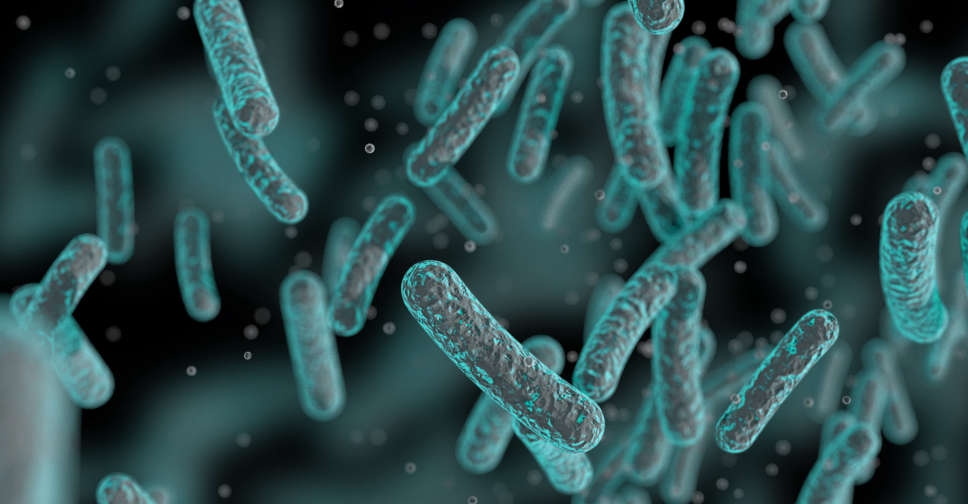
In a groundbreaking discovery, scientists have found a new use for ocean bacteria in battling climate change.
They have bolstered the bacteria's ability to capture and store carbon in the ocean, mitigating harmful greenhouse gas emissions.
Marine microorganisms, namely cyanobacteria, have been modified so that they can soak up CO2, the primary culprit driving global climate change.
The bacterium used, Prochlorococcus, is one of the most abundant photosynthetic organisms on the planet and is responsible for a significant portion of photosynthesis on Earth.
The re-engineered bacteria can absorb more CO2 even in conditions where there's less of the gas, and they store the carbon in their bodies instead of releasing it back into the environment.
This innovative line of research offers a unique approach to tackling excessive greenhouse gases in our atmosphere.
While more work is needed to ensure the safety and efficacy of this method, the preliminary findings offer a tantalising possibility in the combat against climate change. It also highlights the critical role nature can play in mitigating environmental issues.


 NASA says new Roman telescope's lifespan could more than double, to 22 years
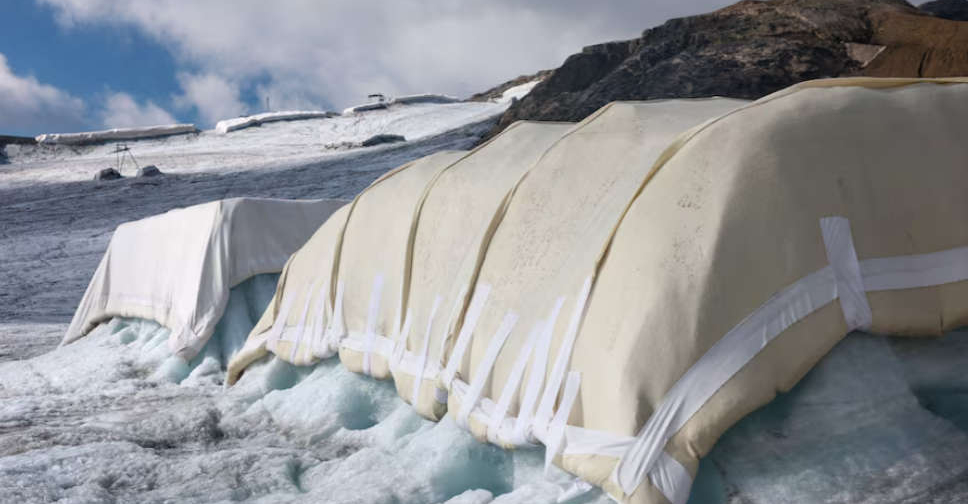 Can sheep save the glaciers? Swiss scientists put wool to the test
 Scientists make potential breakthrough in search for dark matter
 Ultra-white falcon fetches AED1.5 million at Abu Dhabi auction
 Dolly Parton's legacy lives on through book deliveries to kids