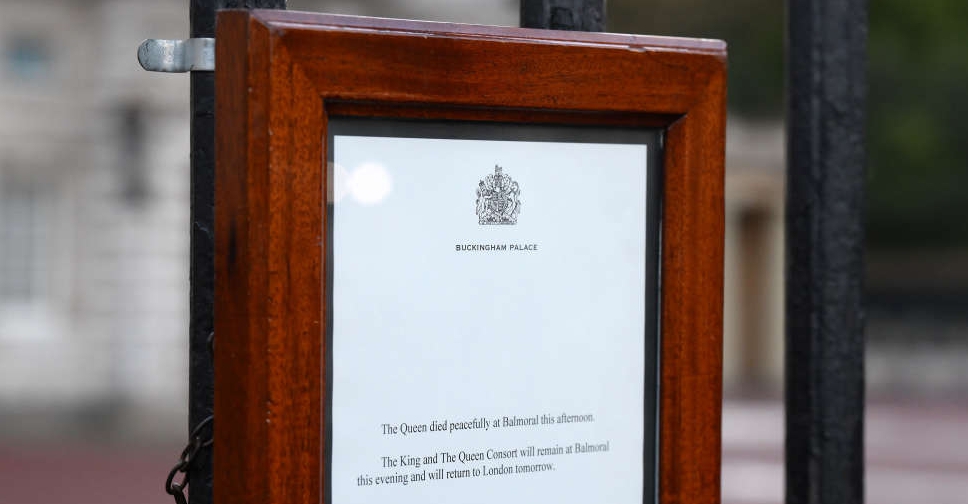
The UK government’s plan for what will happen in the coming days after the death of Queen Elizabeth II is codenamed “Operation London Bridge”.
It's widely expected to include the period of official mourning and details of her state funeral.
The plans were first created in the 1960s and have been updated throughout each year.
Some critical decisions relating to the plan have been made by the Queen herself, although some can only be made by her successor, Charles, the new King.
The phrase "London Bridge is down" was presumed used to communicate the death of the Queen to the UK Prime Minister and key personnel, setting the next phase of the plan into motion.
The royal family are expected to announce details of the queen’s funeral, which traditionally should be held 10 days following her death.
Parliamentary business is likely to be suspended for 10 days and the sovereign’s coffin is suggested will lie in state for three days at the Houses of Parliament.
The Federal Aviation Administration (FAA) halted traffic on Monday at busy US East Coast airports, snarling more than 1,000 flights after a telecom circuit failed and a backup fibre cable was accidentally cut.
MS NOW, CNN and Politico said on Monday they were suing the Trump Administration to protect their First Amendment rights after President Donald Trump's announcement that he would ban the news outlets from the White House's building grounds.
Pakistan's government said on Monday that it launched airstrikes in the Afghanistan-Pakistan border region, killing at least 28 militants, with one security official saying two Afghan provinces were targeted.
Flights at several British airports were delayed on Monday due to an air traffic control failure, Britain's NATS air traffic control provider said, less than two weeks after a separate issue halted flights across the country.
A fire that broke out at a textile factory in the Chinese city of Foshan in southern Guangdong province on Sunday killed eight people and injured one, state media said on Monday.




 US halts flights at busy East Coast airports due to communications issues
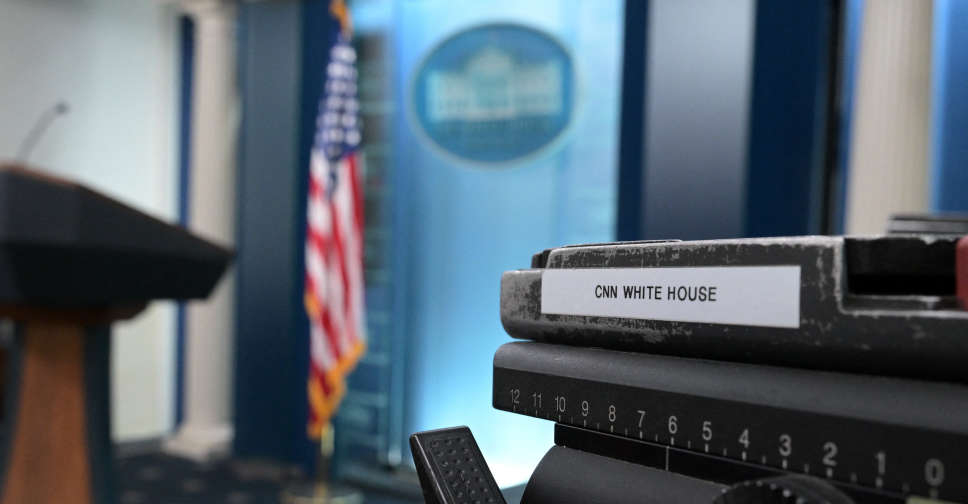 MS NOW, CNN and Politico to sue over White House ban
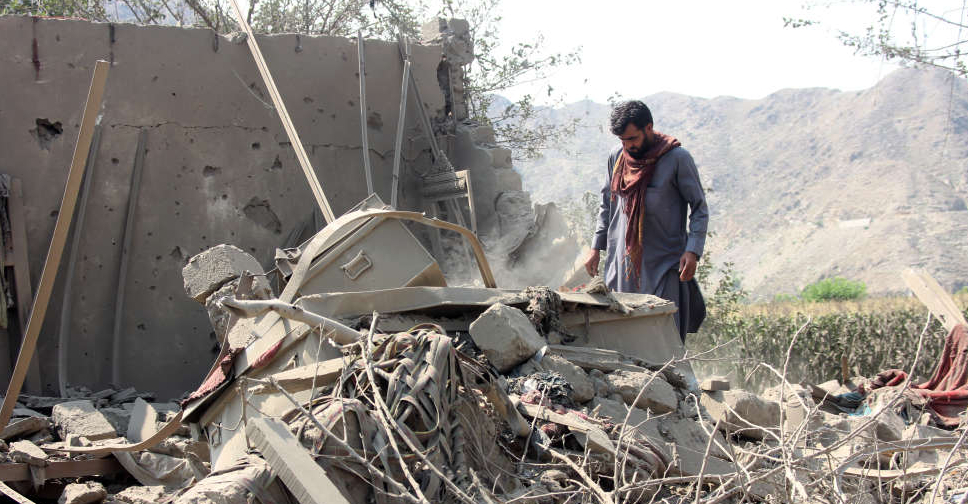 Pakistan says it killed 28 militants, Afghan Taliban and UN report 3 civilian deaths
 New air traffic control failure delays flights at UK airports
 Textile factory fire in southern Chinese city of Foshan kills 8