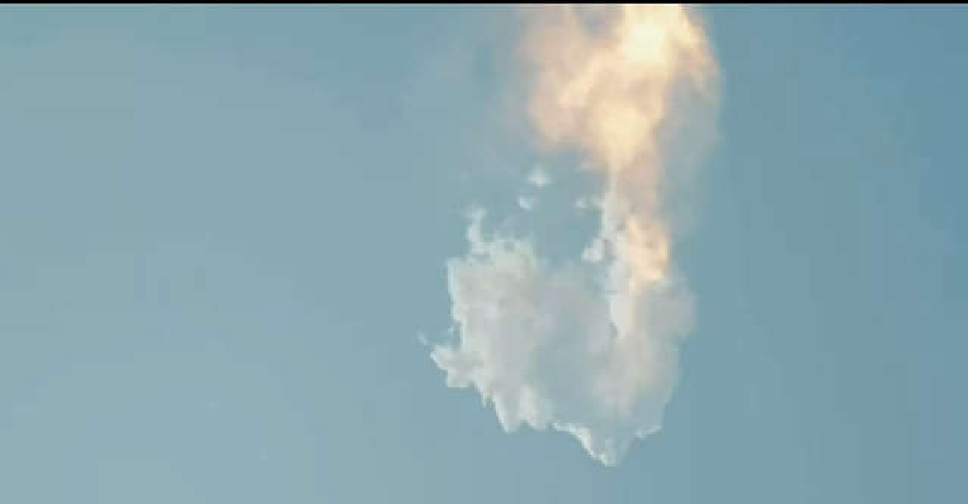
Elon Musk's SpaceX successfully launched its next-generation Starship cruise vessel for the first time atop the company's powerful new Super Heavy rocket on Thursday, in an uncrewed test flight that ended minutes later with the vehicle exploding in the sky.
The two-stage rocketship, standing taller than the Statue of Liberty at 120 metres high, blasted off from the company's Starbase spaceport and test facility east of Brownsville, Texas, for what SpaceX hoped, at best, would be a 90-minute debut flight into space.
A live SpaceX webcast of the lift-off showed the rocket rising from the launch tower into the morning sky as the Super Heavy's raptor engines roared to life in a ball of flame and billowing clouds of exhaust and water vapor.
But less than four minutes into the flight, the upper-stage Starship failed to separate as designed from the lower-stage Super Heavy, and the combined vehicle was seen flipping end over end before exploding.
Nevertheless, SpaceX officials on the webcast cheered the feat of getting the fully integrated Starship and booster rocket off the ground for a clean launch and delared the brief episode a successful test flight.


 France calm under night curfews as government awaits new weekend protests
 Zelenskyy to meet Witkoff as Trump praises Russia and rebukes Ukraine
 Indian voters declared dead fight to get back on electoral rolls
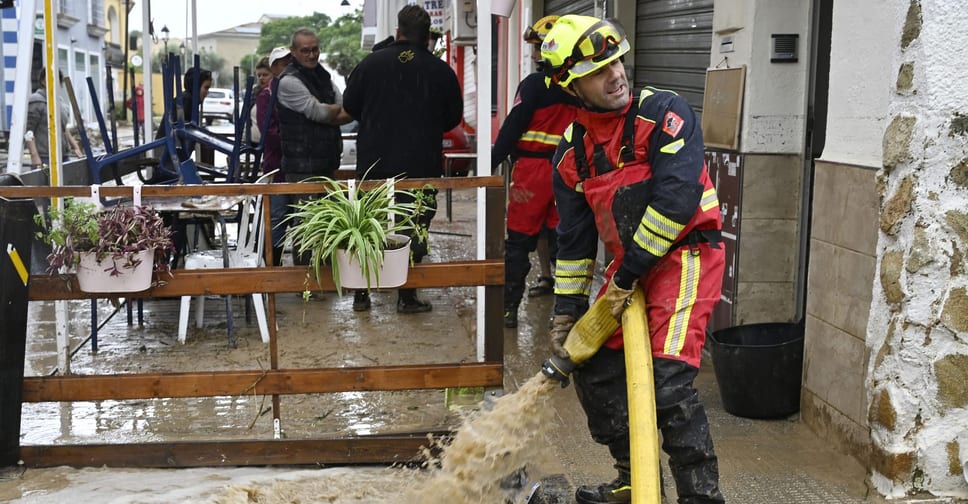 At least four killed in floods in eastern Spain
 Australian PM says attack on lawmaker Helen Haines was deliberate