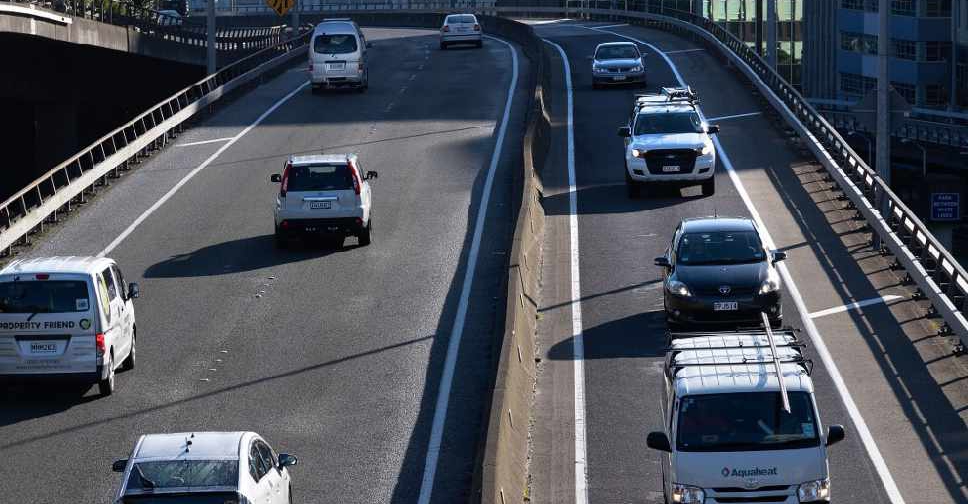
New Zealand has not recorded a single new case of COVID-19 for the first time since mid-March.
It also comes less than a week after the country ended its strict lockdown that shut offices, schools, malls, restaurants, playgrounds and all other public areas.
During a media briefing, Director General of Health Ashley Bloomfield highlighted that it was a "symbolic of the effort everyone put in".
"The real test is later this week when we factor in the incubation period for the virus and the time it takes for people to display symptoms which is generally five to six days after exposure."
The country continues to impose several social restrictions with only some economic activity allowed to resume.
So far, the country has recorded 1,137 positive cases and 20 deaths.
Meanwhile, Australia and New Zealand are discussing the possibility of opening up borders to each other, creating a "travel bubble" between the two nations.
The recovery of hundreds of bodies from the rubble of buildings destroyed by Israeli strikes in Gaza during the war that began nearly three years ago has raised fresh concerns about possible war crimes, the UN human rights chief said on Tuesday.
Indian police will question Google over a lack of safeguards after smashing a criminal network that set up and managed more than 500,000 fake Gmail accounts to send hoax bomb threats to government offices, a police official told Reuters on Tuesday.
The Saudi Arabian Civil Defence has issued an all-clear on Tuesday after issuing alerts about potential danger in six cities, including Yanbu, the kingdom's main Red Sea oil port, where millions of barrels a day are loaded.
Bahrain, Kuwait, and Jordan have extended their condolences to the UAE over the martyrdom of its two military servicemen, Major Abdullah Shams Al Menhaly and candidate Saeed Abdullah Al Shamsi, on Monday.
Britain's King Charles will host the leaders of major artificial intelligence companies this week to discuss whether a shared set of principles is needed to guide a technology that has sparked growing warnings about its threat to humanity.




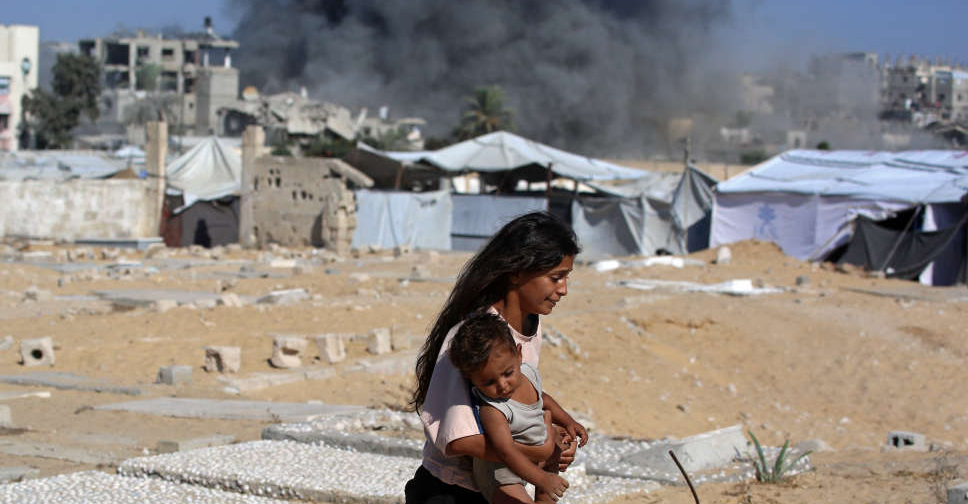 UN rights chief says uncovered remains in Gaza raise concerns of war crimes
 Indian police to query Google over 500,000 fake Gmail IDs linked to bomb hoax
 Saudi Arabia says danger passed in six cities, including Yanbu
 Bahrain, Kuwait, Jordan offer condolences over martyrdom of two UAE servicemen
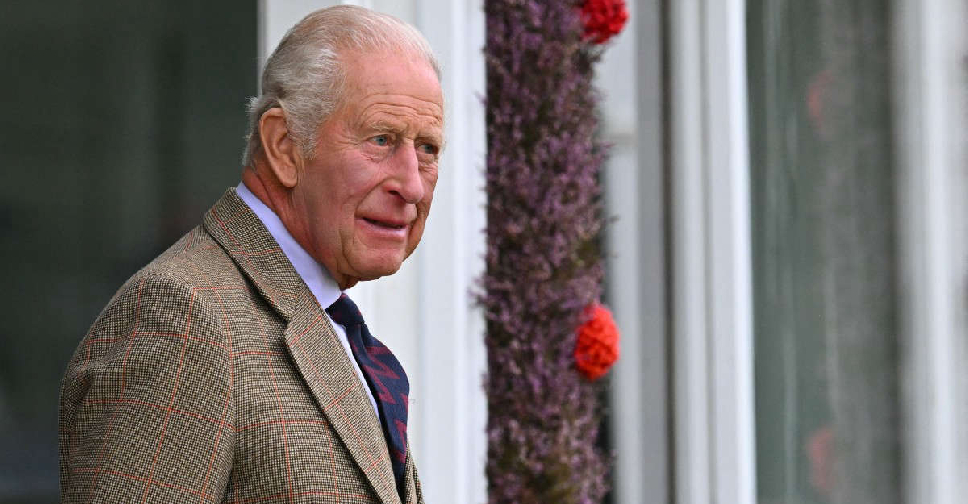 King Charles to host AI executives as threat fears mount