

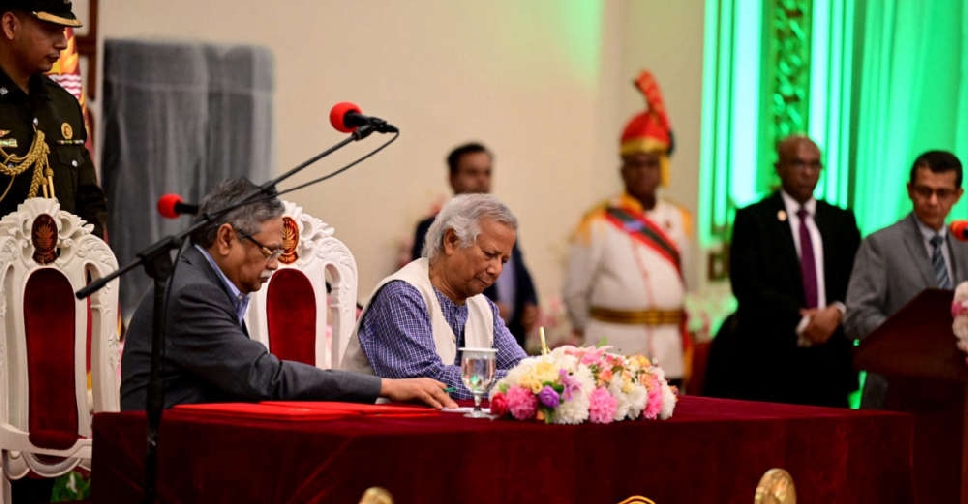
Bangladesh's Nobel Peace Prize winning economist Muhammad Yunus was sworn in as the head of the country's caretaker government on Thursday.
This comes three days after Prime Minister Sheikh Hasina was forced to quit and flee the country following violent protests.
Yunus, 84, was recommended for the role by student protesters and returned to Dhaka earlier on Thursday from Paris, where he was undergoing medical treatment.
"The country has the possibility of becoming a very beautiful nation," an emotional Yunus told reporters at the airport. "Whatever path our students show us, we will move ahead with that."
Yunus will be the chief adviser in the interim government tasked with holding fresh elections in the South Asian country of 170 million people.
The student-led movement that ousted Hasina grew out of protests against quotas in government jobs that spiralled in July, provoking a violent crackdown that drew global criticism, although the government denied using excessive force.
The protests were fuelled also by harsh economic conditions and political repression in the country.

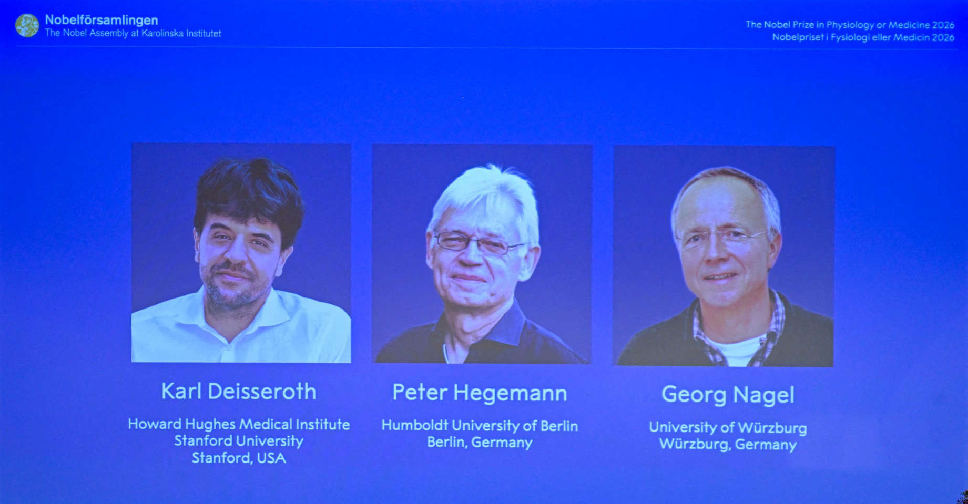 US, German scientists win Nobel medicine prize for work on light and brain
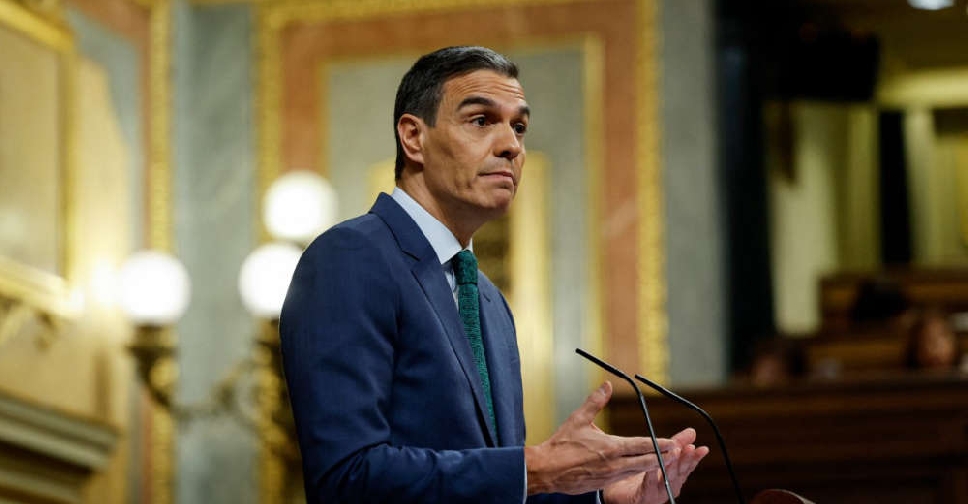 Spanish PM Sanchez calls snap election for November 29
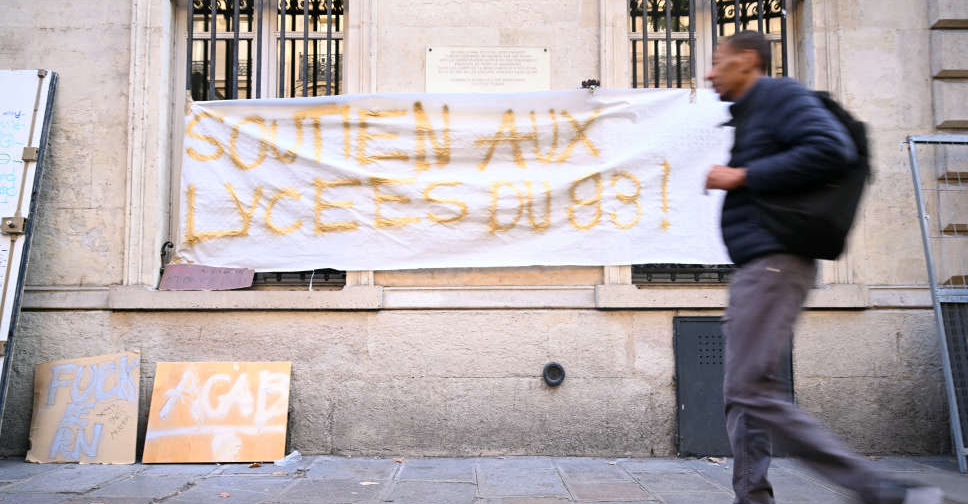 Hundreds of French schools stay closed ahead of nationwide day of student protests
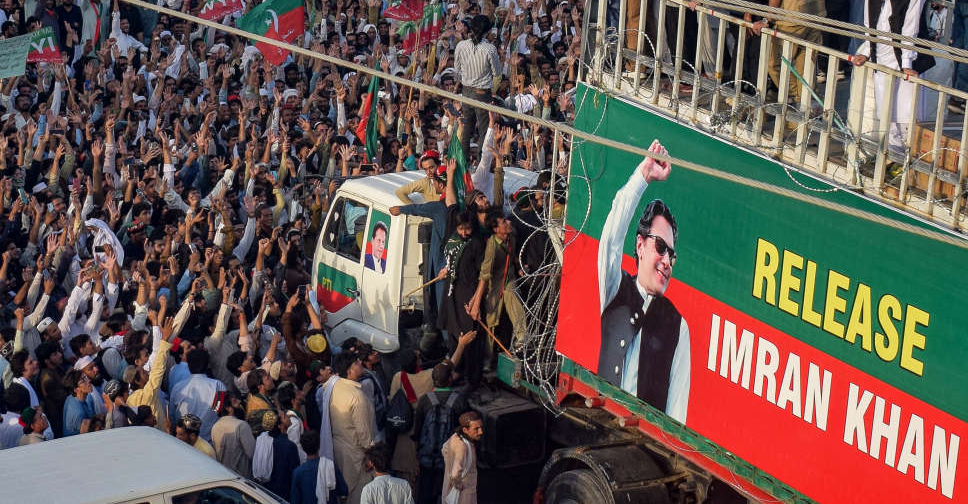 Thousands of Imran Khan supporters start march to Pakistani capital, party says
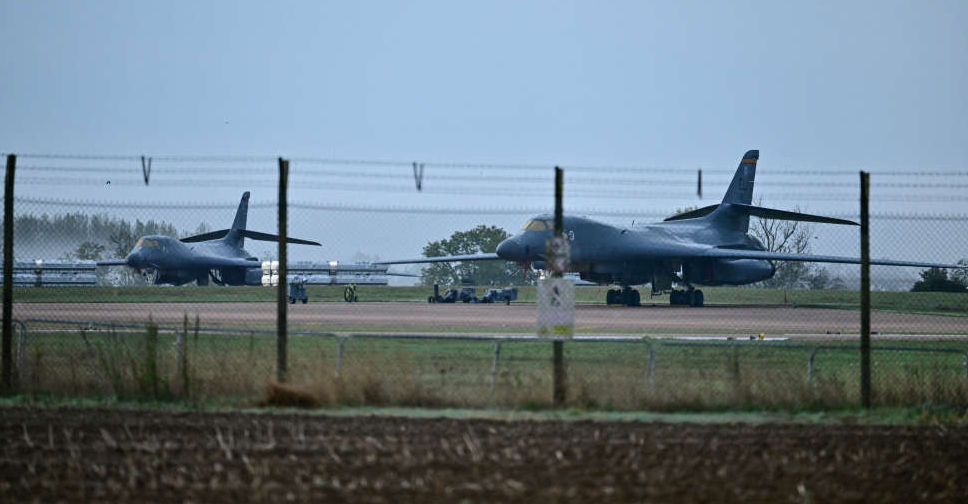 US removes bombers from UK base at centre of suspected Iranian plot