

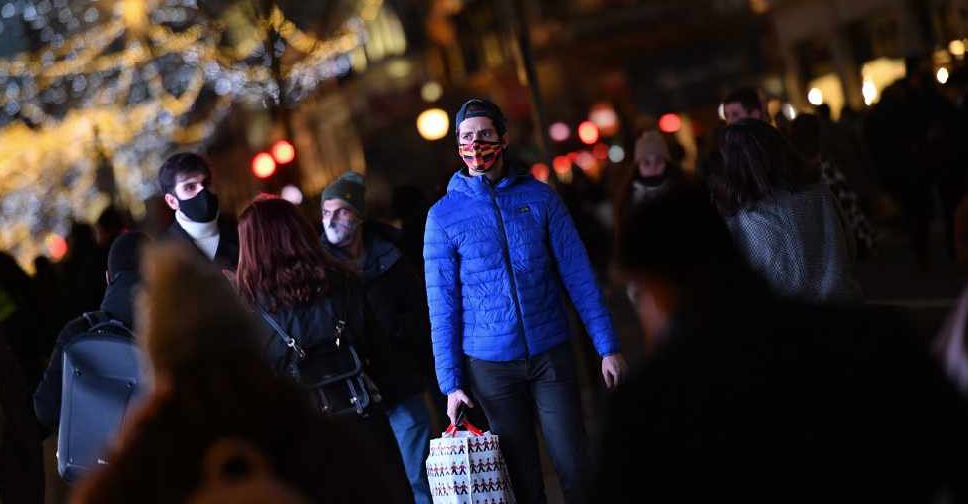
London is likely to be placed into the toughest tier of COVID-19 restrictions following a sharp rise in coronavirus rates, the BBC reported on Monday.
Earlier this month, the government implemented a tiered system of restrictions to try to keep a second wave of the virus under control following a month-long lockdown. More than 40 per cent of citizens were placed in the highest risk category.
The British capital, however, is currently only in the second highest tier of restrictions, with a review scheduled to take place on December 16.
The main difference between the two is that bars and restaurants, which can stay open under certain conditions in tier two, must close their doors in tier three and can only operate takeaway services.
There are also additional restrictions on socialising.
Last week the government raised concerns about the spread of the virus in London schools and announced a programme of mass testing. On Sunday one region of the capital unilaterally decided to close its schools altogether.


 Omani court sentences two tourists for sitting on nesting turtles
 US Coast Guard suspends search for people on crashed medical aircraft
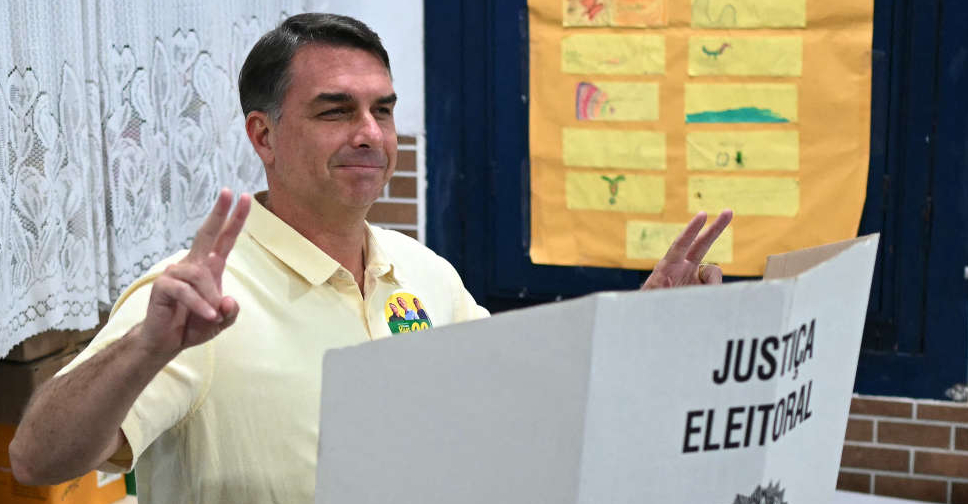 Brazil's Flavio Bolsonaro beats polls in presidential vote, faces Lula in runoff
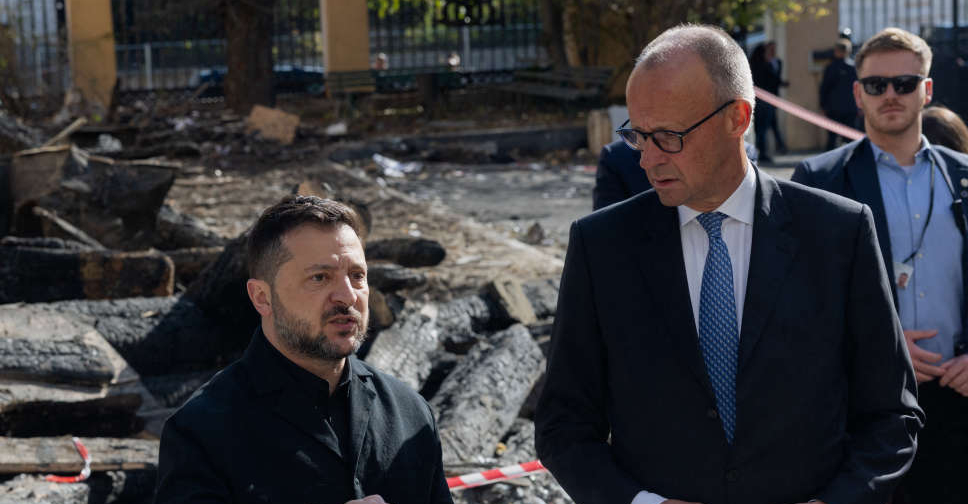 Merz unveils fresh military aid in Kyiv, says Germany won't be intimidated
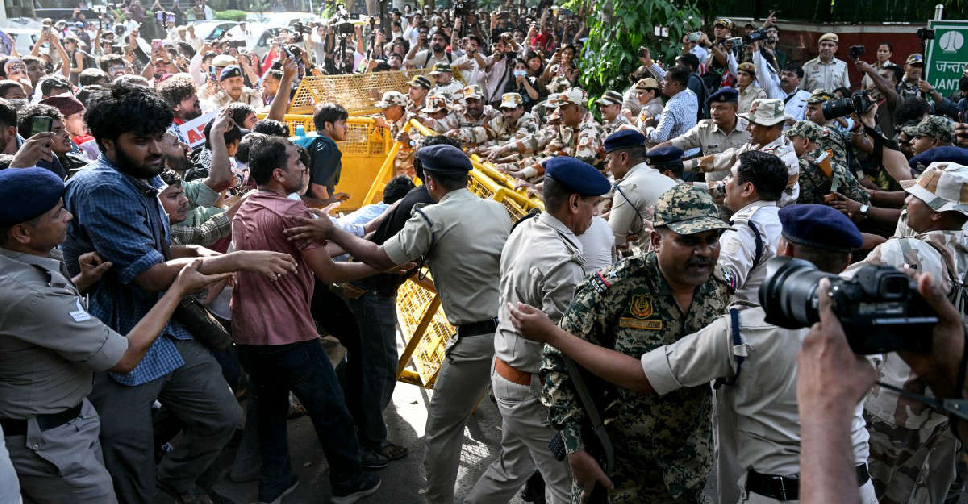 Protests demanding Indian election chief resigns escalate