

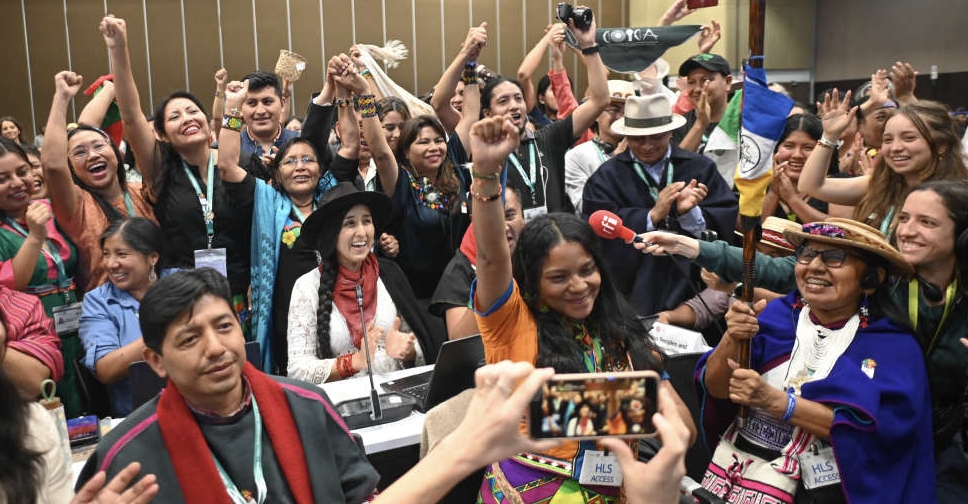
At the COP16 biodiversity conference in Cali, Colombia, countries have agreed to establish a permanent body for Indigenous representation under the United Nations' biodiversity framework, marking a historic recognition of Indigenous contributions to nature conservation.
Representatives from 196 countries approved the creation of a "subsidiary body" that will focus on issues critical to Indigenous communities and local populations, acknowledging their role in managing and protecting some of the most biodiverse regions on Earth.
The decision sparked celebration among Indigenous delegates, many of whom attended in traditional dress, chanting and cheering at the vote.
Indigenous leader Camila Romero from Chile called it an "unprecedented moment" in environmental multilateral agreements, highlighting that this new platform would ensure "full and effective participation" of Indigenous people in biodiversity efforts.
The inclusion of Afro-descendent communities in the consultative body was also agreed upon, though further specifics are still being discussed.
The COP16 summit, themed "Peace with Nature," ran beyond its scheduled close as delegates debated funding mechanisms essential for biodiversity preservation plans.
This breakthrough is viewed as a step toward more inclusive conservation strategies, integrating Indigenous knowledge and practices in global biodiversity efforts.

 Textile factory fire in southern Chinese city of Foshan kills 8
 At least 3 killed in Pakistani airstrike on Afghanistan
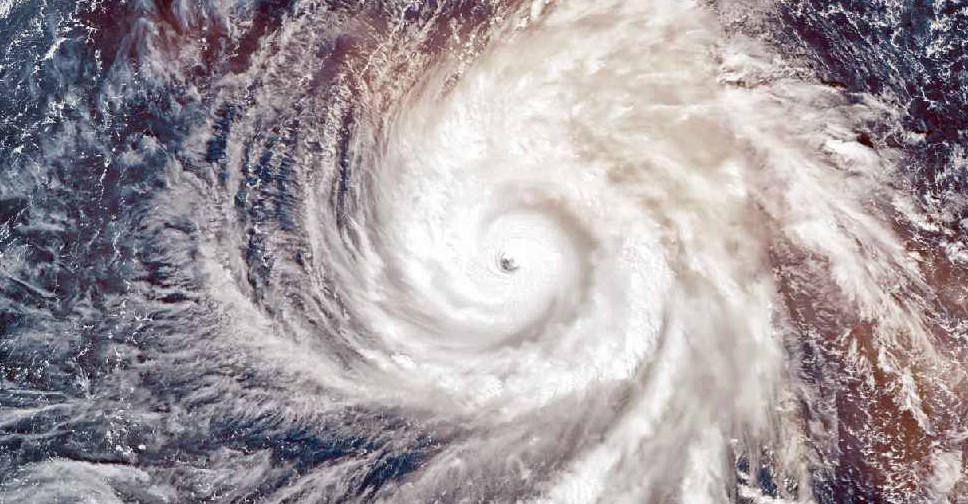 Typhoon approaches eastern Japan, prompts flood and landslide warnings
 Australia to seek UN Security Council seat from 2029
 Indonesia continues search for hundreds missing in capsized ship