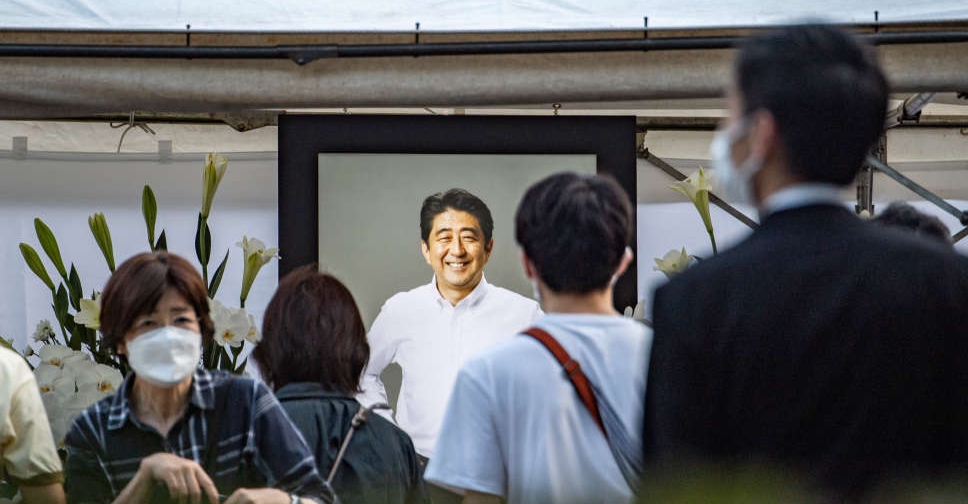
Japan will spend about 1.65 billion yen ($12 million) on the state funeral planned for former Prime Minister Shinzo Abe, according to the government's new estimate on Tuesday that includes security and reception costs.
The government in late August approved a more modest budget of 250 million yen for the funeral but then faced criticism for what was deemed an unrealistic figure that excluded hefty outlays for the security and hosting of VIPs.
Some 6,000 guests including foreign dignitaries are expected to attend the ceremony, to be held on September 27 at Tokyo's Nippon Budokan hall. Abe was shot to death during an election rally in July.
Opposition to a taxpayer-funded service for Abe, Japan's longest-serving but deeply divisive premier, has persisted, exacerbated by revelations of his and other ruling party members' links to the controversial Unification Church. Prime Minister Fumio Kishida's approval ratings have fallen in tandem.
Abe's suspected killer told prosecutors he held a grudge against the religious organisation, known for its mass weddings and aggressive fund-raising tactics, and he believed Abe had connections to the group, local media have reported.
A Yomiuri newspaper poll conducted earlier this month showed 56% of respondents opposing the state funeral, compared with 38 per cent in favour.
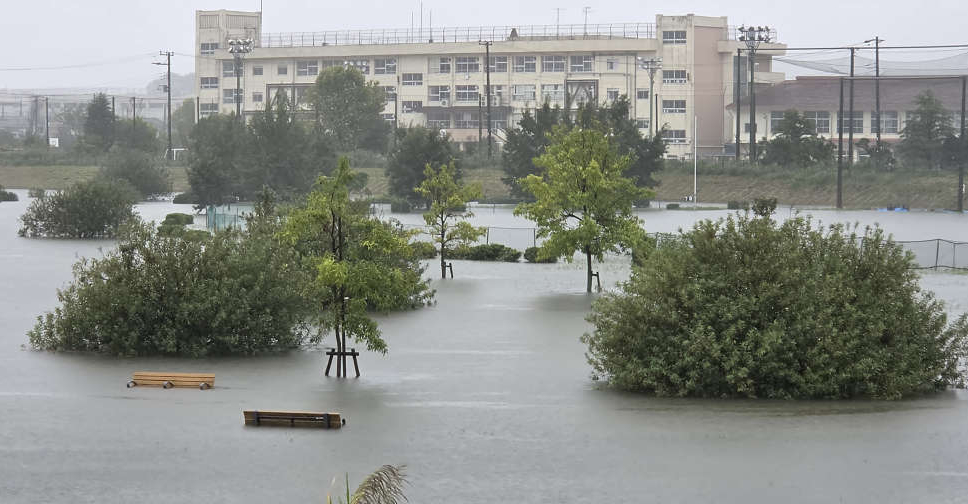
Torrential rains brought by a powerful typhoon lashing Japan's Pacific coast have caused landslides that killed two people, with four missing, public broadcaster NHK said on Tuesday, while snapping electricity supply to nearly 50,000 homes.
Thousands of flights across the US were disrupted on Monday, with incoming flights halted for hours at major East Coast airports, before the Federal Aviation Administration resolved a telecommunications problem late in the afternoon.
British Prime Minister Andy Burnham said on Monday he had agreed to a request from Saudi Arabia to provide defensive air-to-air refuelling for a limited time period, a move he described as helping to stabilise the wider region.
MS NOW, CNN and Politico said on Monday they were suing the Trump Administration to protect their First Amendment rights after President Donald Trump's announcement that he would ban the news outlets from the White House's building grounds.
Pakistan's government said on Monday that it launched airstrikes in the Afghanistan-Pakistan border region, killing at least 28 militants, with one security official saying two Afghan provinces were targeted.



 Torrential rains brought by Japan typhoon kill 2, NHK says
 Thousands of US flights halted before telecom problem resolved
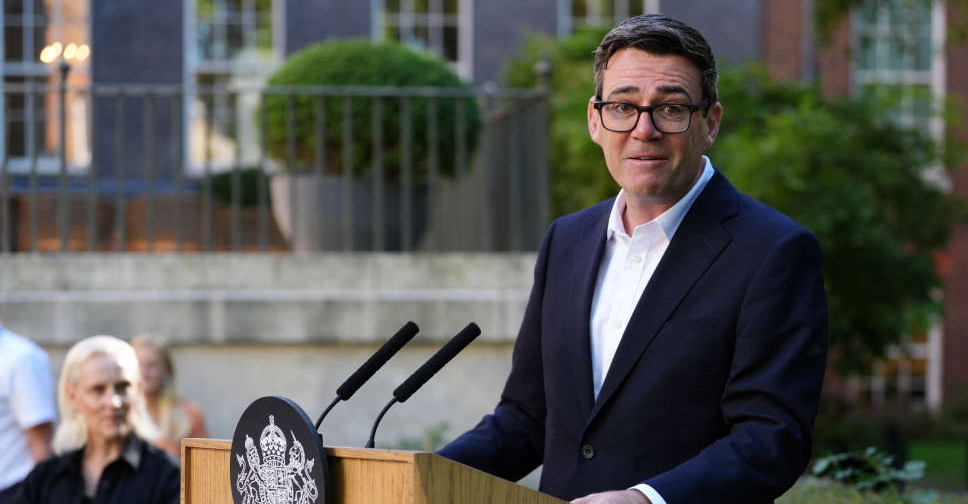 UK's Burnham agrees to Saudi request for refuelling support
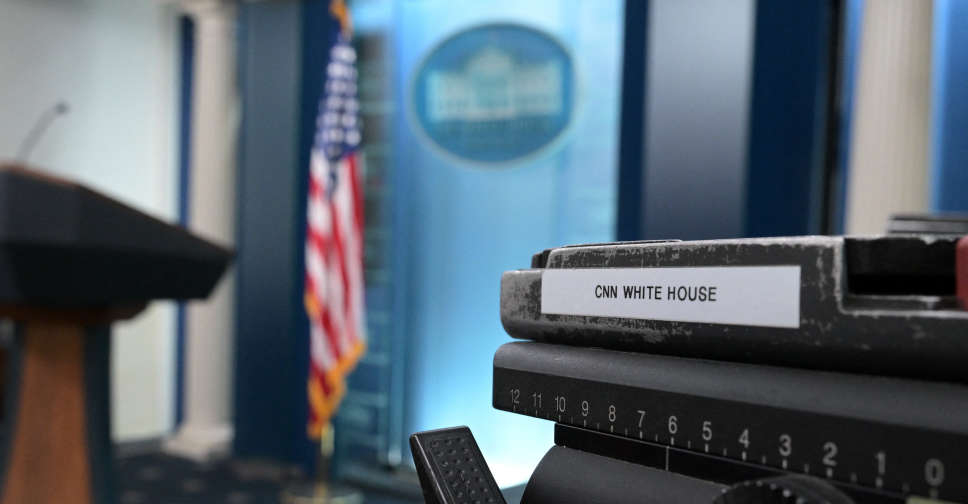 MS NOW, CNN and Politico to sue over White House ban
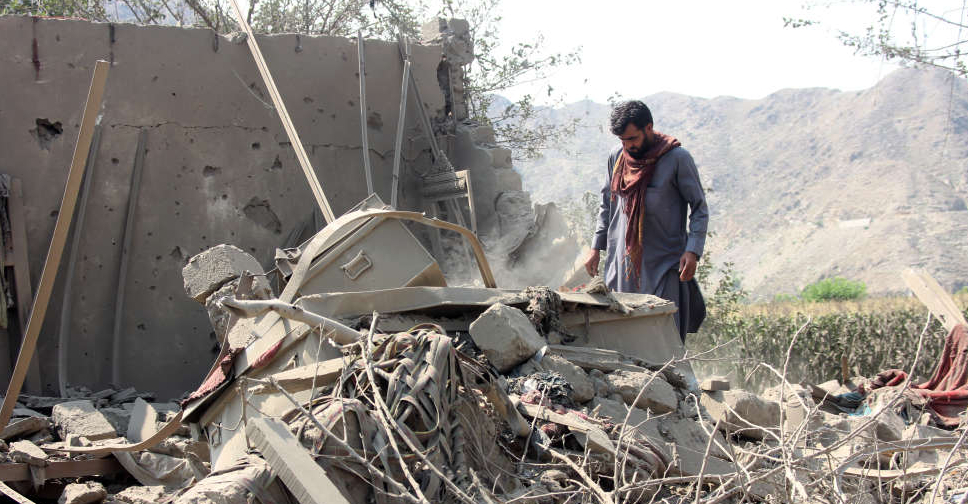 Pakistan says it killed 28 militants, Afghan Taliban and UN report 3 civilian deaths