

Russian opposition leader Alexei Navalny died on Friday after collapsing and losing consciousness at the penal colony north of the Arctic Circle where he was serving a long jail term, the Russian prison service said.
Navalny, by far Russia's most famous opposition leader, rose to prominence more than a decade ago by lampooning the elite class round President Vladimir Putin and voicing allegations of corruption on a vast scale. He was 47.
The Federal Penitentiary Service of the Yamalo-Nenets Autonomous District said in a statement that Navalny "felt unwell" after a walk at the IK-3 penal colony in Kharp, about 1,900 km north east of Moscow.
Navalny, the prison service said, had lost consciousness almost immediately.
"The medical staff of the institution arrived immediately, and an ambulance team was called," the prison service said.
"All necessary resuscitation measures were carried out, which did not yield positive results. Doctors of the ambulance stated the death of the convict.
"The causes of death are being established."
Putin has been told about Navalny's death, Kremlin spokesman Dmitry Peskov said.
Navalny earned admiration from Russia's disparate opposition for voluntarily returning to Russia in 2021 from Germany, where he had been treated for what Western laboratory tests showed was an attempt to poison him with a nerve agent.
Navalny said at the time that he was poisoned in Siberia in August 2020. The Kremlin denied trying to kill him and said there was no evidence he was poisoned with a nerve agent.
Kremlin spokesman Dmitry Peskov said on Friday that Russia's penitentiary service was making all checks regarding the death of jailed opposition leader Alexei Navalny, but that he had no information about the matter.

 Torrential rains brought by Japan typhoon kill 2, NHK says
 Thousands of US flights halted before telecom problem resolved
 UK's Burnham agrees to Saudi request for refuelling support
 MS NOW, CNN and Politico to sue over White House ban
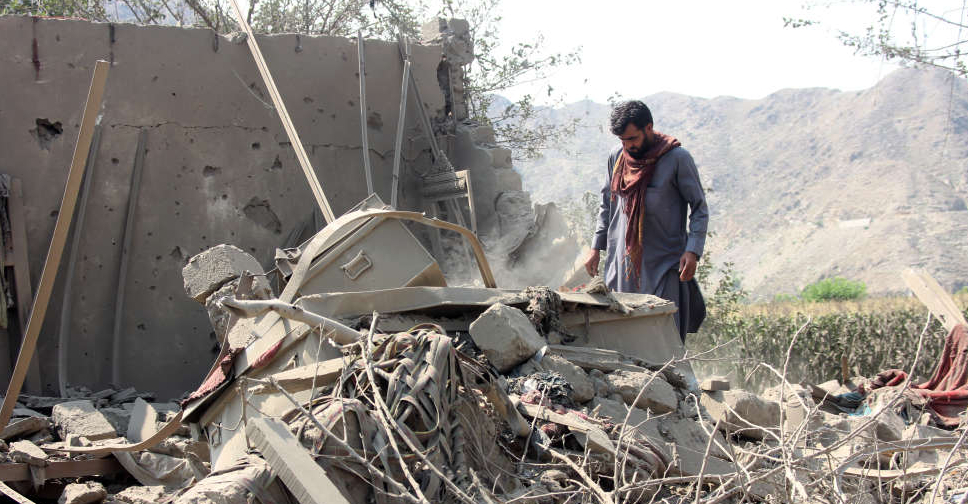 Pakistan says it killed 28 militants, Afghan Taliban and UN report 3 civilian deaths