

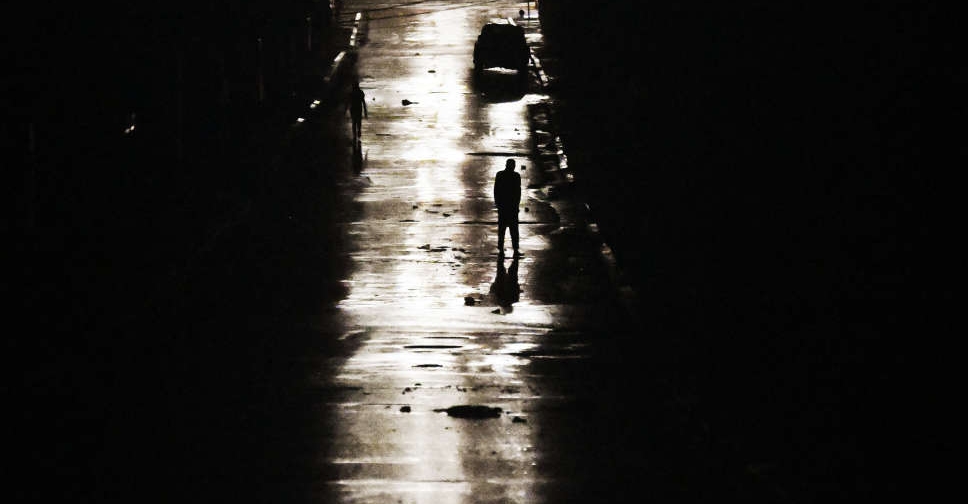
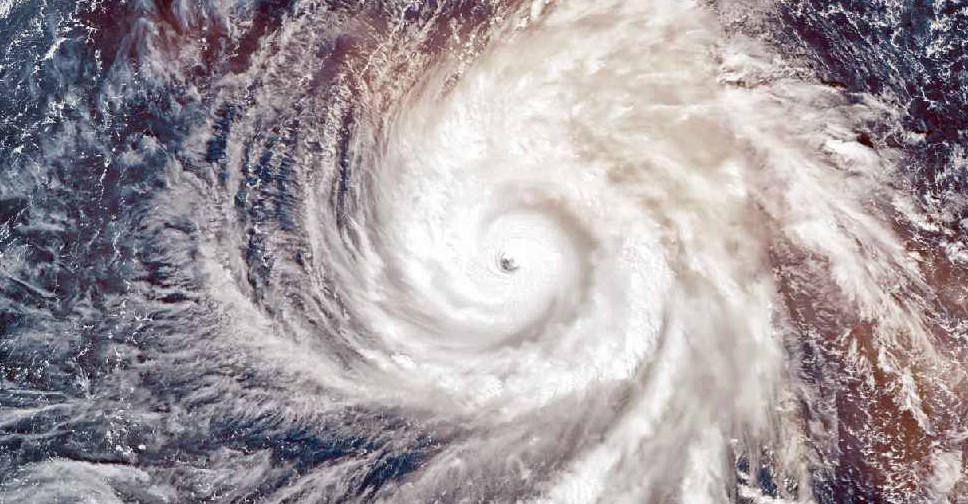
Cuba's national electrical grid collapsed on Wednesday as Hurricane Rafael made landfall on the island's southwest coast, bringing powerful winds of 185 kph and causing widespread devastation.
The storm, which was situated about 45 miles southwest of Havana late in the afternoon, lashed the capital city with heavy rain and violent gusts of wind.
The Miami-based National Hurricane Center (NHC) issued warnings of life-threatening conditions, including storm surges, hurricane-force winds, and flash flooding, for much of western Cuba.
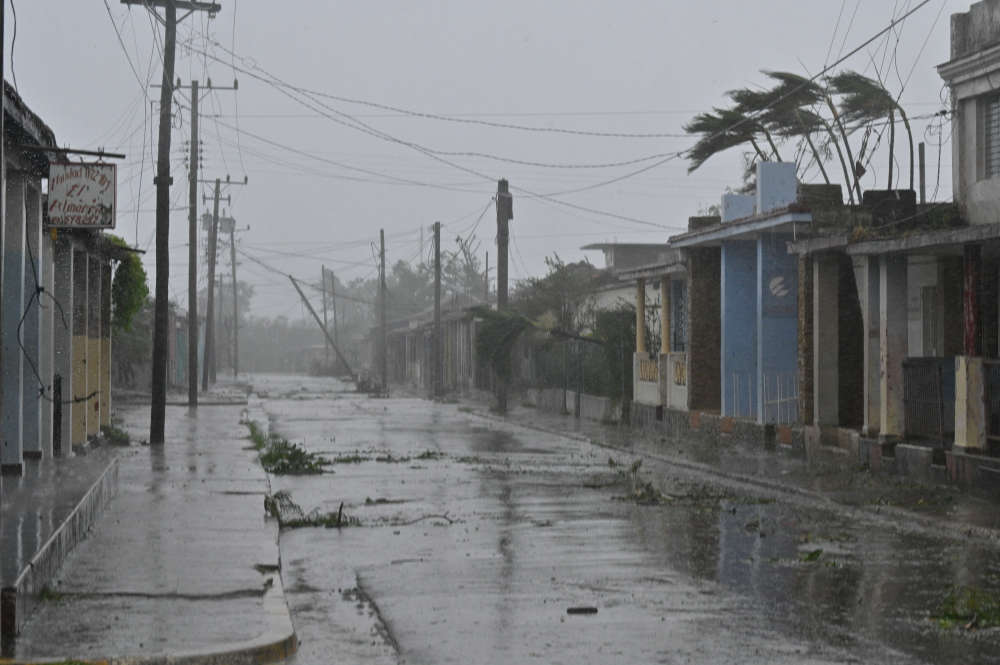
Havana, with a population of nearly two million, remained under a hurricane warning as the storm intensified.
Cuba's state-run grid operator, UNE, confirmed that the high winds had caused the collapse of the country's electrical system.
State-run media reported that the entire population of approximately 10 million people was left without power — the second such massive outage in less than a month.
The ongoing crisis exacerbates Cuba's already strained infrastructure, as the island grapples with both the impact of natural disasters and economic hardships.
As Hurricane Rafael continues to move across the region, authorities are bracing for more damage, with efforts underway to assess the full scale of the destruction.

 MS NOW, CNN and Politico to sue over White House ban
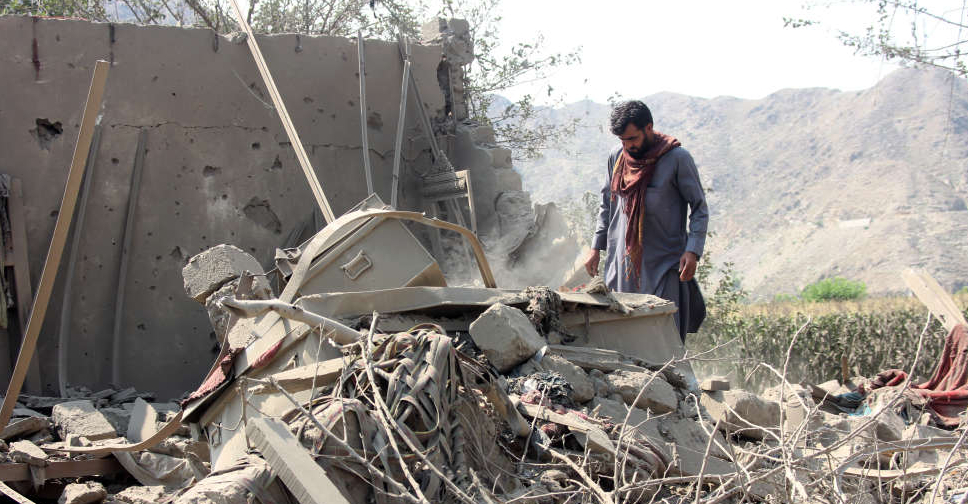 Afghanistan says Pakistani airstrikes kill at least three
 New air traffic control failure delays flights at UK airports
 Textile factory fire in southern Chinese city of Foshan kills 8
 Typhoon approaches eastern Japan, prompts flood and landslide warnings