

COVID-19 no longer represents a global health emergency, the World Health Organization said on Friday.
It's a major step towards the end of the pandemic that has killed more than 6.9 million people, disrupted the global economy and ravaged communities
The WHO's emergency committee first declared that COVID represented its highest level of alert more than three years ago, on January 30, 2020.
The status helps focus international attention on a health threat, as well as bolstering collaboration on vaccines and treatments.
Lifting it is a sign of the progress the world has made in these areas, but COVID-19 is here to stay, the WHO has said, even if it no longer represents an emergency.
The death rate has slowed from a peak of more than 100,000 people per week in January 2021 to just over 3,500 in the week to April 24, according to WHO data.


 Spanish PM Sanchez calls snap election for November 29
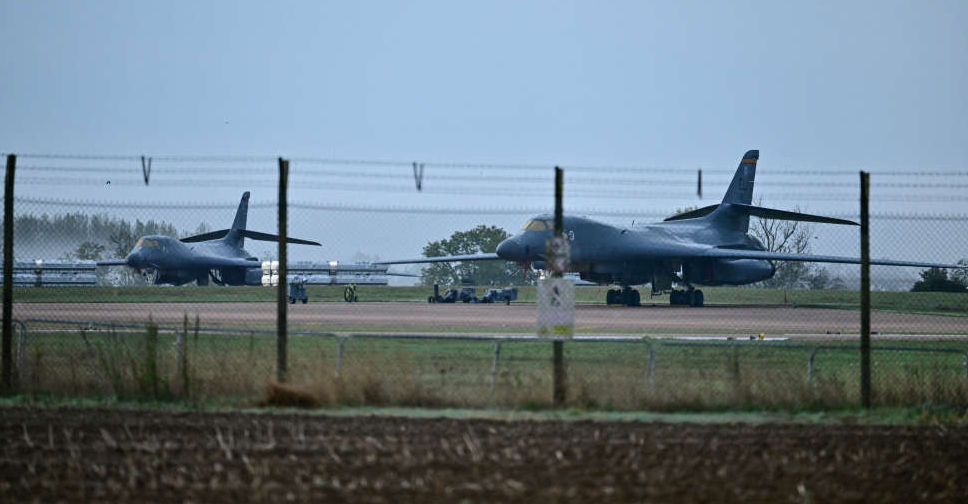 US removes bombers from UK base at centre of suspected Iranian plot
 Omani court sentences two tourists for sitting on nesting turtles
 US Coast Guard suspends search for people on crashed medical aircraft
 Brazil's Flavio Bolsonaro beats polls in presidential vote, faces Lula in runoff