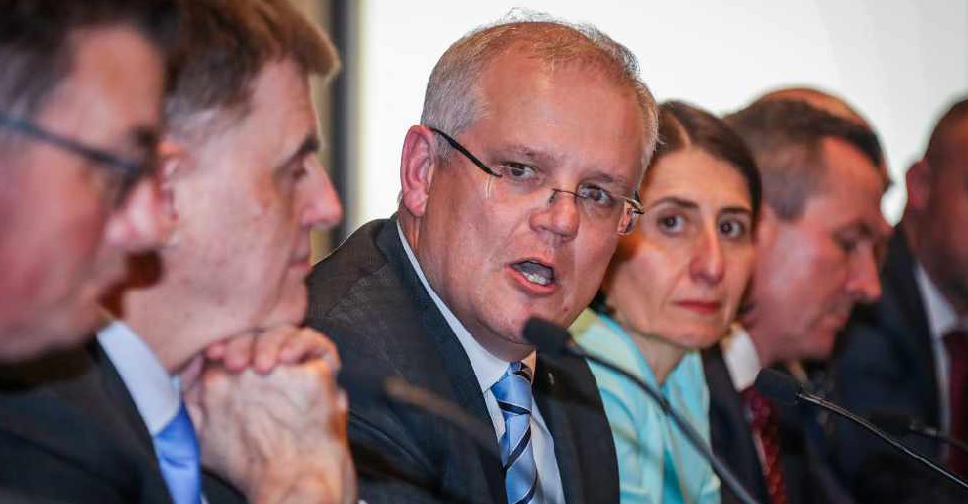
Australia has declared a "human biosecurity emergency" that will empower the government to close off cities, impose curfews and order quarantine measures.
Making the declaration on Wednesday, Australian Prime Minister Scott Morrison warned that the coronavirus crisis could last at least six months.
He also urged citizens to abandon overseas travel and accompanied a ban on any non-essential indoor gatherings of more than 100 people. It will, however, exclude essential services like schools, public transport and shopping centres.
"Life is changing in Australia, as it is changing all around the world," Morrison said during a televised news conference. "Life is going to continue to change, as we deal with the global coronavirus. This is a once in a hundred year type event."
He also reiterated the need for social distancing and announced restricted access to aged care homes.
The country has recorded more than 500 coronavirus infections and six deaths.
The United States on Friday attacked military targets on Iran's main oil hub of Kharg Island, President Donald Trump said, threatening to strike oil infrastructure on the island if Iran continues to block shipping through the Strait of Hormuz.
The United States is offering a reward of up to $10 million for information about senior Iranian military and intelligence officials, including its new Supreme Leader, Ayatollah Mojtaba Khamenei.
Iran's new Supreme Leader Mojtaba Khamenei is wounded and likely disfigured, US Defence Secretary Pete Hegseth said on Friday, questioning Khamenei's ability to govern after nearly two weeks of US and Israeli attacks.
All six crew members aboard a US military refueling aircraft that crashed in western Iraq are confirmed to have been killed, the US military said on Friday.




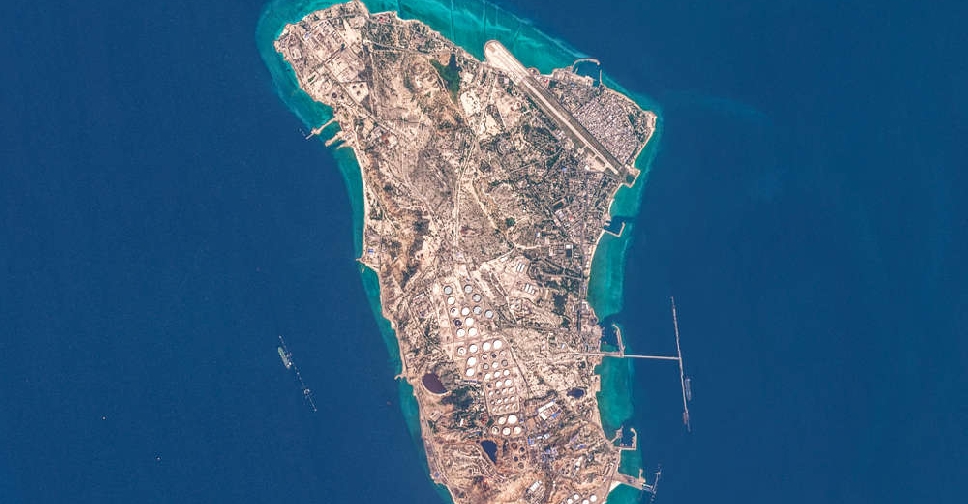 Trump says US struck military targets on Iran's Kharg Island
 US offers reward for information on Iran's supreme leader, senior officials
 Qatar affirms strategic food and water reserves
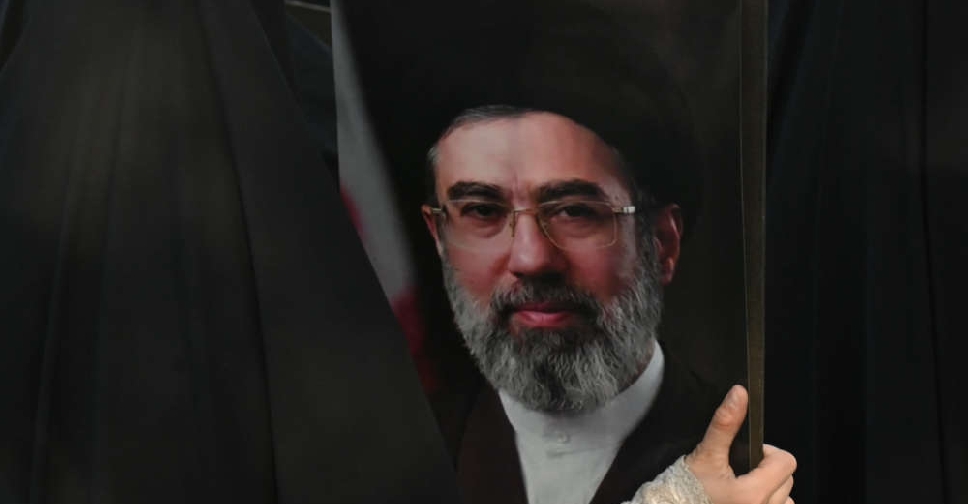 Iran's new supreme leader wounded, likely disfigured, says Hegseth
 Six US service members killed in plane crash over Iraq