The World Health Organisation said it received pledges worth $700 million (AED 2.5 billion) for its 2025-2028 budget at a event in Berlin on Monday, in addition to $300 million (AED 1.1 billion) already pledged by the European and African Unions.
"The COVID-19 pandemic demonstrated that when health is at risk, everything is at risk," WHO head Tedros Adhanom Ghebreyesus said at the event. "Investments in WHO are therefore investments not only in protecting and promoting health, but also in more equitable, more stable and more secure societies and economies."
Germany said it would provide at least 360 million euros ($392.47 million). It and the United States are the biggest country donors to the Geneva-based organization.
"Recently, just a handful of countries have provided large amounts of funding," German Chancellor Olaf Scholz said. "It would be better for us to spread the responsibility across many more shoulders."
"Every contribution counts – no matter how small."
WHO members agreed two years ago to overhaul its funding model which has been described as "fundamentally rotten" due to its over-reliance on the whims of donors.
The agreement means obligatory fees should rise to up to 50 per cent of the budget by 2030-2031 from just 16 per cent in recent years.
US peace envoys Jared Kushner and Steve Witkoff met with Ukrainian President Volodymyr Zelenskiy in Kyiv on Sunday as the Trump administration renewed its push to end Russia's four-and-a-half-year war in Ukraine.
Israeli strikes killed seven people, including two women, in southern Lebanon on Sunday, the Lebanese health ministry said, as Israel retaliated for what it said were Hezbollah drone attacks within areas occupied by its troops.
An eruption of Indonesia's Mount Anak Krakatau caused five airports to suspend flight operations on Sunday, affecting hundreds of flights at Jakarta's main airport, after some school activities and fishing were halted.
Russian President Vladimir Putin told US special representatives Steve Witkoff and Jared Kushner on Saturday that contacts between Moscow and Washington were always beneficial, and that Russia found it convenient to work with them.




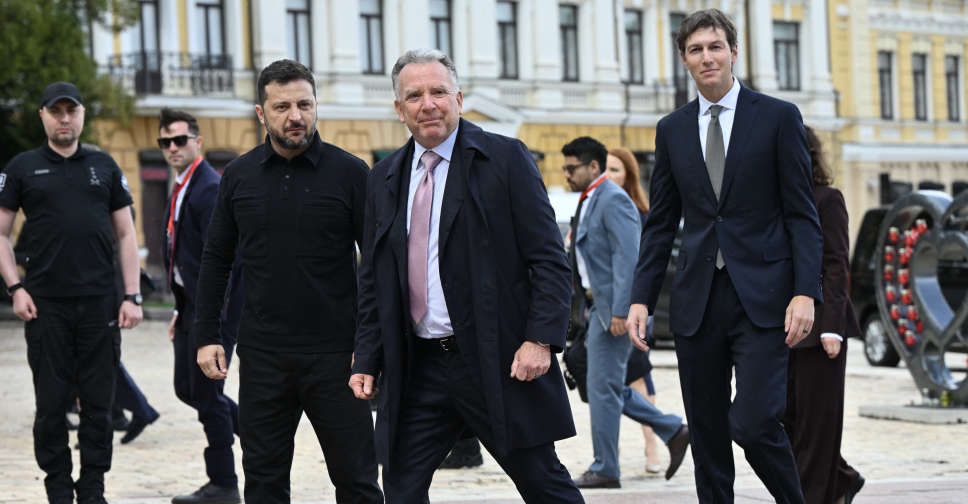 US peace envoys meet Zelenskyy in Kyiv after Putin talks
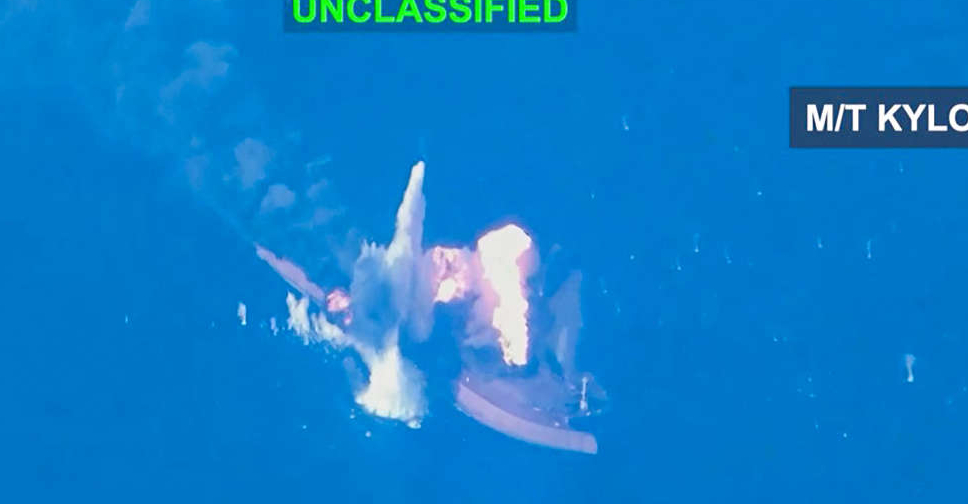 US targets three Iranian oil vessels after attack on Navy ships
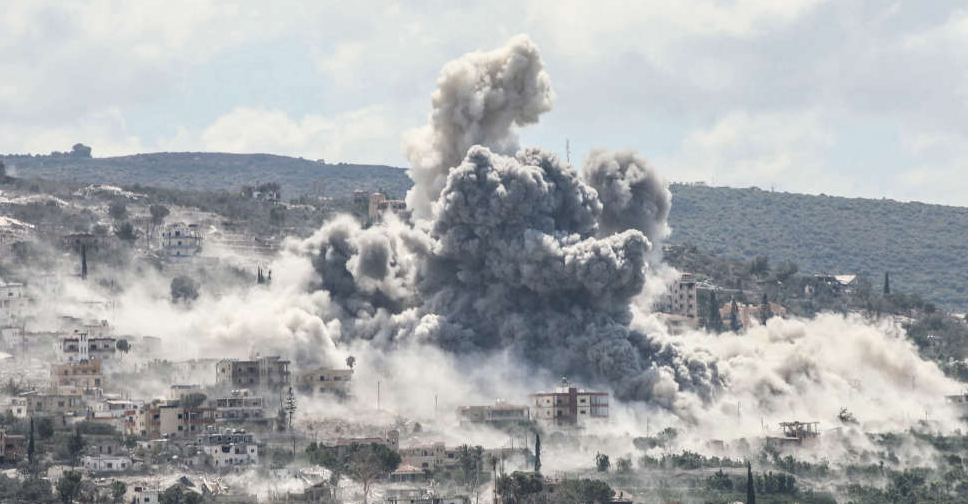 Israeli strikes kill seven in southern Lebanon
 Indonesia's Anak Krakatau eruption halts flights, schools, fishing
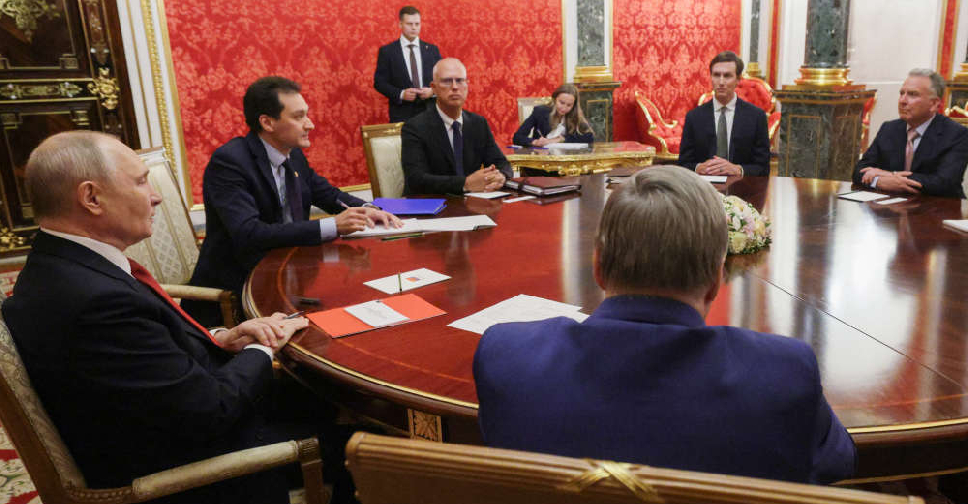 Putin says US-Russia contacts beneficial as talks begin with Witkoff and Kushner