

President Joe Biden warned Prime Minister Benjamin Netanyahu the US will not take part in a counter-offensive against Iran, an option Netanyahu's war cabinet favours after a mass drone and missile attack on Israeli territory, according to officials.
The threat of open warfare erupting between the Middle East foes and dragging in the United States put the region on edge, triggering calls for restraint from global powers and Arab nations to avoid further escalation.
"The Middle East is on the brink. The people of the region are confronting a real danger of a devastating full-scale conflict. Now is the time to defuse and de-escalate," United Nations Secretary-General Antonio Guterres told a Security Council meeting called on Sunday in response to the strikes.
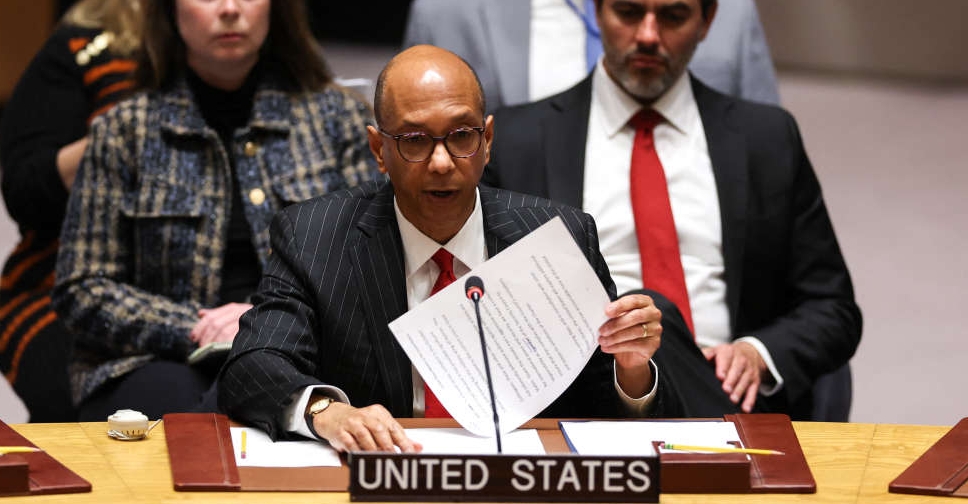
Deputy US Ambassador to the UN Robert Wood called on the council to unequivocally condemn Iran's attack, as he said Washington would explore additional, unspecified measures at the United Nations to hold Iran accountable and warned against further aggression.
"Let me be clear: if Iran or its proxies take actions against the United States or further action against Israel, Iran will be held responsible," he said.
As Washington stressed its desire to avoid escalation, Secretary of State Antony Blinken and Defense Secretary Lloyd Austin spoke to counterparts including in Saudi Arabia, Turkey, Egypt and Jordan, stressing the need to avoid escalation, the importance of a coordinated diplomatic response, and emphasizing that the United States will continue to support Israel's defense.
Israeli officials said Netanyahu's five-member war cabinet favored retaliation in a meeting on Sunday, although the panel was divided over the timing and scale of any such response.

 US halts flights at busy East Coast airports due to communications issues
 MS NOW, CNN and Politico to sue over White House ban
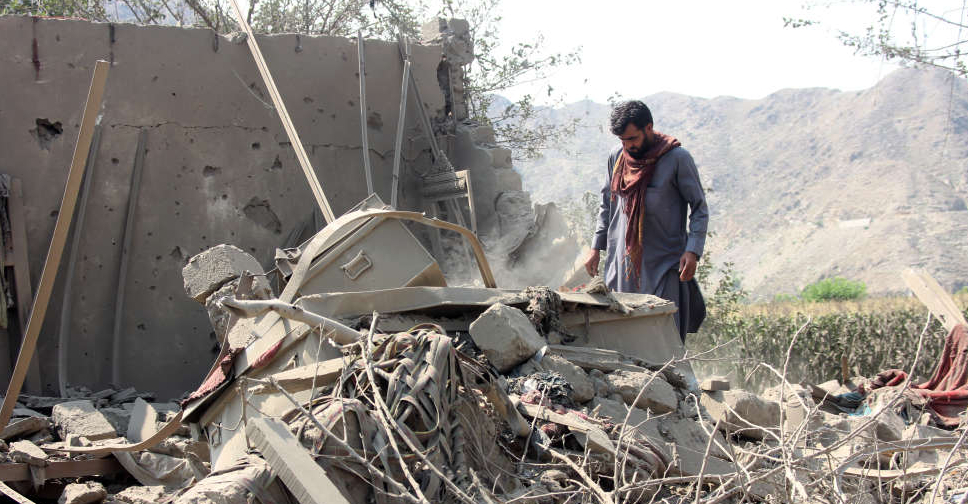 Pakistan says it killed 28 militants, Afghan Taliban and UN report 3 civilian deaths
 New air traffic control failure delays flights at UK airports
 Textile factory fire in southern Chinese city of Foshan kills 8