

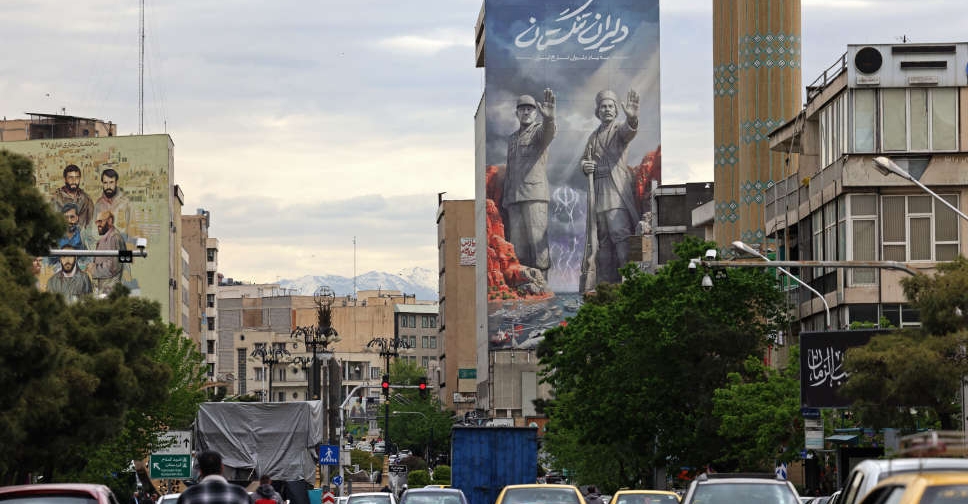
The United States expressed confidence that peace talks with Iran would go ahead in Pakistan and a senior Iranian official said Tehran was considering joining, but significant hurdles and uncertainty remained as the end of a ceasefire loomed.
The two-week truce in the war is set to expire within days and despite Iran earlier ruling out a second round of negotiations this week, a Pakistani source involved in the discussions told Reuters there was momentum for talks to recommence on Wednesday.
"Things are moving forward and the talks are on track for tomorrow," the source said on Tuesday on condition of anonymity, adding US President Donald Trump could attend in person, or virtually, if a deal were to be signed.
US Vice President JD Vance will travel to Pakistan on Tuesday for negotiations, Axios reported, citing US sources and the Wall Street Journal said Iran had told regional mediators it would send a delegation to Pakistan on Tuesday, citing people familiar with the matter.
Reuters could not immediately confirm the reports. An Iranian official, speaking to Reuters, said Tehran was "positively reviewing" its participation in the talks but stressed no decision had been made.
OIL PRICE DOWN ON TALKS OPTIMISM
Oil prices fell more than $1 and stocks bounced back in early trading in Asia on Tuesday on expectation that US-Iran peace talks will resume this week, after an earlier meeting in Islamabad broke down without an agreement. Oil prices had jumped around 6 per cent in Monday trading on doubts over the talks.
Brent crude futures LCOc1 declined $1.04, or 1.1 per cent, at $94.44 a barrel at 0600 GMT and US West Texas Intermediate CLc1 for May fell $1.66, or 1.9 per cent, to $87.95.
But tensions remained high on Tuesday, with defiant rhetoric from Iran adding to uncertainty over whether the talks will happen.
Top officials in Tehran chided Washington over its blockade of Iranian ports and Sunday's seizure and boarding of an Iranian commercial vessel, the Touska, which they called ceasefire violations that were obstacles to diplomacy.
A senior Iranian military commander said on Tuesday forces were ready to deliver an "immediate and decisive response" to any renewed hostility from adversaries, the semi-official Tasnim news agency said, while Iran's ambassador to Pakistan, Reza Amiri Moghadam, in an X post said any nation with a great civilisation would not negotiate under threat or force.
Top negotiator Mohammad Baqer Qalibaf had in an X post late on Monday accused Trump of increasing pressure through the blockade, saying he was deluded in seeking to "turn the negotiating table into a table of submission" or justify renewed warmongering.
Trump wants an agreement that would prevent further oil price rises and stock market shocks but has insisted Iran cannot have the means to develop a nuclear weapon. Tehran hopes to leverage its control of the Strait of Hormuz to strike a deal that averts a restart of the war, eases sanctions but does not impede its nuclear program.
Washington has not specified when the two-week ceasefire will end. A Pakistani source involved in the talks said it would expire at 8 pm Eastern Time on Wednesday, or midnight GMT or 3:30 am Thursday in Iran.
IRAN DEMANDS RELEASE OF VESSEL, CREW
Maritime security sources said on Monday the Iranian vessel Touska was likely to have what Washington deems dual-use items that could be used by the military onboard. The US Central Command said the crew failed to comply with repeated warnings over a six-hour period and the vessel violated the US blockade.
China, the main buyer of Iranian crude, has expressed concern over the "forced interception".
Iran's foreign ministry condemned the seizure on Tuesday and demanded the immediate release of the vessel, its crew and their families, warning Tehran would use all its capabilities to defend its national interests and security.
"The United States would bear full responsibility for any further escalation in the region," it said, according to Iranian state media.
Thousands of people have been killed by US-Israeli strikes on Iran and in an Israeli invasion of Lebanon conducted in parallel since the war began on February 28. The war triggered a historic shock to global energy supplies and fears that prolonged conflict could push the global economy to the brink of recession.
The US blockade of Iranian ports has infuriated Tehran, which lifted and then soon re-imposed its own restrictions on the Strait of Hormuz, which typically handles roughly one-fifth of the world's oil and liquefied natural gas supply. Mediator Pakistan has lobbied for Washington to end its blockade.
'THEY'RE GOING TO NEGOTIATE,' TRUMP SAYS
Trump on the John Fredericks Media Network on Monday said Iran would negotiate but reiterated Washington would not allow Tehran to develop a nuclear weapon. "They're going to negotiate, and hopefully they'll make a fair deal, and they'll build their country back up, but they will not have - when they do it - they will not have a nuclear weapon," Trump said.
Pakistan has been preparing to host the talks despite uncertainty about whether they would go ahead. Nearly 20,000 security personnel have been deployed across Islamabad, officials said.
Trump warned on Sunday that the US would destroy every bridge and power plant in Iran if it rejected his terms, continuing a recent pattern of such threats.
White House Press Secretary Karoline Leavitt said on Fox News' "Hannity" programme that the United States was close to a deal with Iran.
"Thanks to the success of the military operation and his (Trump's) hardline negotiating style, we're on the brink of a deal," Leavitt said. "And if not, the president, as commander in chief, still has a number of options at his disposal that he's unafraid to use."

 US, German scientists win Nobel medicine prize for work on light and brain
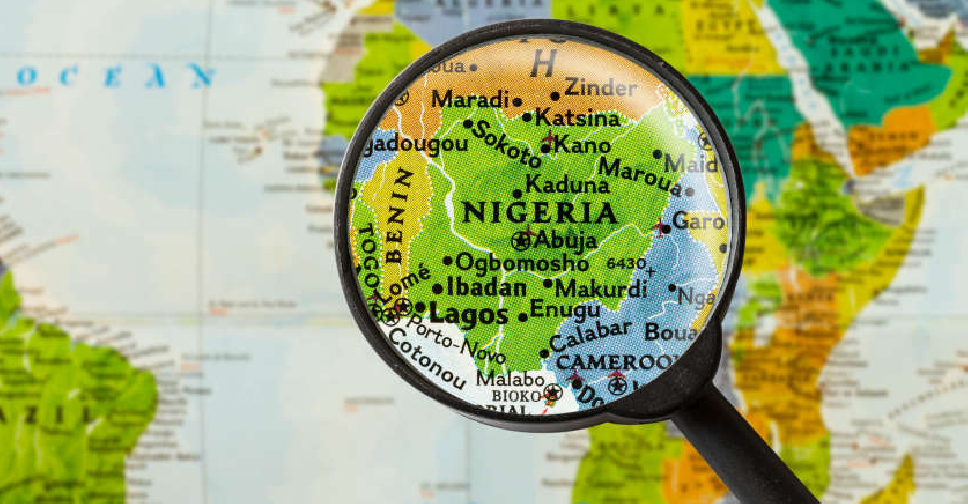 Nigeria military aircraft crashes with 32 aboard
 At least 22 dead after boats collide on Congo river
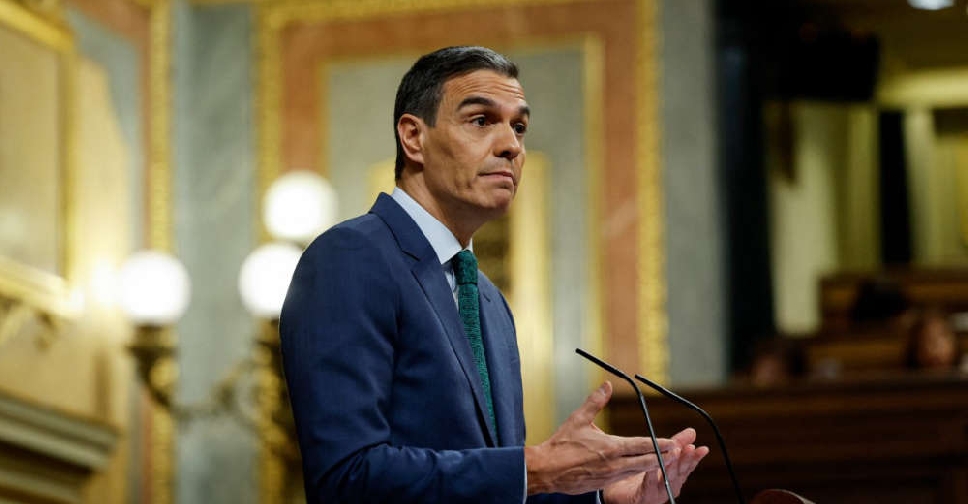 Spanish PM Sanchez calls snap election for November 29
 Hundreds of French schools stay closed ahead of nationwide day of student protests