

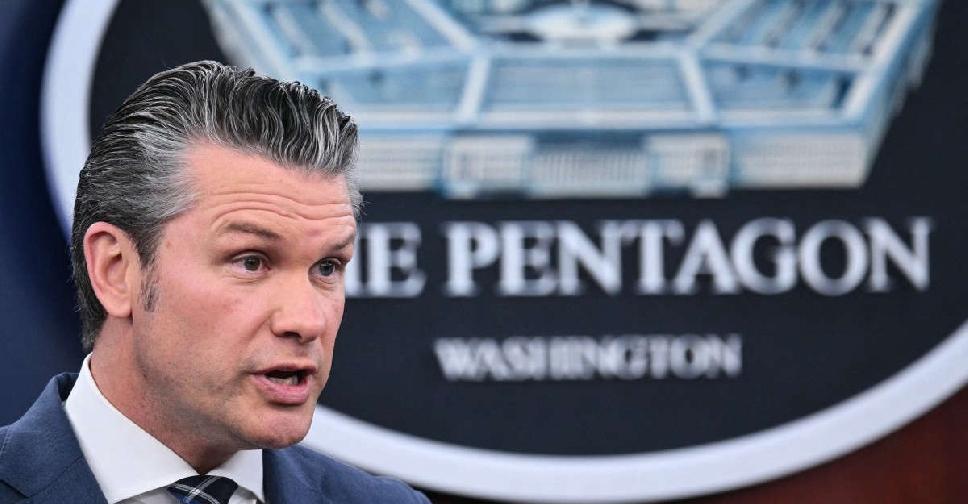
The US objectives in its war against Iran have not changed since strikes started on February 28, Defence Secretary Pete Hegseth said on Thursday, and he accused the media of stirring up concerns that the country risked being locked in an open-ended conflict with shifting priorities.
The US has carried out strikes against 7,000 targets inside Iran, and hit more than 40 Iranian mine-laying vessels and 11 submarines.
"Our objectives, given directly from our America-first president, remain exactly what they were on day one," Hegseth told reporters.
"These are not the media's objectives, not Iran's objectives, not new objectives. Our objectives - unchanged, on target and on plan," Hegseth added.
He spent several minutes in his opening statement criticizing the press, accusing it of trying to convince the American public that it was "spinning toward an endless abyss, or a forever war, or a quagmire."
"Nothing could be further from the truth," he said.
Hegseth told reporters the objectives remained to destroy Iran's missile launchers, its defence industrial base and its navy, and to never allow Iran to get a nuclear weapon.
Reuters reported on Wednesday that sources said President Donald Trump's administration is considering deploying thousands of additional US troops to reinforce its operation in the Middle East.
Options for next steps include securing safe passage for oil tankers through the Strait of Hormuz, a mission that the sources said would be accomplished primarily through air and naval forces.
Securing the strait could also mean deploying US troops to Iran's shoreline, sources told Reuters.
Trump, asked on Thursday whether he intended to put more troops in the region, told reporters he was not putting troops "anywhere," but that if he was going to, he would not tell journalists.
Earlier, General Dan Caine, chairman of the Joint Chiefs of Staff, said the US military remained on track to achieve its objectives and the US was striking deeper into Iranian territory every day.
But Caine acknowledged that Iran retained some missile capabilities.
"They came into this fight with a lot of weapons," Caine said.
That became evident when the US military said in a statement that a F-35 aircraft conducted an emergency landing after flying a combat mission over Iran. The military said the pilot was in stable condition.
A US official, speaking on the condition of anonymity, said it appeared the aircraft had been hit by Iran, but an investigation was underway.
Some 13 US troops have been killed so far in the war and about 200 have been wounded, the military said, adding that most of the injuries have been minor.
Iran's attacks on energy infrastructure in response to Israeli attacks on its gas facilities marked the biggest escalation of the nearly three-week war, causing gasoline prices to surge and oil prices to rise further on Thursday.
Reuters has reported that one of the locations where the Trump administration discussed sending ground forces was Kharg Island, the hub for 90 per cent of Iran's oil exports, where the US carried out strikes recently, saying it had only hit military targets.
Hegseth, in the press conference, cited the strikes against Kharg Island as an example of how the US could control Iran's fate, warning Iran against targeting Arab countries.
"The United States military controls the fate of that country," he said.
Kharg sits 16 miles (26 km) from Iran's coast, about 300 miles (483 km) northwest of the Strait of Hormuz, in waters deep enough to enable the docking of tankers that are too large to approach the mainland's shallow coastal waters.
In a sign that the war could continue for some time, a US official told Reuters the Pentagon had asked the White House to approve a more than $200 billion request to Congress to fund the war in Iran.
"Obviously, it takes money to kill bad guys," Hegseth said, without confirming the number.
"So we're going back to Congress and our folks there to ensure that we're properly funded for what's been done, for what we may have to do in the future," Hegseth said.
The first six days of the war cost the US at least $11.3 billion. That figure, from a closed-door briefing for senators, did not include the entire cost of the war, but was provided to lawmakers as they have clamoured for more information about the conflict.

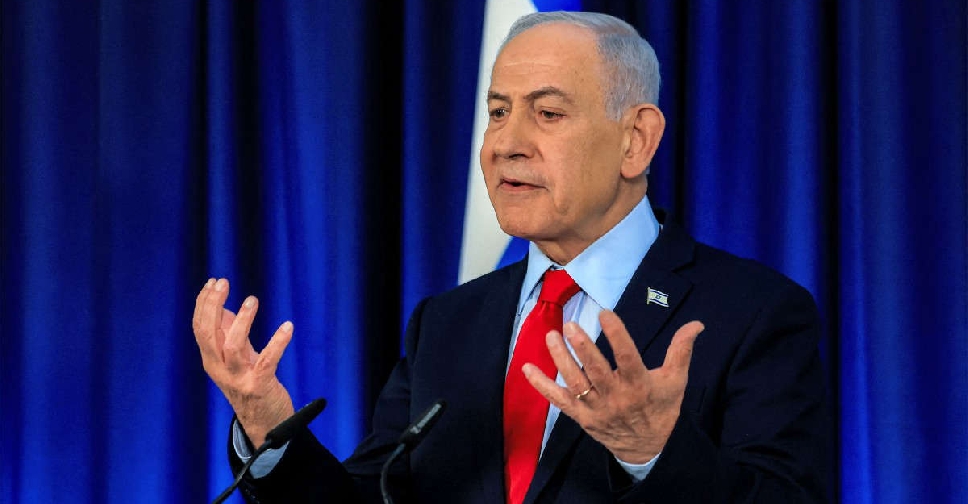 Netanyahu says Iran no longer has uranium enrichment capacity
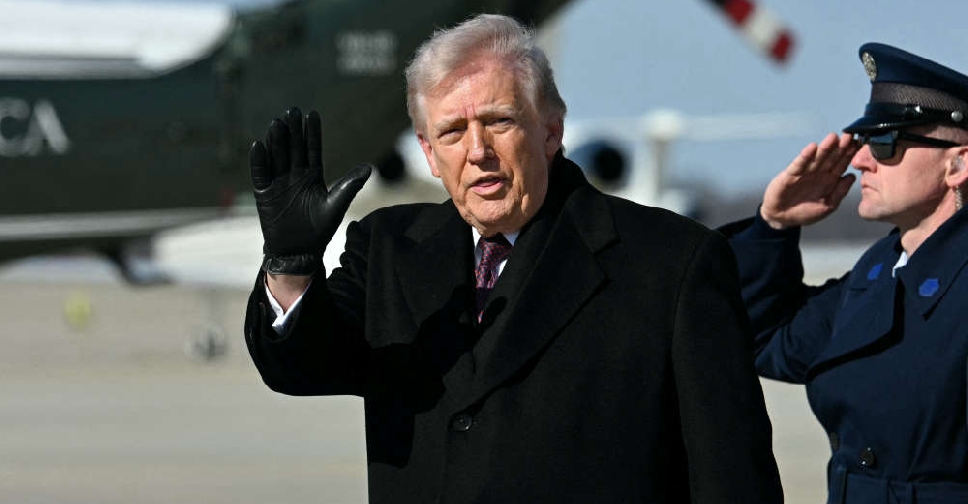 Trump vows no more attacks by Israel on Iran gas field
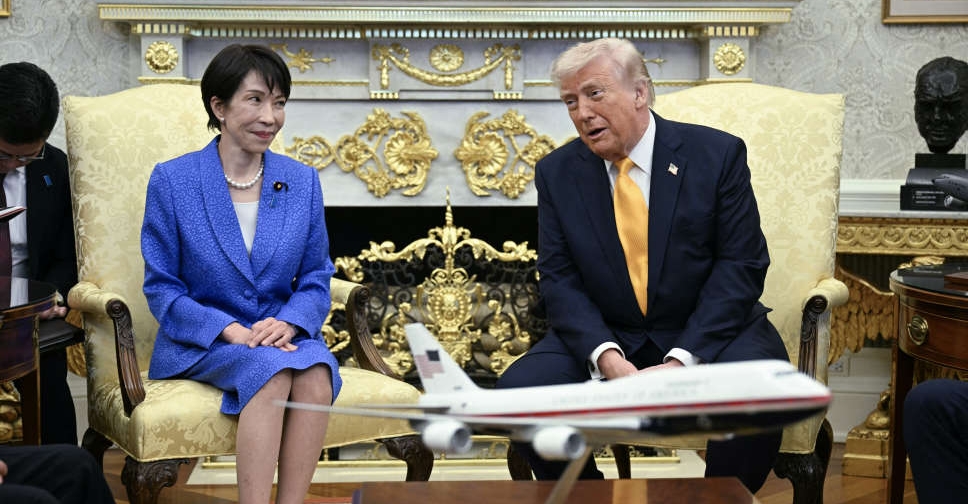 Trump hails Japanese leader, says Tokyo 'really stepping up to the plate' on Iran
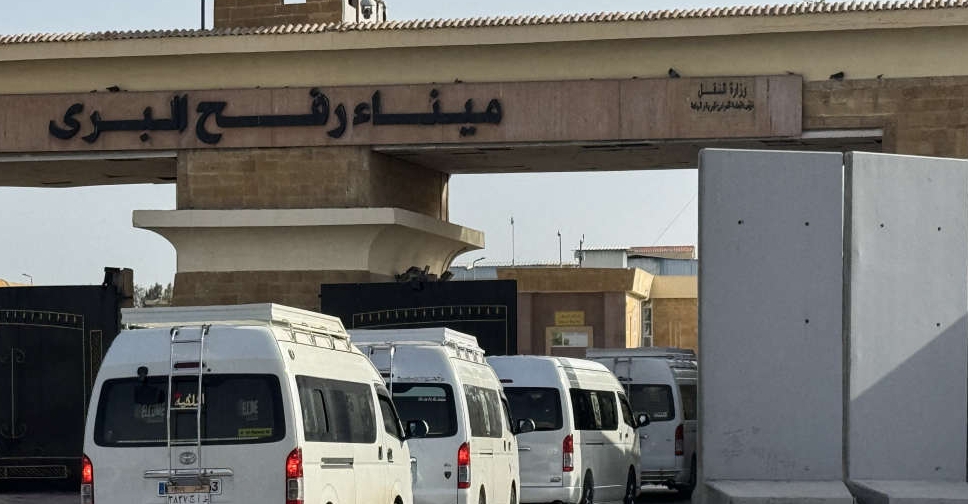 Israel reopens key Gaza crossing amid new truce push
 Oman condemns attacks on UAE, Qatar, Saudi Arabia