

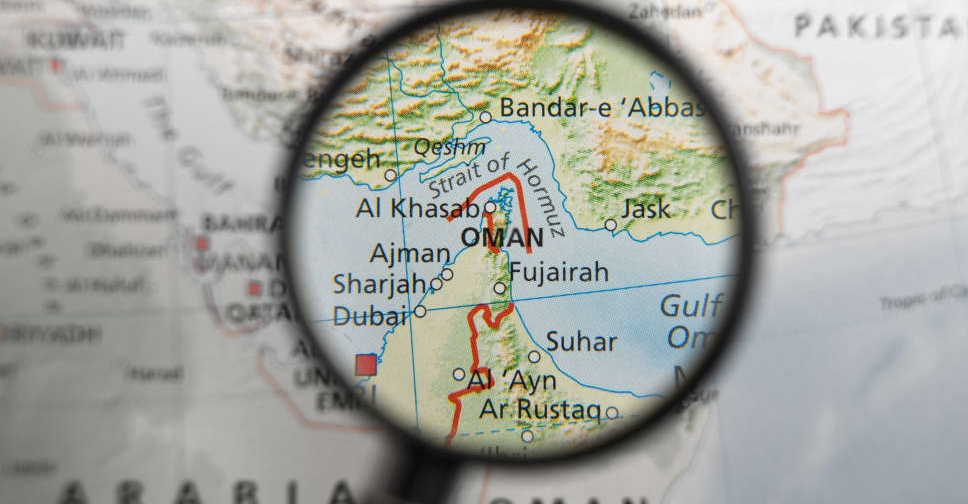
In a first, a Navy surface drone found and rescued two crew members from an Army Apache attack helicopter that went down in waters near Oman's coast, the US military told Reuters, and President Donald Trump said the pilots were 'fine'.
The US military's Central Command said the AH-64 Apache went down at around 3:00 AM local time on Tuesday (2300 GMT on Monday) near the coast of Oman while patrolling regional waters.
It gave no reason for the crash. The US and Iran have been in an uneasy ceasefire, with periodic clashes and Iranian drone and missile strikes on US regional allies.
The US military said the drone that carried out the rescue was a US Navy Corsair, which manufacturer Saronic says on its website is a 24-foot (7.3-meter) autonomous surface vessel (ASV) capable of carrying up to 1,000 lbs (454 kg) over 1,000 nautical miles.
"The drone picked them up and transported them to another location on the water where they were hoisted up to a helicopter for further transport," said Navy Captain Tim Hawkins, a Central Command spokesperson.
Hawkins said the drone was chosen for the mission due to its proximity and capability.
The US 5th Fleet’s Task Force 59, which operates in the region, is a dedicated unit for integrating unmanned systems and artificial intelligence with everyday maritime operations.
Speaking on the runway at John F. Kennedy International Airport before returning to Washington, Trump said there was nobody injured.
US Central Command used more cautious language to describe the condition of the two, saying they were in stable condition.
"The soldiers were safely rescued within approximately two hours and are in stable condition. The cause of the incident is under investigation," it said in a statement.

 US to resume flights after air traffic network failure sparks chaos
 US floated NATO-for-Donbas proposal in Ukraine talks, Zelenskyy says
 Trump, other Quad leaders to meet in Manila on Tuesday, sources say
 Modi's office summons telecom secretary over use of fake court orders
 UN climate chief urges speed as COP31 confronts fossil fuel divide


