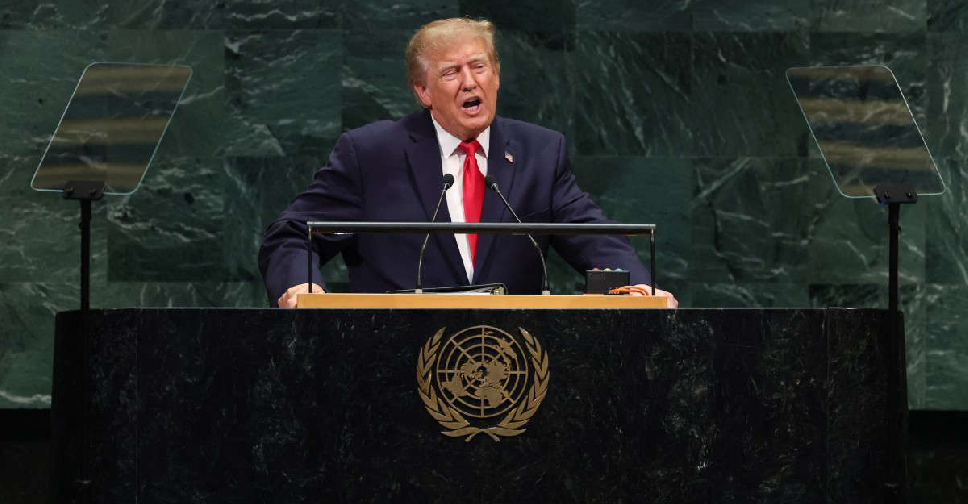
US President Donald Trump on Tuesday called for complete economic isolation of Iran, showing no intention to resume talks at the UN General Assembly but saying he believed a deal would be done after the US midterm elections in November.
Secretary of State Marco Rubio told NBC's "Today" show the US was open to speaking with the Iranians, "especially if it has the prospects of leading to something positive and ultimately achieving the goal of what this is all about".
But in a combative speech to the UN, Trump gave no sign of readiness to compromise. "I call on all nations to help to enforce the complete economic isolation of Iran," he said.
"I believe we'll make a deal right after the election because it doesn't make sense for them not to. They're waiting to see how I do in the midterm election."
No face-to-face meetings between Iran and the United States are known to have taken place since July, when an agreement on an interim deal to end the war collapsed weeks after it was signed.
Trump was due to meet on Tuesday with leaders of the six Gulf Arab states: Bahrain, Kuwait, Qatar, Oman, Saudi Arabia and the United Arab Emirates.
There was some relief on oil markets on Tuesday, after sources told Reuters that Saudi Arabia had restarted operations at its East-West Pipeline and could resume exports within hours, albeit at reduced volume, from the Red Sea port of Yanbu.
The pipeline, Saudi Arabia's main alternative route for exports to bypass wartime disruption in the Strait of Hormuz, had been shut down after attacks this month that Riyadh blamed on Iranian allies in Iraq.
The Houthis have driven back Saudi-supported government forces along the Red Sea and the Bab el-Mandeb Strait at its mouth, and have attacked Saudi Arabia directly with missiles and drones.
The New York Times reported that Trump called off US strikes against the Houthis on Sunday at the last minute, after troops had already begun loading bombs onto planes.
Asked why Washington had held back from striking the Houthis, Rubio said: "Ultimately, if it comes down to it, the United States will always stand with Saudi Arabia and support them because we have an agreement with them to do so.
"That said, that is a very dangerous and complex conflict that pre-exists ... We have a history with the Houthis as well, and that's something we don't want to see impacted either."

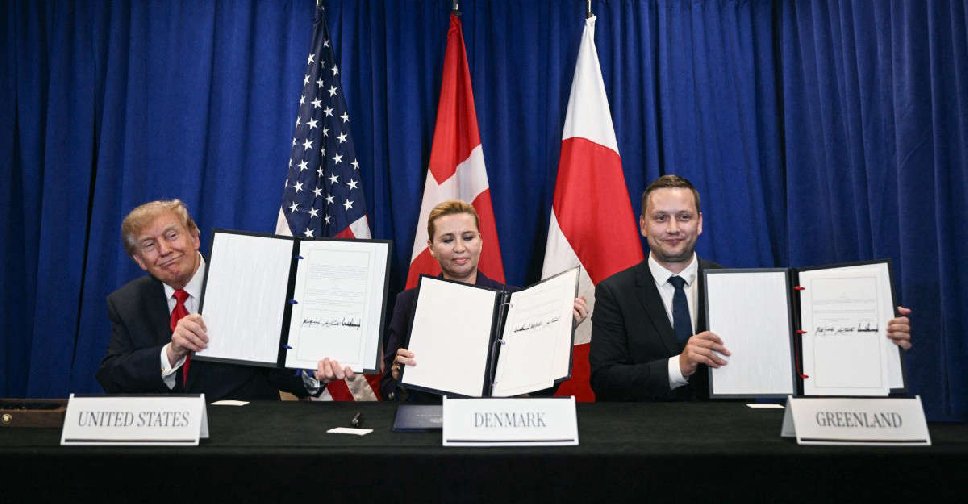 Trump, Greenland, Denmark sign deal in bid to end Arctic standoff
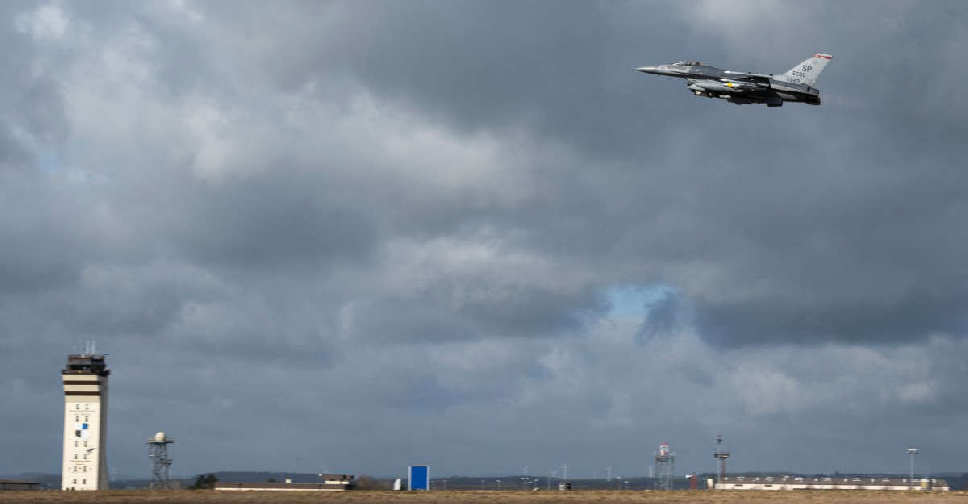 US F-16 fighter jet crashes in Germany
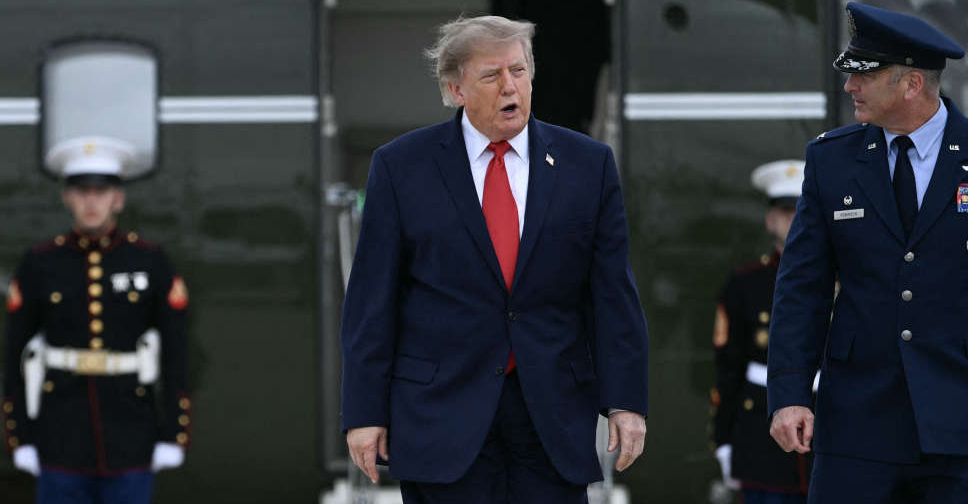 Trump set for whirlwind UN meetings with wars in Iran, Ukraine on agenda
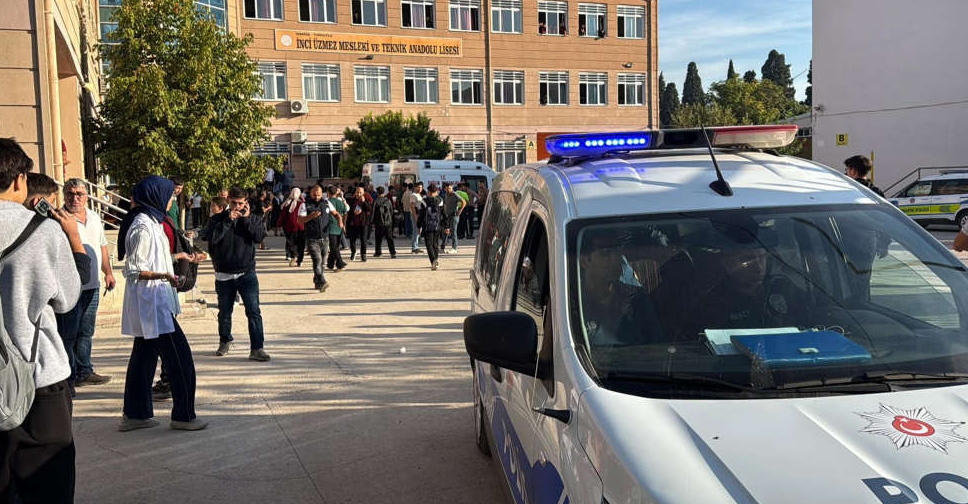 Student opens fire outside school in Turkey, 11 pupils wounded
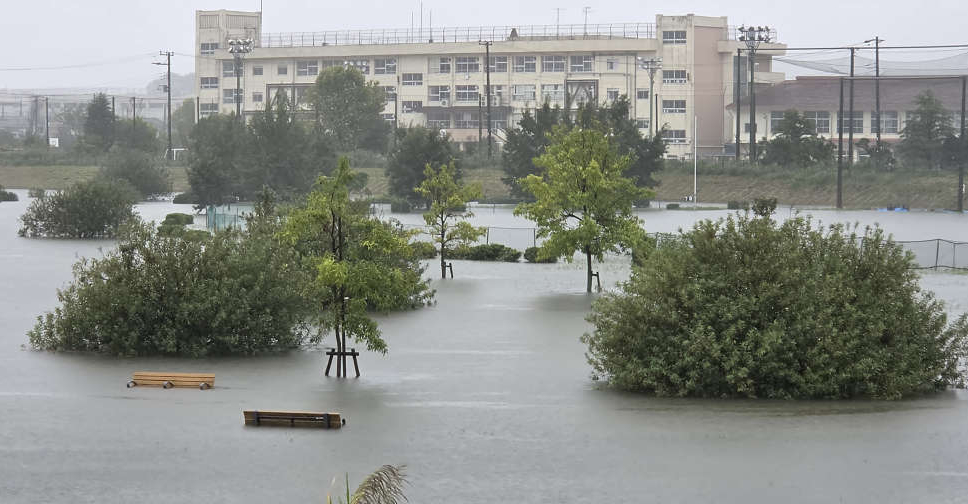 Torrential rains brought by Japan typhoon kill four, NHK says