

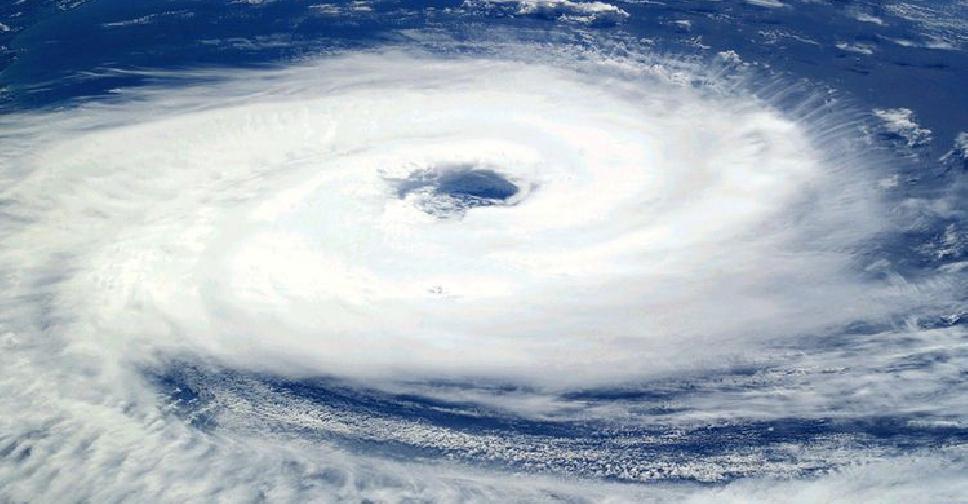
Severe tropical cyclone Narelle was losing strength on Friday after bringing destructive winds, heavy rain and power outages to Australia's northeast coast that prompted authorities to warn people to stay indoors.
Narelle was packing wind speeds reaching about 195 kph, authorities said, when it hit land in remote parts of the far north region of Queensland state as a category four system, a rung short of the strongest.
"There is a lot of rain in this system, and as it moves it will be hard and fast," Queensland Premier David Crisafulli told a press conference.
In an afternoon update, weather officials downgraded the storm to a category three tropical cyclone as it moved inland, but it was still set to disrupt weather conditions.
Impact had been minimal, with early reports of downed trees and some suggestions of structural damage, Crisafulli added.
Rescue teams, comprised of power crews, health workers and ambulances, were in position to join recovery efforts as needed.
Rio Tinto temporarily shut down two bauxite mines, Amrun and Andoom, and said it had activated cyclone response plans. The mines turn out about 30 million metric tons a year of the aluminium ore.
"We are focused on making sure our people are safe and our operations are secure," Rio said in a statement, adding that it was monitoring the situation, ready for necessary precautions.
South32 also paused operations at its Gemco manganese mine in the Northern Territory and moved non-essential personnel off site. Gemco, co-owned by Anglo American, is the world's largest manganese mine.
Narelle made landfall about 550 km north of Cairns, the gateway to the Great Barrier Reef tourist attraction.
With storm warnings across a 600-km stretch of coast, some residents evacuated to community centres before the cyclone hit.
"Emotions are running high, especially with no water and power but everyone is on alert," said Lucretia Huen, whose family is at the Wellbeing Centre in the rural town of Coen.
Water supplies had been cut, forcing people to rely on stocks of bottled water, Huen told broadcaster ABC News.
The Bureau of Meteorology said the cyclone was expected to weaken as it moves west across the Cape York Peninsula over the next 18 hours.

 Fire breaks out at Kuwaiti refinery after drone attacks
 UK says vaccine protects against strain in deadly meningitis outbreak
 More than 50 injured in fire at car parts factory in South Korea
 Four countries condemn Iranian attack on Ras Laffan in Qatar
 Trump compares Pearl Harbour to strikes on Iran in meeting Japan's leader