
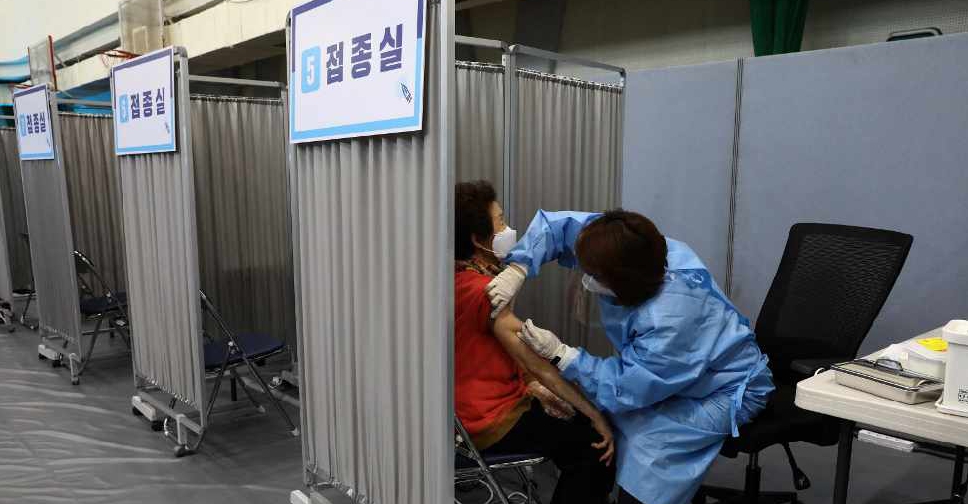
South Korean authorities said they will move ahead with a coronavirus vaccination drive this week, after deciding to continue using AstraZeneca PLC's vaccine for all eligible people aged 30 years or over.
People under 30 will still be excluded from the vaccinations resuming on Monday because the benefits of the shot do not outweigh the risks for that age group, the Korea Disease Control and Prevention Agency (KDCA) said in a statement.
Three vaccinated people in South Korea are reported to have developed blood clots, with one case determined to be correlated to the vaccine, Choi Eun-hwa, chair of the Korea Advisory Committee on Immunisation Practices, told a briefing.
That case was a type of blood clot considered less serious than the type being examined by European authorities, she said.
For most people, the risks of coronavirus are far worse than the rare possibility of side effects from the vaccines, Choi said, adding that the best way to end the pandemic was to vaccinate everyone who can receive it.
But she said, "the benefits are not as great for those under 30 years old, so we will not recommend the AstraZeneca vaccine for them."
It comes just days after the country suspended providing the AstraZeneca shot to people under 60 as Europe reviewed cases of blood clotting in adults.
The AstraZeneca shot’s benefit-to-risk ratio rises the older people get as the risk of serious harm due to vaccination falls and ICU admissions prevented by vaccination rise sharply, according to the University of Cambridge’s Winton Centre for Risk and Evidence Communication.
The drugmaker has said its studies have found no higher risk of clots because of its vaccine, millions of doses of which have been administered worldwide. The World Health Organisation has said the benefits outweigh the risks.
Global controversy over the efficacy and side-effects of some COVID-19 vaccines has caused some delays in South Korea’s vaccination campaign, which kicked off in late February with the goal of reaching herd immunity in November.
The second-quarter vaccination programme includes special disability school teachers and vulnerable groups, including people with disabilities and the homeless, the KDCA said.


 US, Iran and mediators make push for 45-day ceasefire
 US snatches airman from Iran as Trump, Israel ratchet up pressure
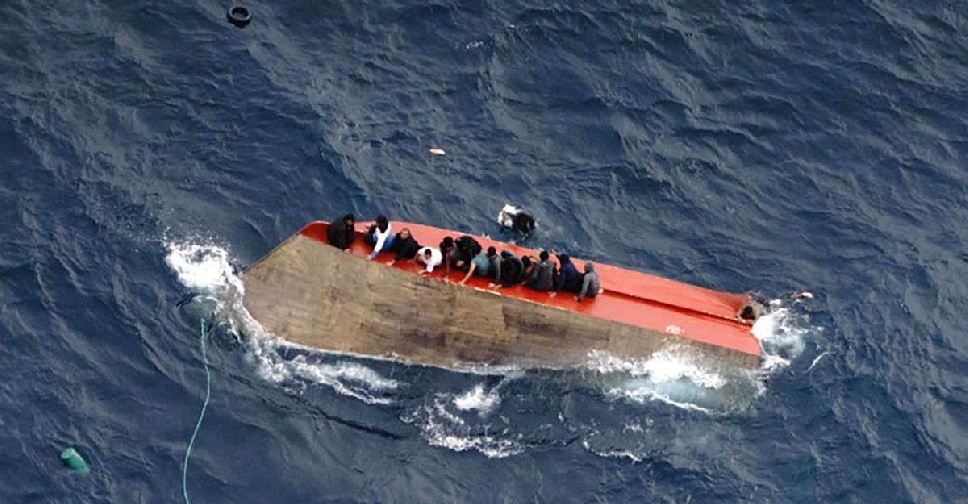 Ships near Italy rescue 32 migrants as 71 remain missing
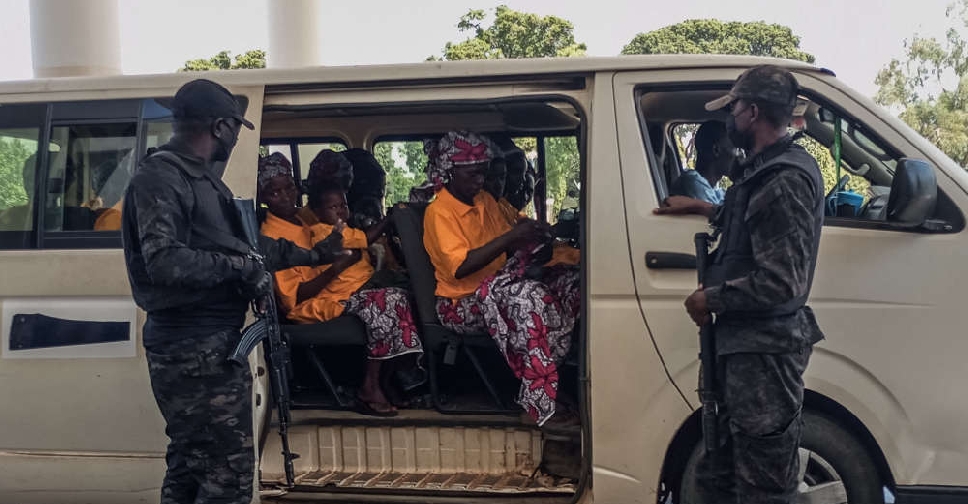 Nigerian army rescues 31 hostages after church attack
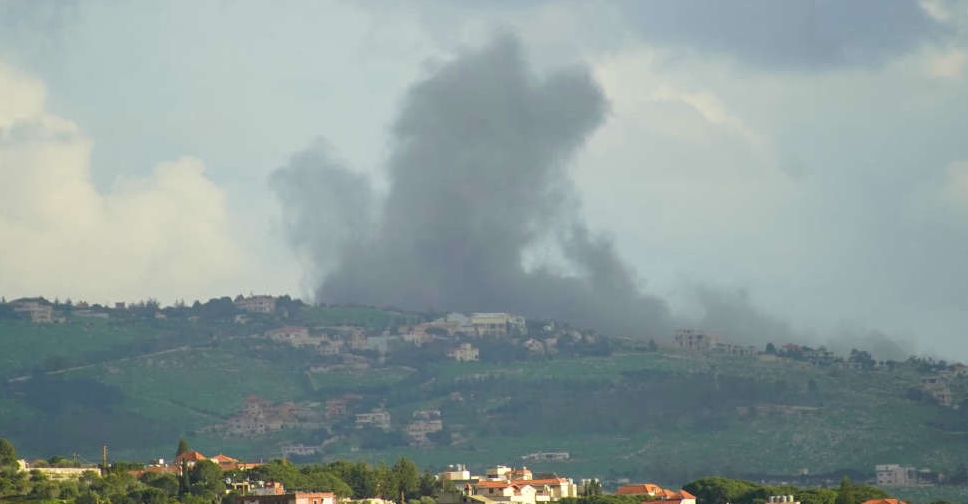 At least 11 killed in Israeli airstrikes in Lebanon