South African scientists have detected a new COVID-19 variant in small numbers and are working to understand its potential implications.
According to the National Institute for Communicable Diseases (NICD), 22 cases of variant B.1.1.529 had been recorded following genomic sequencing.
"Although the data are limited, our experts are working overtime with all the established surveillance systems to understand the new variant and what the potential implications could be," the statement quoted the NICD's Professor Adrian Puren as saying.
South Africa was the first country to detect the Beta variant last year.
Beta is one of only four labelled "of concern" by the World Health Organization because there is evidence that it is more transmissible and vaccines work less well against it.
The country detected another variant, C.1.2, earlier this year, but it has not displaced the more common Delta variant and still only accounts for a relatively small percentage of genomes sequenced.
An earthquake of magnitude 6.7 hit central Peru on Thursday, the United States Geological Survey said, although authorities reported no immediate casualties or damage.
At least 40 bodies, mostly of children, have been recovered after an overloaded boat capsized in Nigeria's northwest Sokoto state, local officials and residents said on Thursday.
Bangladeshi lawmakers elected veteran Bangladesh Nationalist Party (BNP) leader Mirza Fakhrul Islam Alamgir as the country's new president on Thursday, making the longtime opposition figure the head of state after his party came to power in a major political transition.
Russian strikes have killed 16 people and injured more than 40 in Kyiv and the surrounding region on Thursday as President Volodymyr Zelenskyy said a failure by Ukraine's allies to replenish its stock of air defence missiles was costing lives.
Prince Harry and his wife Meghan plan to move back to Britain this month, six years after they stepped down from their royal duties and relocated to the US, a source close to the couple said.





 Strong earthquake strikes central Peru
 Overloaded boat capsizes in Nigeria, at least 40 bodies recovered
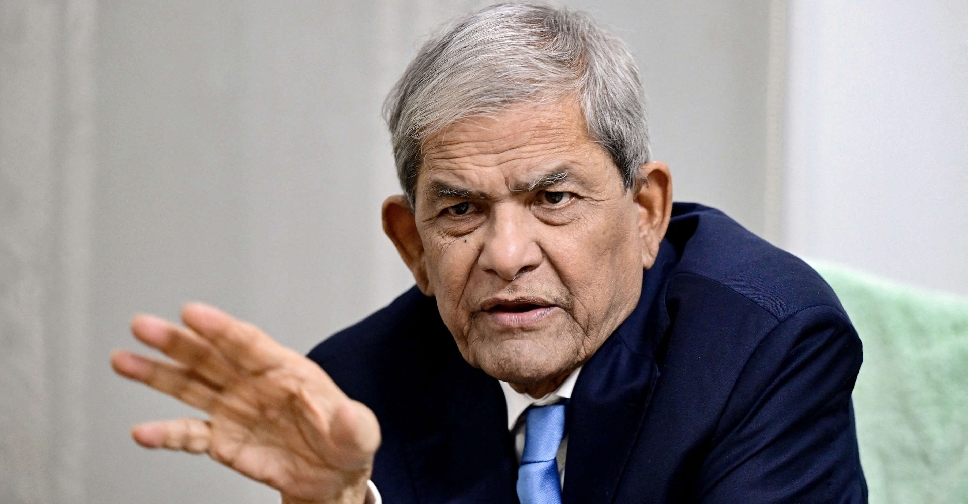 Bangladesh elects ruling party veteran Alamgir as president
 Russian strikes kill 16 in Ukraine's Kyiv
 Prince Harry and Meghan to move back to Britain