


Fearful residents in the Philippine province of Abra spent the night sleeping outdoors after a powerful earthquake struck the northern island of Luzon, killing four people and injuring more than 130.
Some people in the area said on Thursday they had been too scared to return to their homes, camping out instead with their families on sidewalks and in parks to ensure their safety.
The 7.1 magnitude quake rattled the northern Philippine island of Luzon on Wednesday morning, damaging homes and buildings, including heritage structures and centuries-old churches. Seismologists have since recorded close to 800 aftershocks.
Erlinda Bisares, a resident in Bangued town in Abra, which was just 11 km from the epicentre, said she and her family did not want to risk going back home.
"We were so scared," Bisares told CNN Philippines, recalling how the quake had shaken her home and furniture. "We didn't mind our belongings, we just hurried outside. Life is more important."
Mark Timbal, a spokesperson for the national disaster agency, told reporters the death toll from the quake had been revised down to four from five, but the number of injured had risen to more than 130.
Public Works Secretary Manuel Bonoan told DZBB radio clearing up operations were underway and his agency had started to remove debris from the main roads in Abra and in other districts affected by rockslides triggered by the quake.
Ricardo Jalad, administrator of the Office of the Civil Defense, told radio station DZRH some parts of Abra were still without power or water and experiencing communication outages.
The budget ministry said authorities were ready to release funds for disaster relief.


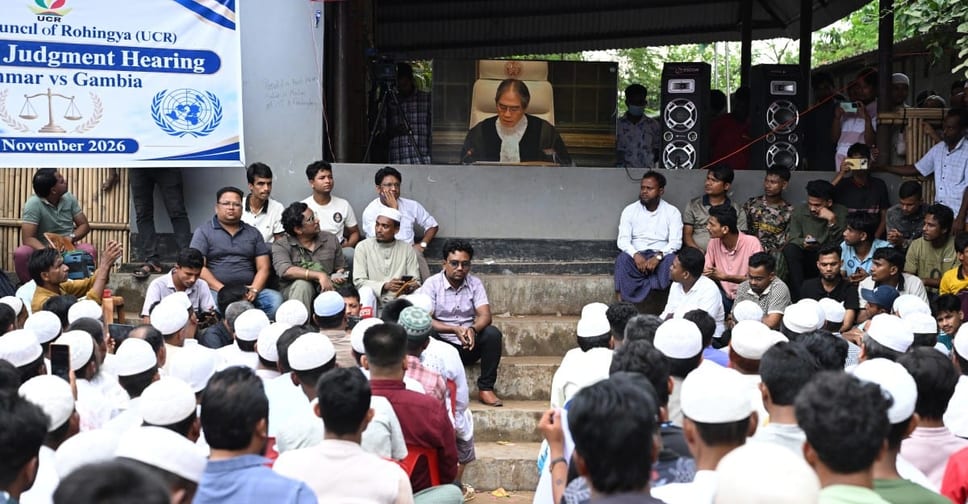 Top UN court finds Myanmar committed genocide against Rohingya minority
 China and Russia release 'peace declaration' after Trump, Xi, Putin meeting
 Denmark ratifies Trump deal over Greenland
 Saudi coalition reports damage after Houthi missile threat towards Riyadh
 More than 47,000 evacuated in India ahead of Cyclone Akvan