

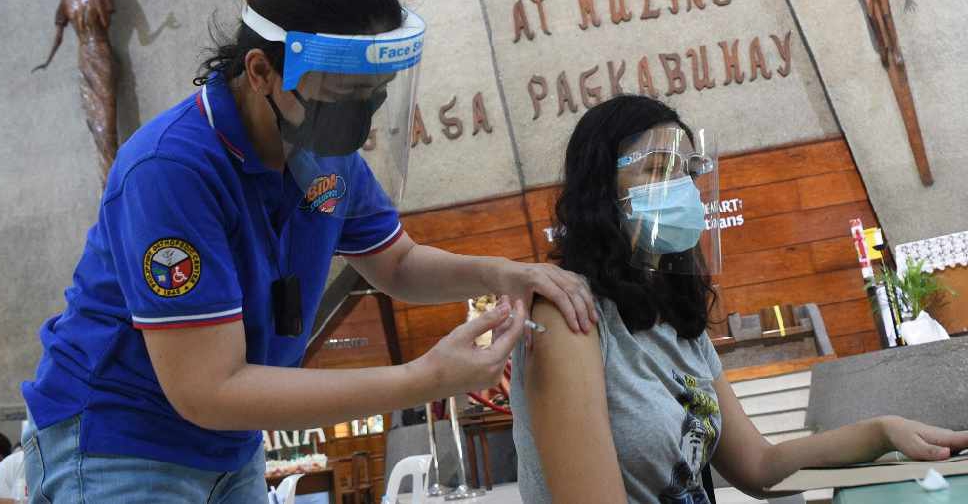
The Philippines will open up its vaccination drive this week to include around 35 million people working outside their homes, such as public transport staff, in a bid to help curb COVID-19 transmission and to open up the economy.
The next phase in the rollout that started in March comes after vaccines were initially targeted at health care workers, senior citizens and people with existing health conditions.
Presidential spokesman Harry Roque said those eligible to join the new phase, which includes workers in the informal sector, will be able to register from Wednesday, with the country expecting more vaccines to arrive in the second half.
The Philippines has so far received more than nine million doses, mostly supplied by China's Sinovac Biotech, but has a long way to go to meet its goal of immunising 70 million people this year out of a population of 110 million.
The country is also lagging behind some neighbours, with only 4.4 million people having received their first dose and more than 1.5 million two shots so far.
Opening the vaccination campaign to more people will allow the "process of reopening (the economy) to continue," Trade Secretary Ramon Lopez told the same media briefing.
"This is a shot in the arm needed by our economic frontliners and our economy so the signs of recovery will continue."
In order to help shore up confidence in the vaccine programme and tackle vaccine hesitancy, local celebrities were among 50 people vaccinated in an inoculation ceremony on Monday.
The Philippines, which is battling one of the worst COVID-19 outbreaks in Asia, has reported 1.27 million infections and almost 22,000 deaths, with some provinces outside the capital region emerging as new hotspots for COVID-19.


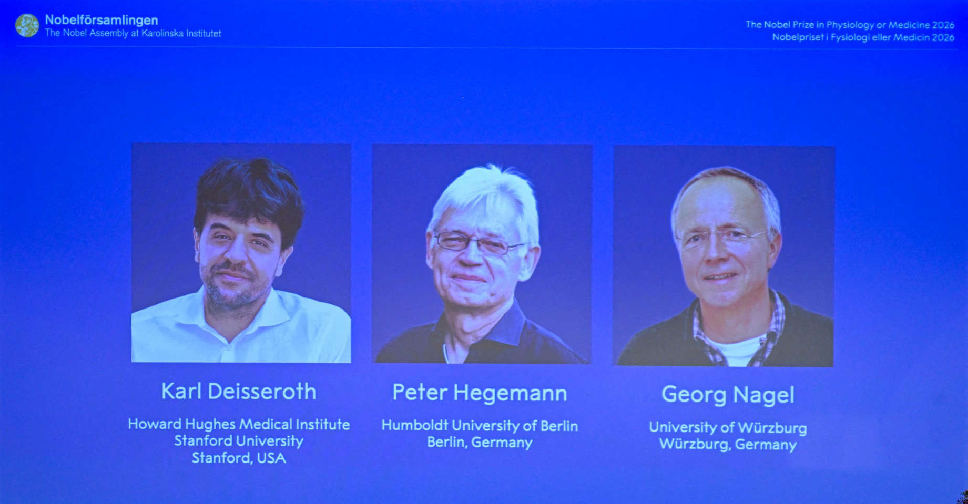 US, German scientists win Nobel medicine prize for work on light and brain
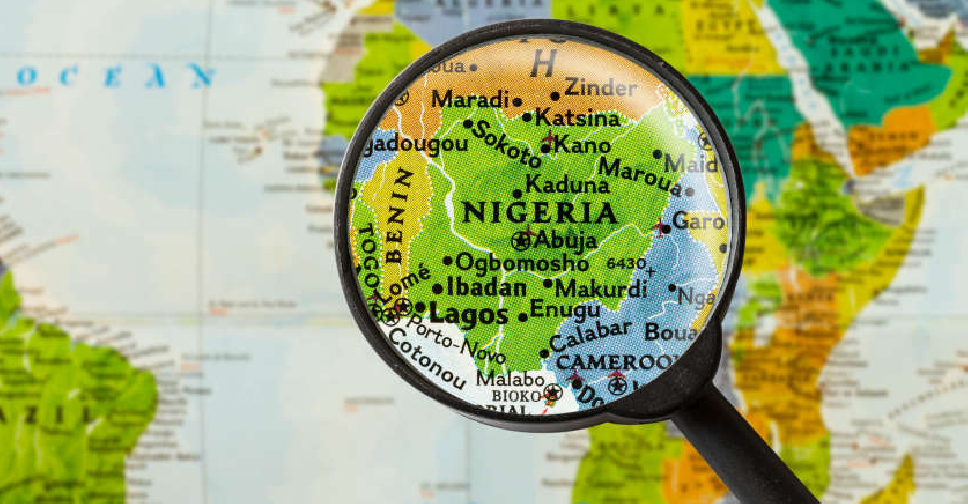 Nigeria military aircraft crashes with 32 aboard
 At least 22 dead after boats collide on Congo river
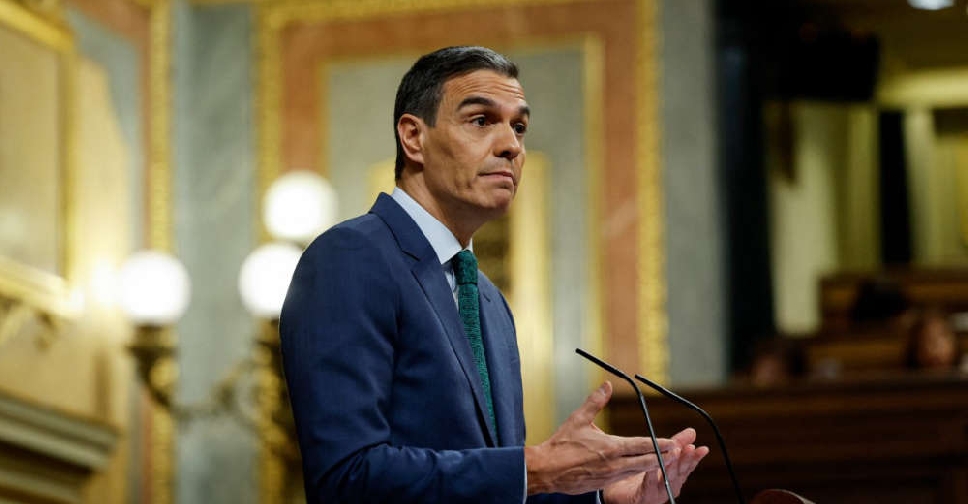 Spanish PM Sanchez calls snap election for November 29
 Hundreds of French schools stay closed ahead of nationwide day of student protests