The COVID-19 vaccine developed by Pfizer and BioNTech was able to neutralise a new variant of the coronavirus spreading rapidly in Brazil.
That's according to a laboratory study published in the New England Journal of Medicine, which showed that patients who received a second dose of the COVID-19 vaccine showed stronger antibody protection.
The study, conducted by scientists from the companies and the University of Texas Medical Branch, looked at blood samples from 15 volunteers in Pfizer’s phase 3 clinical trial of its vaccine.
Their samples were then exposed to an engineered version of the virus that contained the same mutations carried on the spike portion of the highly contagious P.1 variant.
Further examination found that the antibodies were successful at neutralising the viral mutations.
In previously published studies, Pfizer had found that its vaccine neutralised other more contagious variants first identified in the United Kingdom and South Africa, although the South African variant may reduce protective antibodies elicited by the vaccine.
Pfizer has said it believes its current vaccine is highly likely to still protect against the South African variant. However, the drugmaker is planning to test a third booster dose of their vaccine as well as a version retooled specifically to combat the variant in order to better understand the immune response.
MS NOW, CNN and Politico said on Monday they were suing the Trump Administration to protect their First Amendment rights after President Donald Trump's announcement that he would ban the news outlets from the White House's building grounds.
Pakistani airstrikes killed at least three people in Afghanistan on Monday, Afghan officials said, in action that could reignite tensions between the neighbours after nearly three months of relative calm.
Flights at several British airports were delayed on Monday due to an air traffic control failure, Britain's NATS air traffic control provider said, less than two weeks after a separate issue halted flights across the country.
A fire that broke out at a textile factory in the Chinese city of Foshan in southern Guangdong province on Sunday killed eight people and injured one, state media said on Monday.
A powerful typhoon was approaching Japan's Pacific coast on Monday, bringing torrential rain, violent winds, and a heightened risk of landslides across the Kanto region and other parts of eastern Japan, the weather agency said.





 MS NOW, CNN and Politico to sue over White House ban
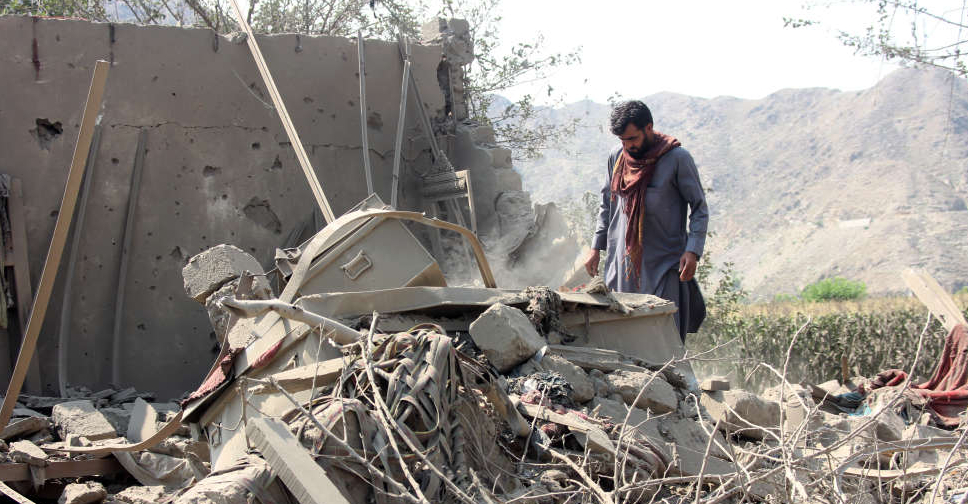 Afghanistan says Pakistani airstrikes kill at least three
 New air traffic control failure delays flights at UK airports
 Textile factory fire in southern Chinese city of Foshan kills 8
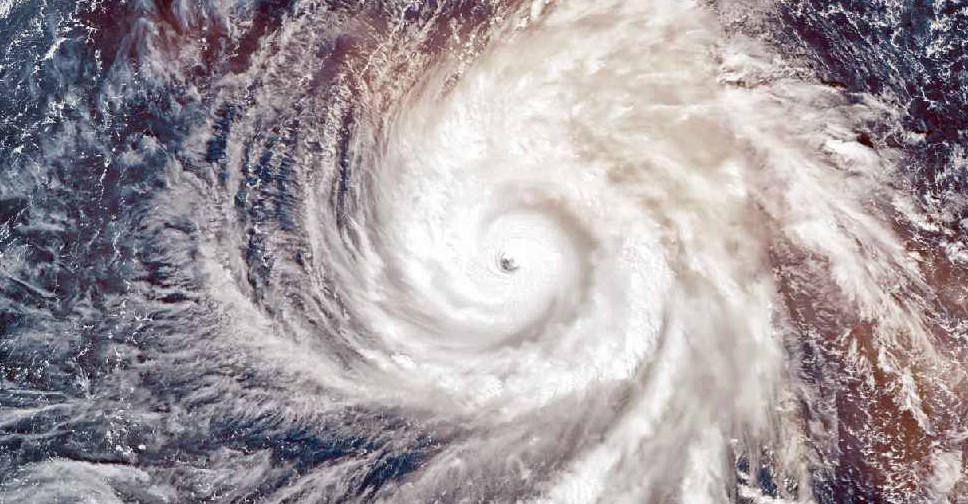 Typhoon approaches eastern Japan, prompts flood and landslide warnings