


Pakistan's Shehbaz Sharif took the oath on Monday to officially become prime minister for a second time, nearly four weeks after an uncertain national election caused delays in the formation of a coalition government.
Sharif, 72, officially took up office at a swearing-in ceremony at the presidential office in the nation's capital, Islamabad, a day after parliament elected him prime minister despite protests from lawmakers aligned with jailed former premier Imran Khan.
Sharif wore a black traditional sherwani in the ceremony, broadcast live on state TV and attended by civil, military, bureaucracy and other dignities.
The February 8 election was marred by a mobile internet shutdown, arrests and violence in its build-up and the unusually delayed results triggered accusations that the vote was rigged.
Candidates backed by Khan gained the most seats but the Pakistan Muslim League-Nawaz (PML-N) and the Pakistan People's Party (PPP) agreed to form a coalition government. The PML-N is spearheaded by Shehbaz Sharif's elder brother, three-time premier Nawaz Sharif, but he decided not to take the prime minister's post.
The younger Sharif returns to the role he previously held until August, when parliament was dissolved to prepare for the election.
Economists, investors and foreign capitals would now be watching closely for an announcement by Sharif on the cabinet, especially the important finance portfolio. The next finance minister will have to immediately undertake tough talks with the International Monetary Fund to get a new multi-billion dollar funding agreement, with the current one expiring in April.
Former four-time finance minister Ishaq Dar remains the top contender, PML-N sources have told Reuters, though several other candidates were being seriously considered.

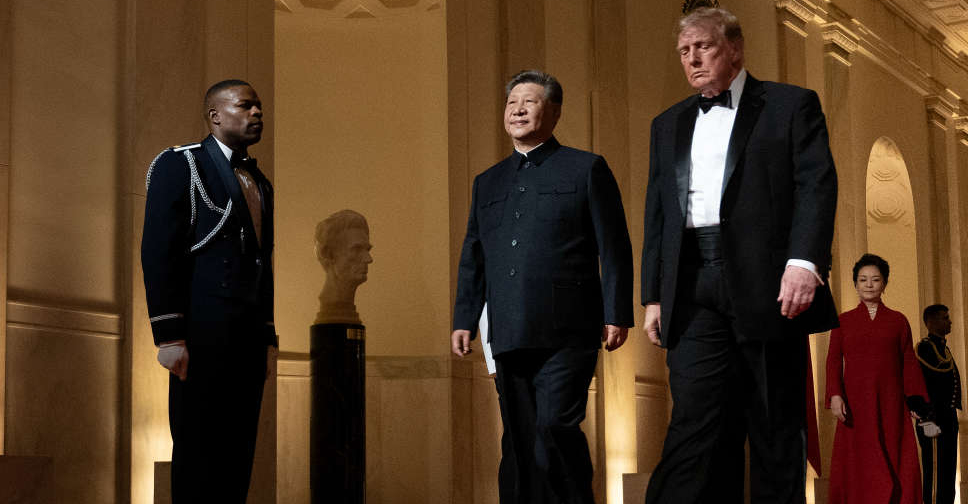 Trump to wrap up Xi summit with a tour of US archives
 France to send military to protect Saudi Arabia, Macron says
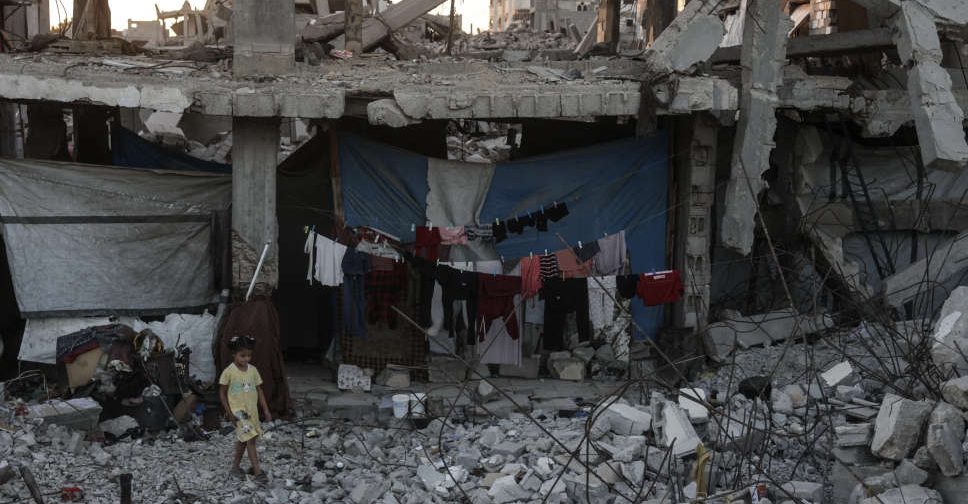 Gaza facing world's worst economic crisis, says UNCTAD
 At UN, Netanyahu defends Israel as delegates walk out
 Trump welcomes Xi to Washington looking for a trade win