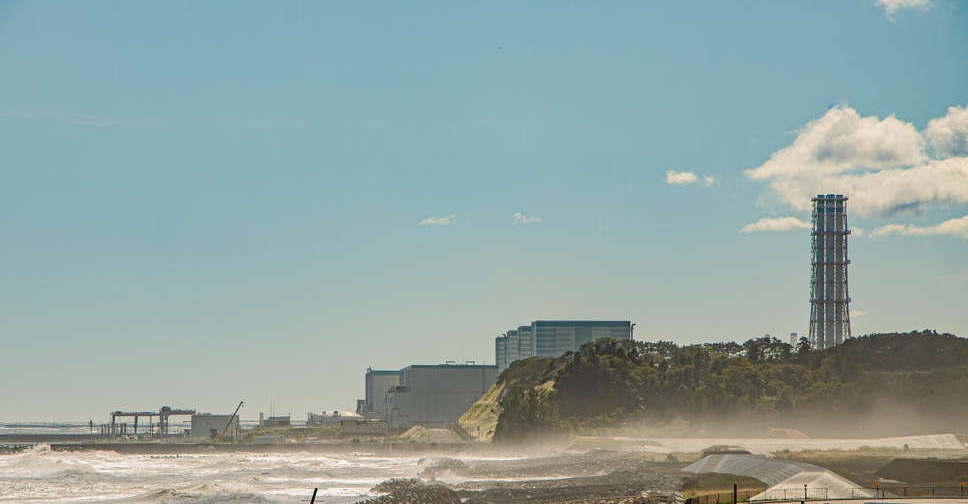
Japan's fisheries agency said on Saturday fish tested in waters around the wrecked Fukushima nuclear plant did not contain detectable levels of the radioactive isotope tritium, Kyodo news service reported.
Nets were set up on Thursday when plant operator Tokyo Electric Power Company (Tepco) 9501.T began releasing treated radioactive water into the Pacific, angering fishermen and many others in Japan, alarming consumers in neighbouring countries and prompting China to ban Japanese aquatic products.
The agency plans to announce test results daily. Tepco said on Friday seawater near the plant contained less than 10 becquerels of tritium per litre, below its self-imposed limit of 700 becquerels and far below the World Health Organization's limit of 10,000 becquerels for drinking water.
Calls to the fisheries agency for comment were not answered on Saturday.
After a lengthy debate, the government of Prime Minister Fumio Kishida decided on Tuesday to allow the release of 1.3 million tons of treated water from the Fukushima plant, destroyed by a 2011 tsunami because Tepco was running out of storage space.
The utility filters most radioactive elements out of the water but dilutes tritium, an isotope of hydrogen, which is difficult to separate from water.
President Donald Trump said the US was considering "winding down" its military operation against Iran, as Iran and Israel traded attacks on Saturday and Iranian media said the nuclear enrichment facility in Natanz had been attacked.
Robert Mueller, the no-nonsense former FBI chief who documented Russia's interference in the 2016 US election and its contacts with Donald Trump's campaign but opted not to bring criminal charges against a sitting president, has died at age 81.
Fourteen people died and 25 were seriously injured in a fire at a car parts factory in the South Korean city of Daejeon, fire authorities said on Saturday.
Russian attacks on Ukraine killed two people in Zaporizhzhia and left most of the northern region of Chernihiv without power on Saturday, Ukrainian officials said.



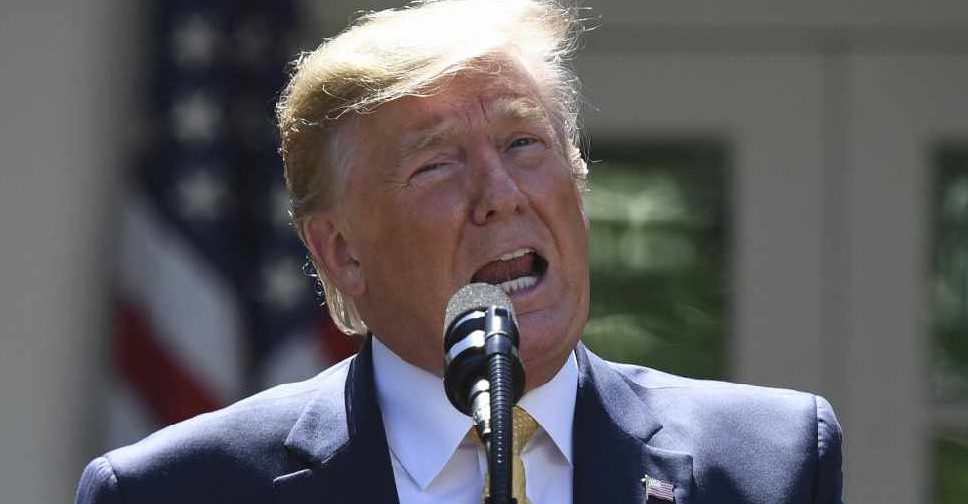 Trump says US considering 'winding down' Iran war; Natanz nuclear facility attacked
 Former FBI chief Robert Mueller dies aged 81
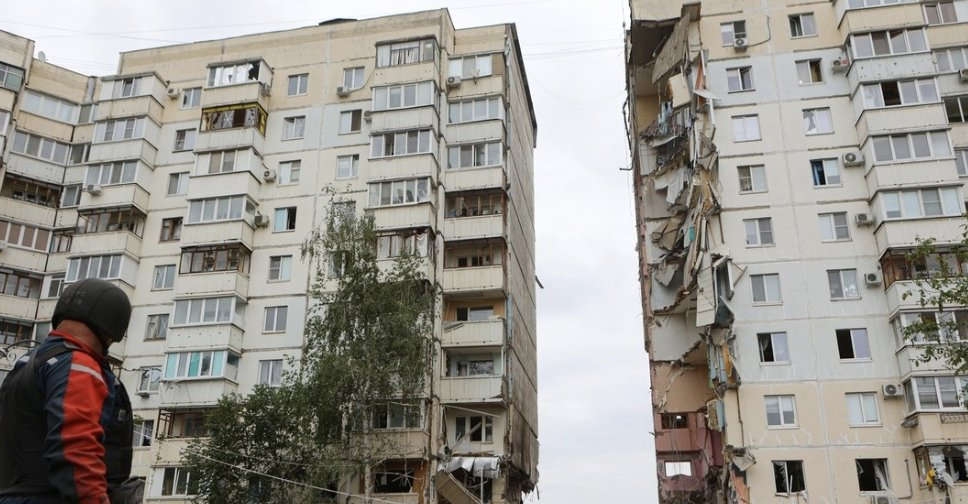 Ukrainian shelling kills four in Russia's Belgorod, governor says
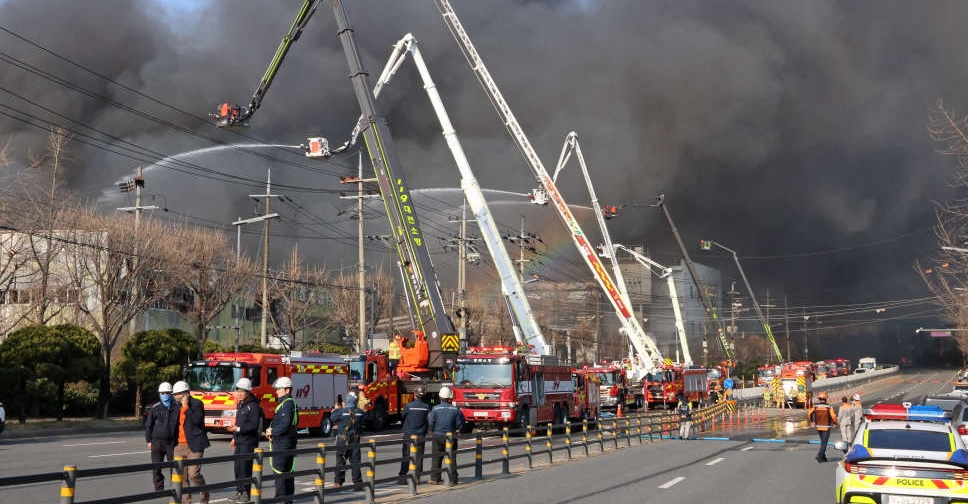 Fire at Korean car parts factory kills 14, injures 60
 Ukraine says Russian attacks leave two dead, thousands without power