
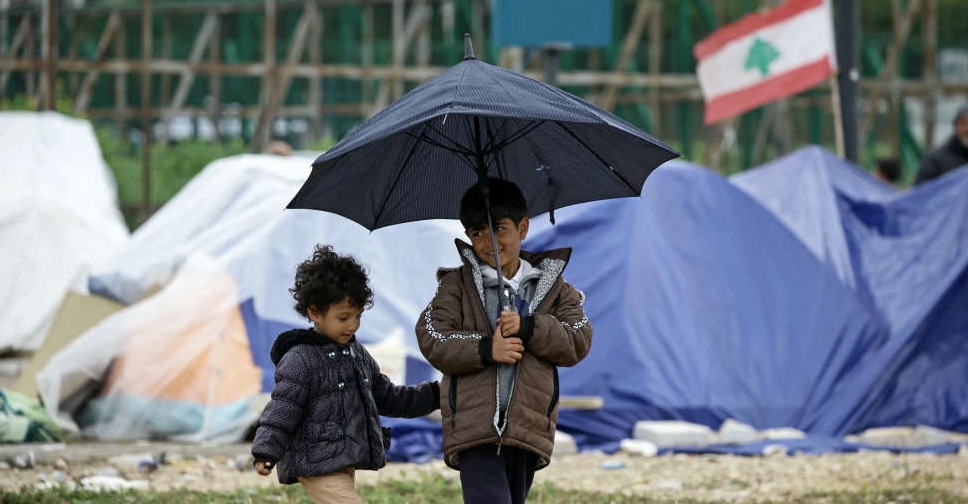
More than 370,000 children have been forced from their homes in Lebanon in just three weeks, as intensified Israeli strikes and mass evacuation orders trigger one of the fastest and largest population displacements in the country's history, UN officials said on Friday.
Israel has launched heavy air strikes and a ground assault on Lebanon in parallel with the war in Iran, after Hezbollah fighters fired into Israel on March 2. Israeli forces have told Lebanese to leave their homes across around 15 per cent of the country including the entire south.
UNICEF's country representative Marcoluigi Corsi said the scale of displacement was "staggering", with 19,000 children uprooted daily, many for the second or third time since previous escalations just 15 months ago.
"The mental and emotional exhaustion weighing on the children of Lebanon is just devastating," Corsi said remotely from Beirut. "There is no safe place for people to go."
At least 121 children have been killed and 399 injured since the latest escalation began, according to UNICEF.
Many civilians now face cramped and unsafe living conditions in more than 660 collective shelters, mostly schools.
The use of schools as shelters has interrupted education for more than 150,000 students, refugee agency UNHCR's Lebanon representative Karolina Lindholm Billing said.
Displaced women and girls are facing heightened risks of exploitation and gender-based violence, with over 85 per cent living outside formal shelters, often in overcrowded or informal settings, said Gielan El Messiri of UN Women.
Destruction of key bridges in the south has left about 150,000 people isolated and out of reach of humanitarian convoys, UNHCR said, adding that some relief movements have been denied permission due to security risks.
Essential infrastructure, including hospitals, water stations and schools, has been damaged or destroyed, cutting off tens of thousands from safe water and basic services, Corsi said.
The Lebanese Red Cross and other agencies are providing emergency health, shelter, and food assistance, but face immense strain as needs surge and staff themselves are affected by displacement and insecurity, a spokesperson for the International Federation of Red Cross and Red Crescent Societies (IFRC) on Lebanon said.
The strikes had hit areas previously designated as shelters and evacuation orders were often issued at night, the UN officials said.

 Trump extends deadline for striking Iran's energy plants to April 7
 UN rights chief urges US to conclude probe into deadly Iran school strike
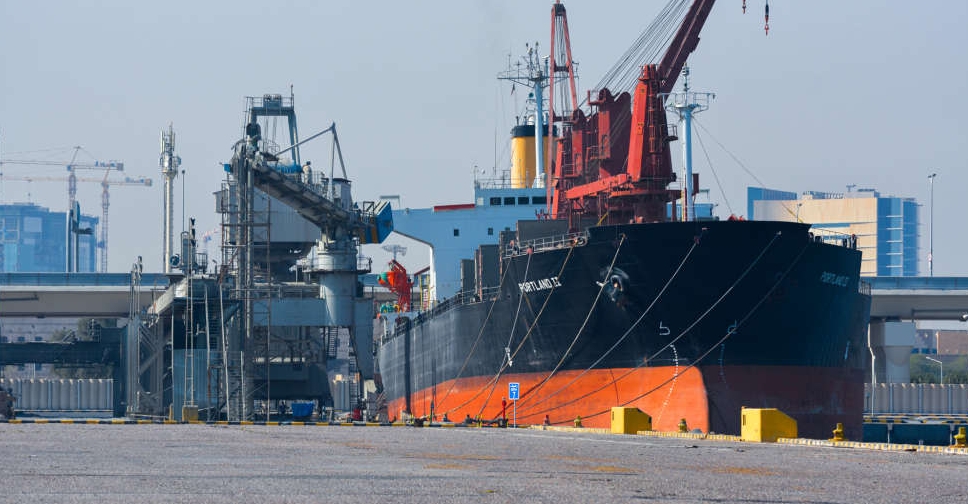 No injuries reported as Kuwait Shuwaikh Port comes under drone attack
 IRGC-linked cells targeting Bahrain referred to Criminal Court
 Austria plans social media ban for children under 14