

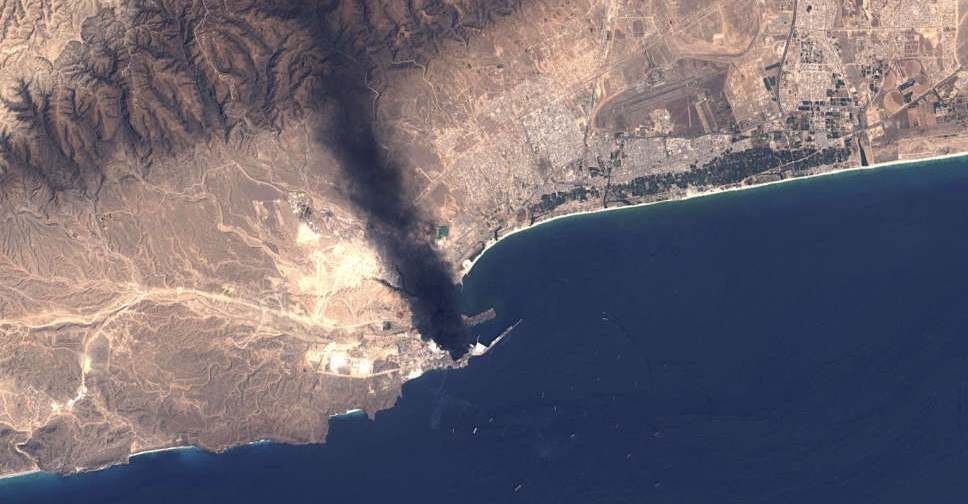
Israel claimed on Tuesday to have killed Iran's security chief, while a senior Iranian official said the new supreme leader had rejected de-escalation offers conveyed by intermediaries.
The senior official, who asked not to be identified, said two intermediary countries had conveyed proposals to Iran's Foreign Ministry for "reducing tensions or ceasefire with the United States".The official did not give further details of the proposals or the intermediaries.
Ayatollah Mojtaba Khamenei, who had held his first foreign policy session since being named supreme leader, had responded that it was not "the right time for peace until the United States and Israel...accept defeat, and pay compensation", the official said.
He did not clarify whether Khamenei had attended the meeting in person or remotely.
The US-Israeli war on Iran is now in its third week, with at least 2,000 people killed and no end in sight.
The Strait of Hormuz remains largely closed off and US allies have rebuffed US President Donald Trump's calls for them to help to reopen the vital waterway, through which about 20 per cent of global oil and liquefied natural gas flows.
ISRAEL TARGETS IRAN'S SECURITY OFFICIALS
Israel's defence minister Israel Katz said on Tuesday Israeli forces had killed Iran's security chief Ali Larijani as well as Gholamreza Soleimani who led the volunteer Basij.
There was no immediate response from Tehran to Katz's remarks. Iranian state media published a handwritten note by Larijani commemorating Iranian sailors killed in a US attack whose funeral was expected on Tuesday.
There was no let-up in attacks by both sides early on Tuesday, with Iran launching missiles on Israel overnight, underscoring that Tehran retains the capacity to carry out long-range strikes despite more than two weeks of pounding by US and Israeli weapons.
Iran has responded by attacking its Gulf neighbours, which Trump has said was unexpected.
Gulf Arab states, including the UAE, have faced more than 2,000 missile and drone attacks since the start of war on Iran on February 28, striking US diplomatic missions and military bases as well as oil infrastructure, ports, airports, ships and residential and commercial buildings.
Oil prices jumped about 4 per cent on Tuesday and stock futures slipped as investors fretted about a renewed spike in inflation as the conflict drags on.
NOBODY READY TO PUT THEIR 'PEOPLE IN HARM'S WAY'
Trump has called on allies to provide military assistance to reopen the Strait of Hormuz to ease the global economic impact, but so far his demands have been rebuffed.
In an interview with Reuters on Tuesday, European Union foreign policy chief Kaja Kallas said diplomatic ways have to be found in order to keep the strait open.
"Nobody is ready to put their people in harm's way in the Strait of Hormuz. We have to find diplomatic ways to keep this open so that we don't have a food crisis, fertilizers crisis, energy crisis as well," Kallas said.

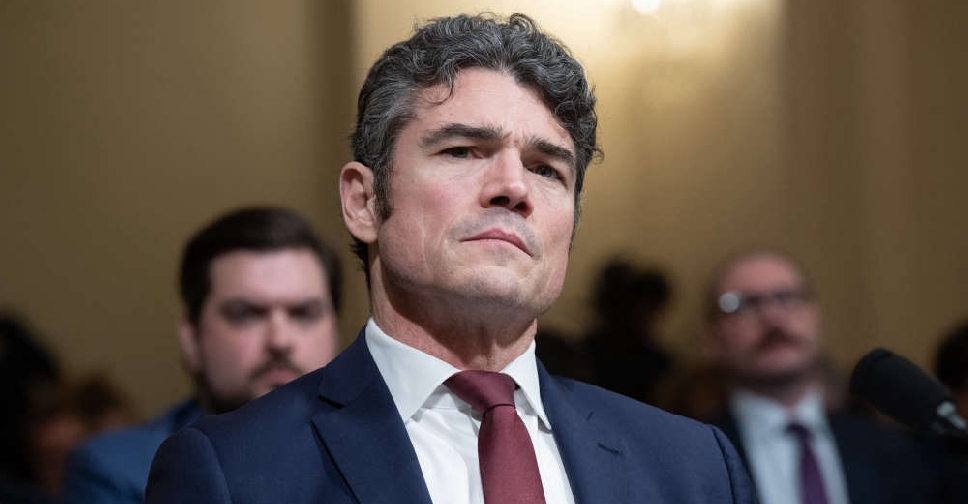 US National Counterterrorism Center director resigns over war in Iran
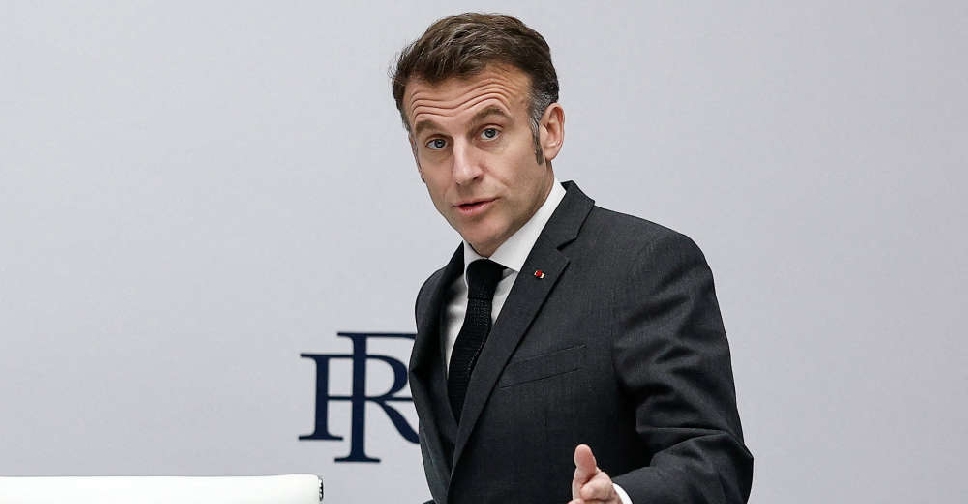 France will never take part in operations to unblock Hormuz Strait, says Macron
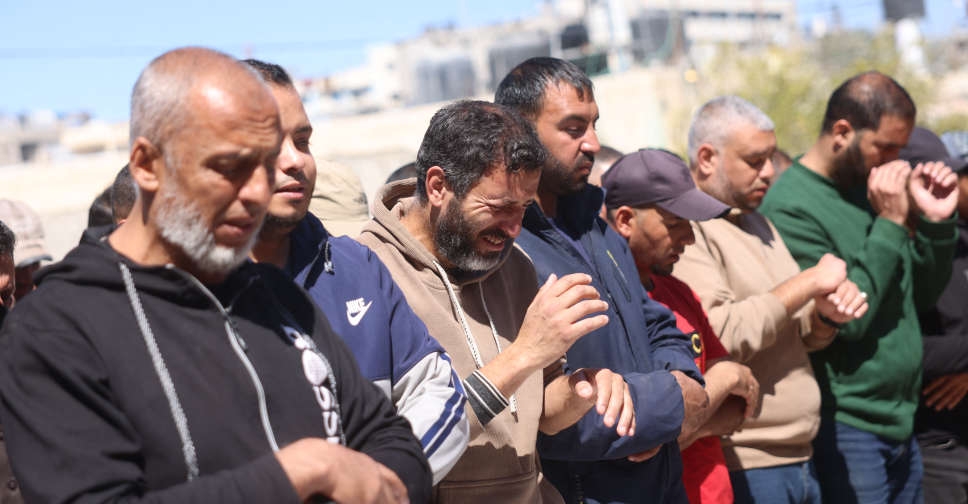 Israeli strike kills three people in Gaza as Iran war strains truce
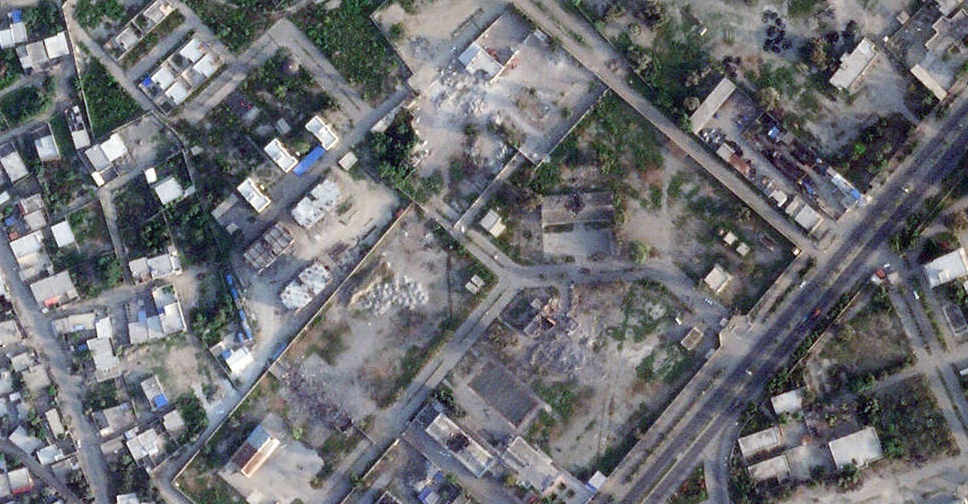 UN body investigating fatal strike on Iranian girls school
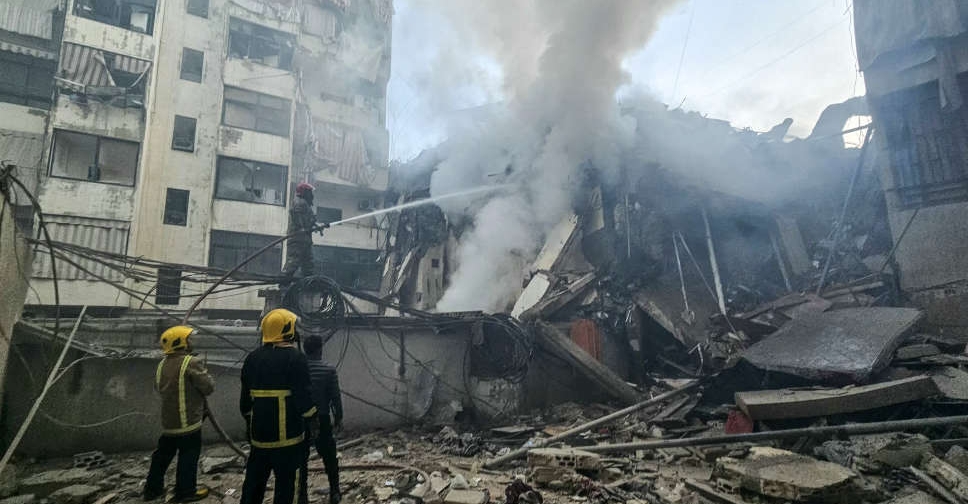 Civilians pay heavy price as war in Lebanon drives death, displacement, UN says