

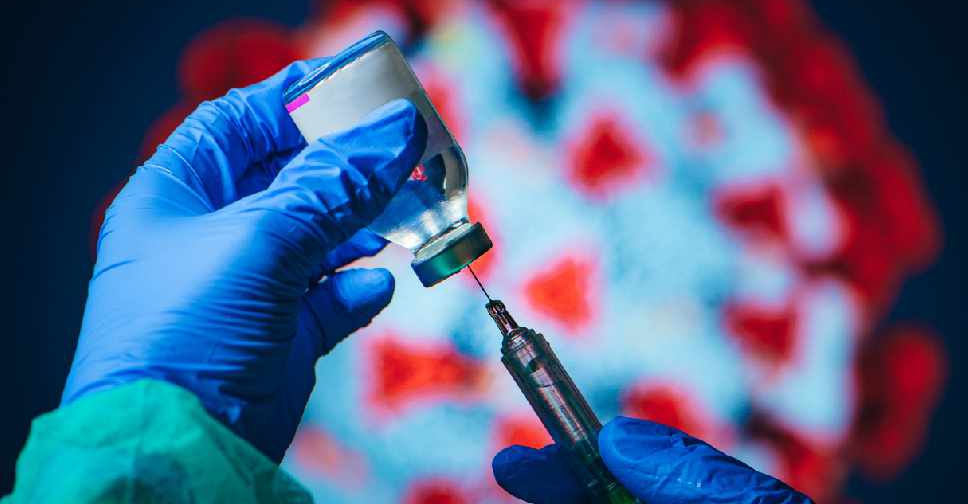
Indonesia launched one of the world's biggest COVID-19 vaccination campaigns on Wednesday with President Joko Widodo getting the first shot of a Chinese vaccine as his country fights one of the worst coronavirus outbreaks in Asia.
The drive aims to inoculate 181.5 million people, with the first to be vaccinated receiving the CoronaVac vaccine from China's Sinovac Biotech, which Indonesia authorised for emergency use on Monday.
Dressed in a white shirt and wearing a mask, the president, who is known as Jokowi, got his shot at the presidential palace.
"Vaccination is important to break the chain of COVID-19 transmission and give protection to us and safety to every Indonesian and help accelerate economic recovery," Jokowi said after getting his injection.
Some other officials being vaccinated showed off their shot marks to waiting journalists and flexed their arms.
Minister of Health Budi Gunadi Sadikin has said nearly 1.5 million medical workers would be inoculated by February, followed by public servants and the general population within 15 months.
Unlike many countries, Indonesia intends to inoculate its working population first, rather than the elderly, partly because it does not have enough data from clinical trials on CoronaVac's efficacy on older people.
Indonesia on Tuesday reported a daily record 302 coronavirus deaths, taking fatalities to 24,645. Its infections are at their peak, averaging more than 9,000 a day, with 846,765 total cases.
Indonesia's stocks have risen in the last few days, helped by the launch of vaccinations, with the main index opening up around 0.7% on Wednesday.
"Vaccinations contributed a fairly positive market sentiment," said Hans Kwee, director at investment manager Anugerah Mega Investama.


 Omani court sentences two tourists for sitting on nesting turtles
 US Coast Guard suspends search for people on crashed medical aircraft
 Brazil's Flavio Bolsonaro beats polls in presidential vote, faces Lula in runoff
 Merz unveils fresh military aid in Kyiv, says Germany won't be intimidated
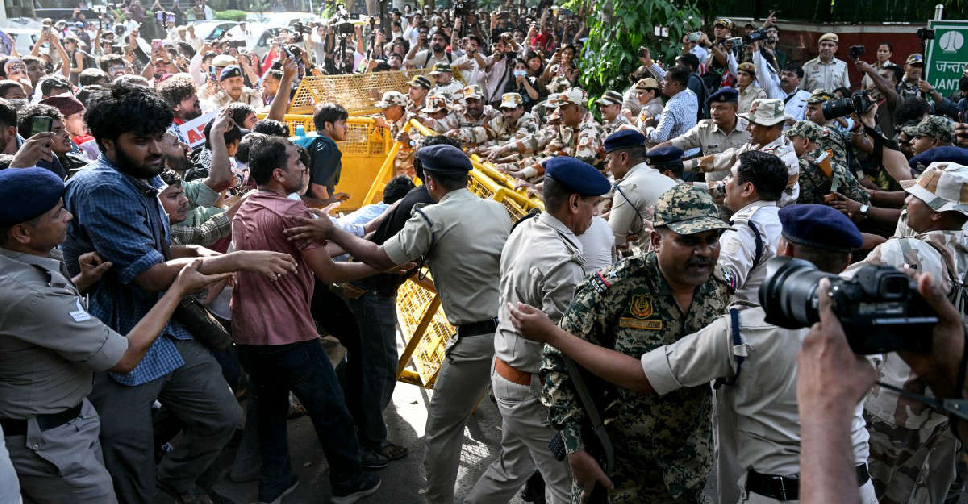 Protests demanding Indian election chief resigns escalate