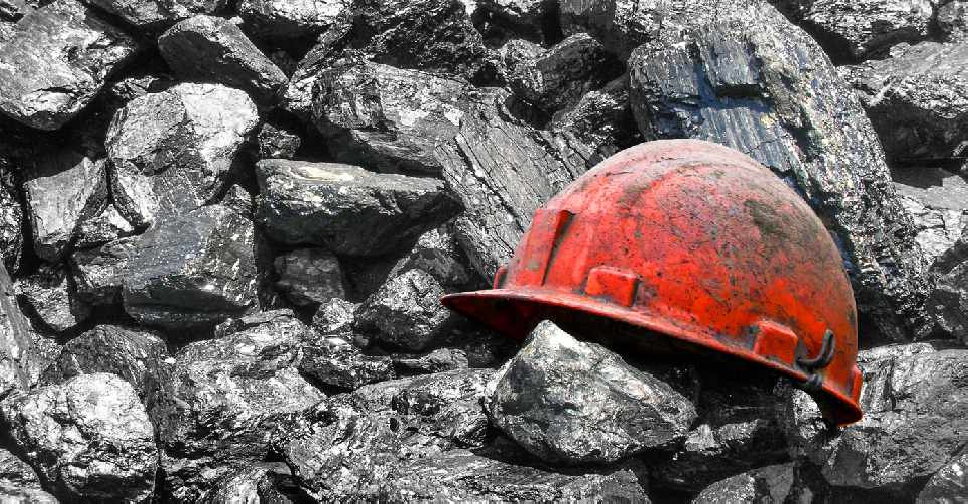
A mine shaft collapse during an illegal mining operation in China's southwestern Yunnan province killed five people and injured one, state media reported, days after the country's deadliest mining accident since 2009 left at least 82 dead.
The incident occurred around 4:30 am on Sunday (2030 GMT on Saturday) in Yunnan's Huize County, state news agency Xinhua reported, citing local authorities. The report did not specify what mineral was being mined.
There was only one survivor out of six people rescued from the site and sent to hospital, Xinhua said, and the person was in stable condition.
Authorities have launched an investigation into the cause of the incident, which follows the May 22 deadly gas explosion at a coal mine in the northern Shanxi province. Apart from the 82 people killed, two remain missing and 128 were injured.
Chinese authorities have vowed a thorough investigation into the Shanxi disaster, as preliminary findings uncovered unmarked tunnels, missing trackers and fake doors at the mining site.
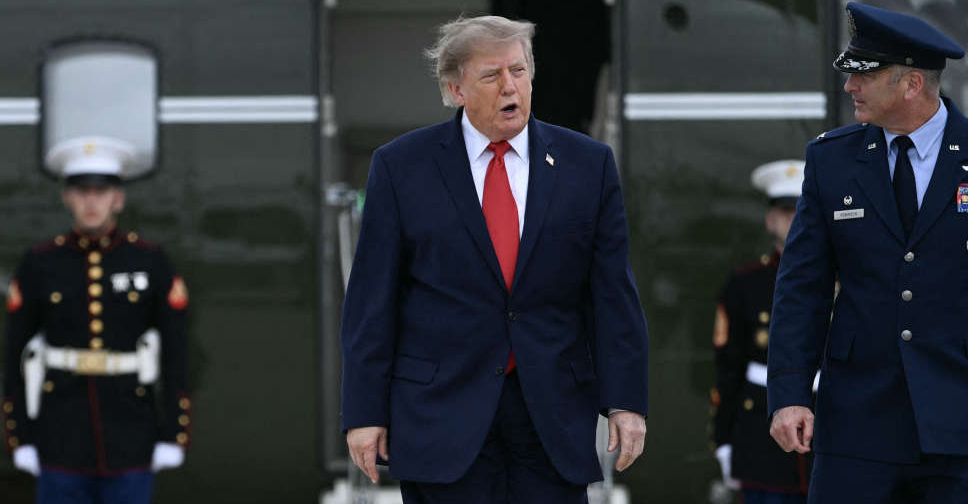
Donald Trump is set for a whirlwind schedule of meetings with leaders from four continents at the UN General Assembly on Tuesday, against the backdrop of the wars in Ukraine and Iran that show no signs of abating.
At least five people, including students, were wounded when an attacker opened fire in front of a high school in the western Turkish province of Manisa on Tuesday, broadcaster NTV and the local governor's office said.
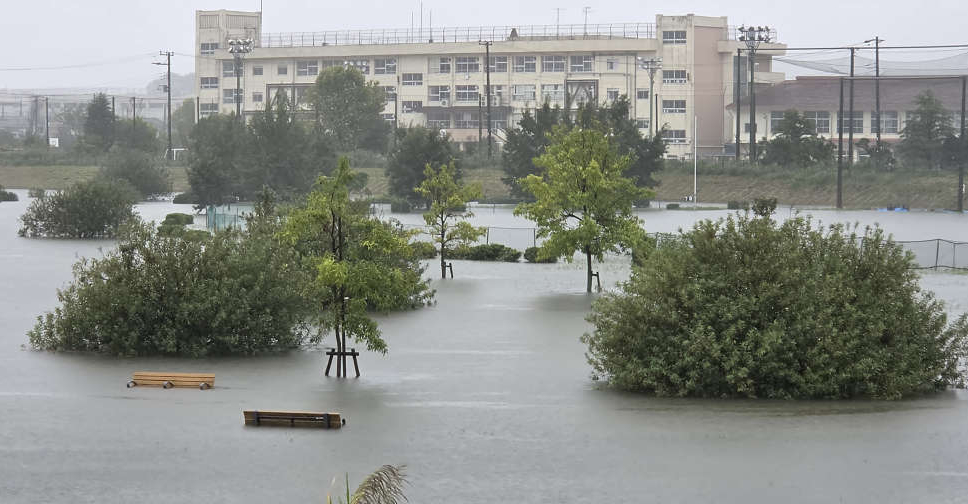
Torrential rains brought by a powerful typhoon lashing Japan's Pacific coast caused landslides that killed four people with six missing, public broadcaster NHK said on Tuesday, while snapping electricity supply to about 45,000 homes.
Thousands of flights across the US were disrupted on Monday, with incoming flights halted for hours at major East Coast airports, before the Federal Aviation Administration resolved a telecommunications problem late in the afternoon.
British Prime Minister Andy Burnham said on Monday he had agreed to a request from Saudi Arabia to provide defensive air-to-air refuelling for a limited time period, a move he described as helping to stabilise the wider region.


 Trump set for whirlwind UN meetings with wars in Iran, Ukraine on agenda
 At least 5 injured in shooting outside Turkey school
 Torrential rains brought by Japan typhoon kill four, NHK says
 Thousands of US flights halted before telecom problem resolved
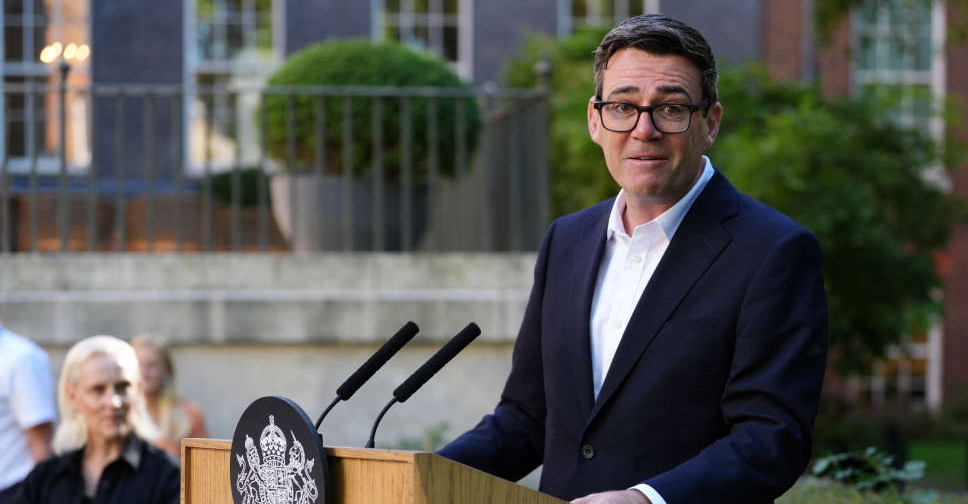 UK's Burnham agrees to Saudi request for refuelling support