

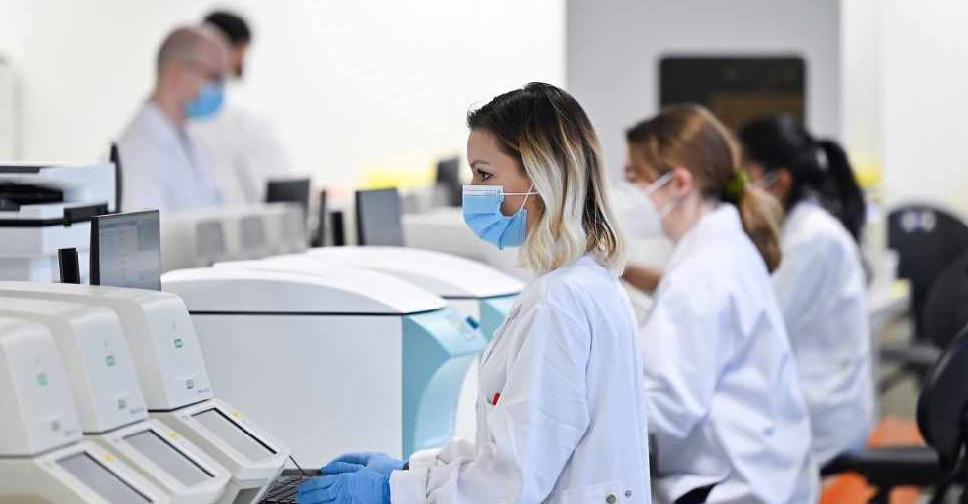
Global coronavirus cases surpassed 100 million on Wednesday, according to a Reuters tally, as countries around the world struggle with new virus variants and vaccine shortfalls.
Almost 1.3 per cent of the world's population has now been infected with COVID-19, the disease caused by the novel coronavirus, and more than 2.1 million people have died.
One person has been infected every 7.7 seconds, on average, since the start of the year. Around 668,250 cases have been reported each day over the same period, and the global fatality rate stands at 2.15 per cent.
The worst-affected countries – the United States, India, Brazil, Russia and the United Kingdom – make up more than half all reported COVID-19 cases but represent 28 per cent of the global population, according to a Reuters analysis.
It took the world 11 months to record the first 50 million cases of the pandemic, compared to just three months for cases to double to 100 million.
Around 56 countries have begun vaccinating people for the coronavirus, administering at least 64 million doses. Israel leads the world on per capita vaccinations, inoculating 29 per cent of its population with at least one dose.
UNITED STATES
With over 25 million cases, the United States has 25 per cent of all reported COVID cases although it accounts for just 4 per cent of the world's population. The US leads the world in the daily average number of new deaths reported, accounting for one in every five deaths reported worldwide each day. With just under 425,00 fatalities, the US has reported almost twice as many deaths as Brazil, which has the second-highest death toll in the world.
As the worst-affected region in the world, Europe is currently reporting a million new infections about every four days and has reported nearly 30 million since the pandemic began. Britain on Tuesday reached 100,000 deaths.
The Eastern European region, including countries like Russia, Poland and Ukraine, contribute to nearly 10 per cent of all global COVID-19 cases.
Despite securing deals for vaccine supplies early on, many European countries are facing delays in shipments from both Pfizer Inc and AstraZeneca Plc
ASIA AND AFRICA
In India, the nation with the second-highest number of cases, infections are decreasing, with almost 13,700 new infections reported on average each day - around 15 per cent of its peak. Prime Minister Narendra Modi said India was completely self-reliant on coronavirus vaccine supplies as the world's second-most populous country inoculated more than 1 million people within a week of starting its campaign.
China, which recently marked the first anniversary of the world's first coronavirus lockdown in the central city of Wuhan, is facing its worst wave of local cases since March last year.
As richer nations race ahead with mass vaccination campaigns, Africa is still scrambling to secure supplies as it grapples with concerns about more-infectious variants of the virus first identified in South Africa and Britain.
According to the Reuters tally, African countries have nearly 3.5 million cases and over 85,000 deaths.
The South African variant, also known as 501Y.V2, is 50 per cent more infectious and has been detected in at least 20 countries.
US President Joe Biden will impose a ban on most non-US citizens entering the country who have recently been in South Africa starting Saturday in a bid to contain the spread of a new variant of COVID-19.
Australia and New Zealand have fared better than most other developed economies during the pandemic through swift border closures, lockdowns, strict hotel quarantine for travellers and widespread testing and social distancing.
"We have the virus under control here in Australia, but we want to roll out the vaccine," Australian Treasurer Josh Frydenberg told a news conference on Sunday.


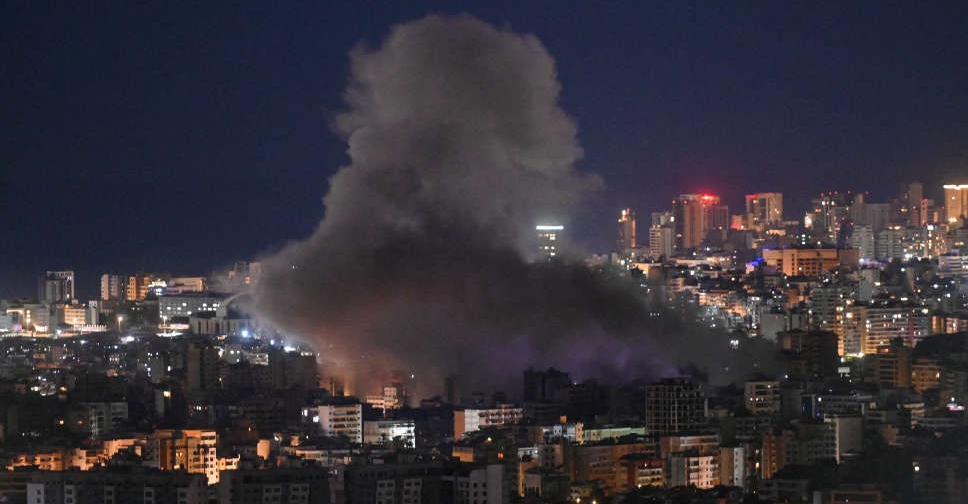 72 killed in Israeli attacks on Lebanon as it warns residents to leave south
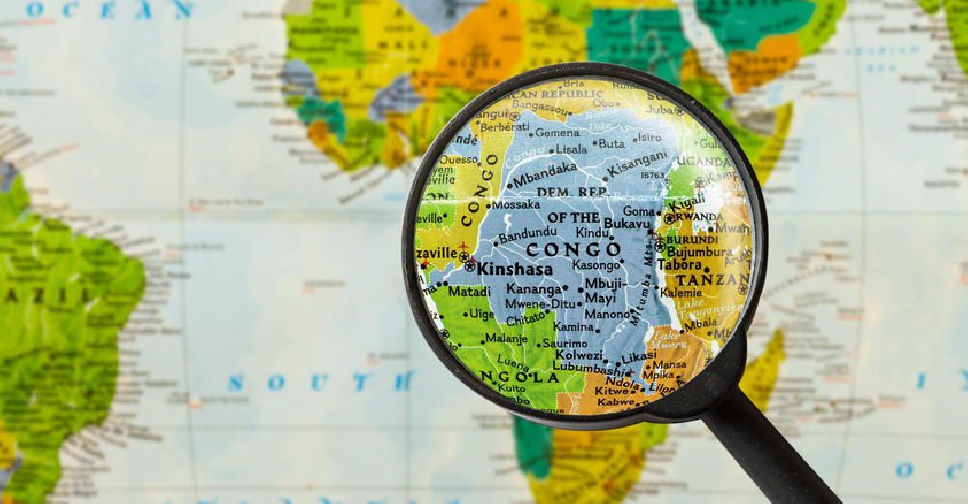 Landslide kills over 200 people at Congo's Rubaya mine
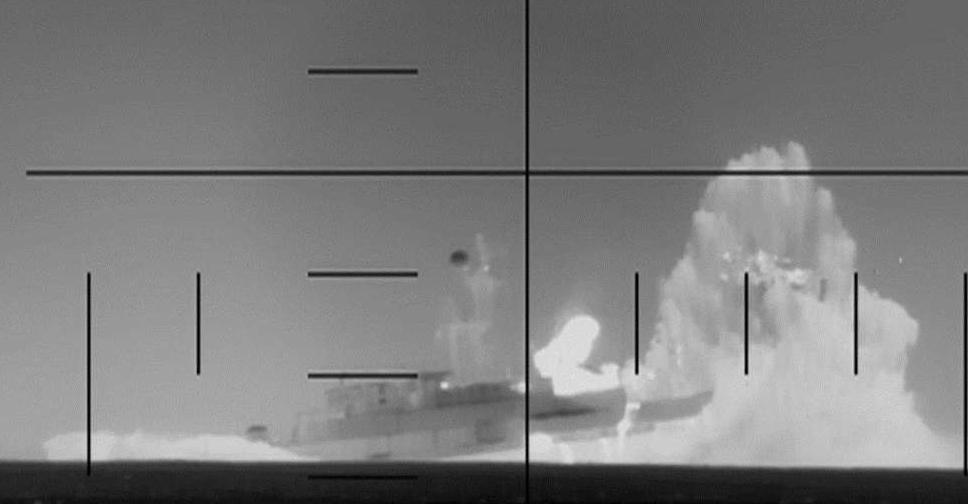 80 people killed after US sinks Iranian warship
 Emergency GCC-EU meeting to discuss Iranian aggression
 Omani navy rescues cargo ship crew after missile strike