
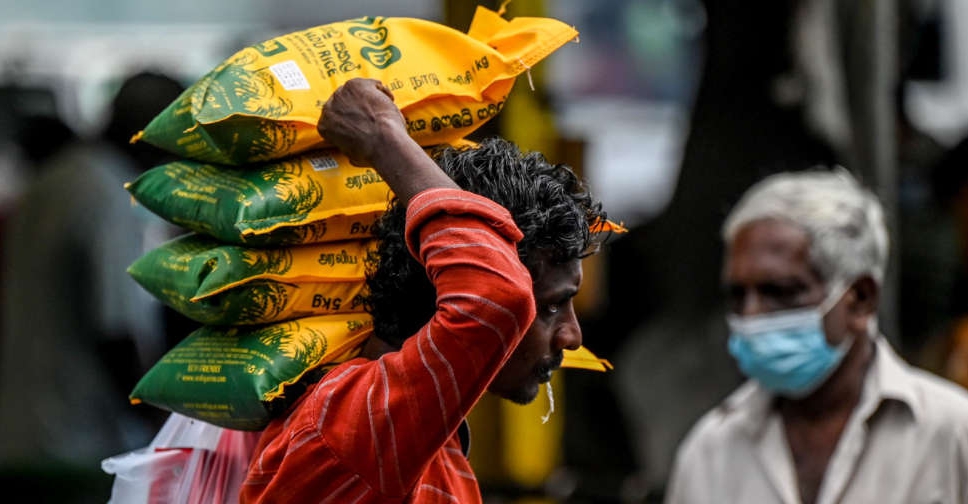
Sri Lanka's prime minister has warned of a food shortage as the island nation battles a devastating economic crisis and vowed the government will buy enough fertiliser for the next planting season to boost harvests.
A decision in April last year by President Gotabaya Rajapaksa to ban all chemical fertilisers drastically cut crop yields and although the government has reversed the ban, no substantial imports have yet taken place.
"While there may not be time to obtain fertiliser for this Yala (May-August) season, steps are being taken to ensure adequate stocks for the Maha (September-March) season," Prime Minister Ranil Wickremesinghe said in a message on Twitter late on Thursday.
"I sincerely urge everyone to accept the gravity of the...situation."
Rajapaksa appointed nine new members to the cabinet on Friday, including to the critical health, trade and tourism ministries, but he did not name a finance minister and the portfolio is likely to be retained by Wickremesinghe.
Tourism-dependent Sri Lanka is facing a dire shortage of foreign exchange, fuel and medicines, and economic activity has slowed to a crawl.
The central bank governor said on Thursday foreign exchange had been secured from a World Bank loan and remittances to pay for fuel and cooking gas shipments, but supplies are still to flow through.
Inflation could rise to a staggering 40% in the next couple of months but it was being driven largely by supply-side pressures and measures by the bank and government were already reining in demand-side inflation, the governor said.
Inflation hit 29.8 per cent in April with food prices up 46.6 per cent year-on-year.


 Debris from intercepted Houthi missiles injure 4, damage 15 homes in Riyadh
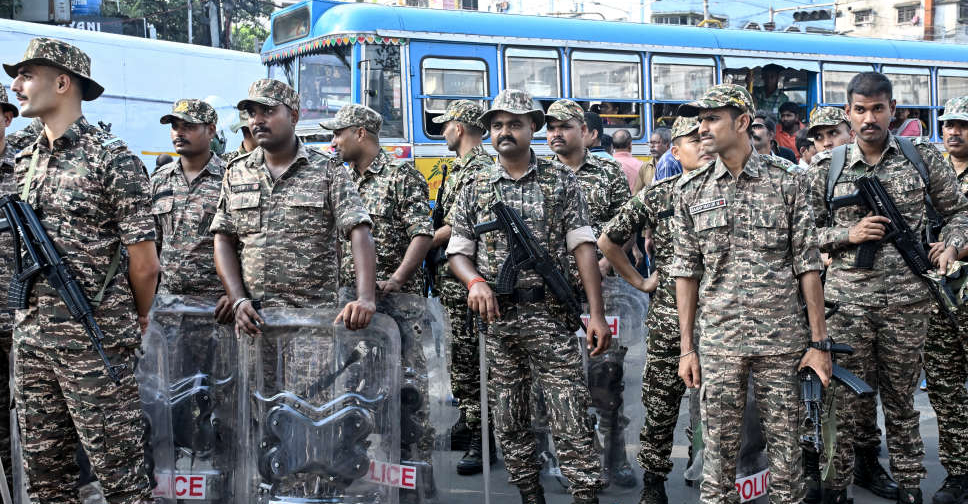 India's 'cockroach' movement leaders detained in jail for 5 days
 Saudi Aramco administrative building targeted, minor blaze reported
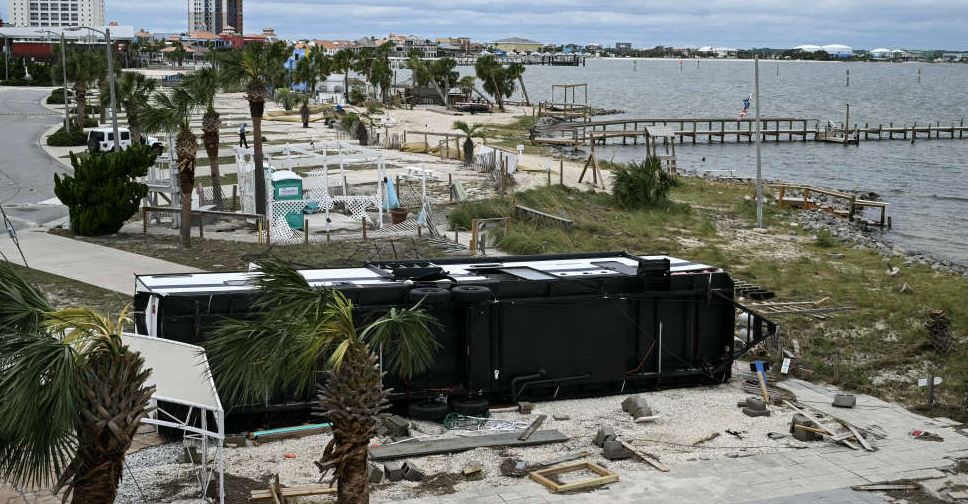 6 deaths confirmed in Florida from Hurricane Isaias, governor says
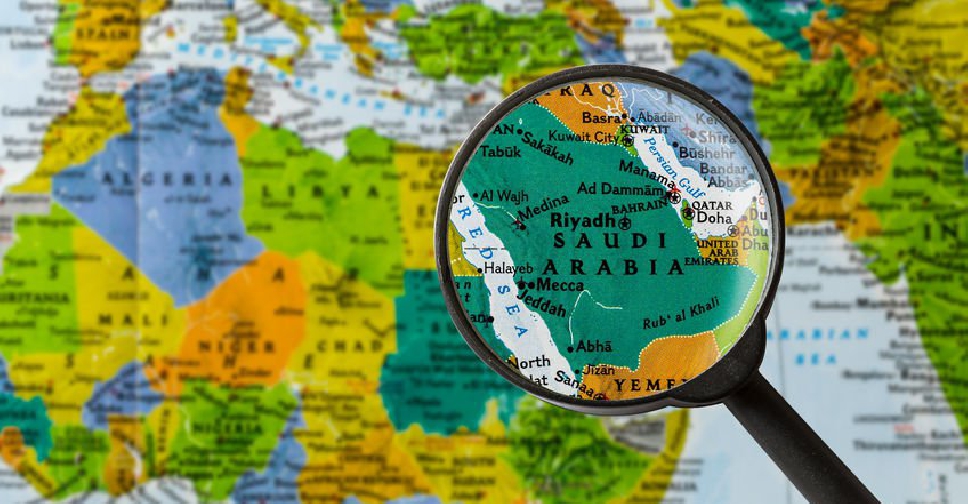 Saudi-led coalition to prevent Houthis from using Yemeni facilities for attacks