

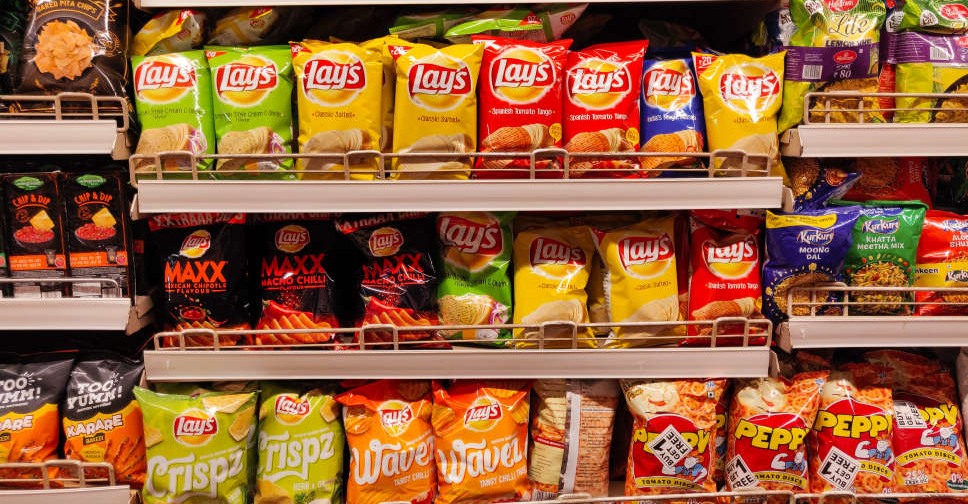
India's Supreme Court questioned on Monday why the government wanted to "waste so much time" on fresh public and industry consultations before adopting warning labels on packaged items, in its latest push for swifter action on food labelling.
In an unprecedented food safety crackdown, India has raided eateries and shut scores of restaurants and factories nationwide on grounds of hygiene lapses.
It has unveiled tougher labelling measures, requiring red hexagon-shaped labels on packaged items to warn consumers of foods high in salt, sugar or fat, after years of lobbying by the $100-billion industry.
"Why do you want to waste so much time when we are concerned about health issues?" Supreme Court Justice JB Pardiwala asked during a hearing. "We expect the authority to accept our order ... do not disappoint us."
His remarks came during a review of the labelling scheme sought by activists voicing concerns that New Delhi has not adopted stricter rules on front-of-pack labels despite years spent deliberating and canvassing public views.
The court said it would soon issue a final order on the matter.
CLAMPDOWN ON SALES OF JUNK FOOD TO CHILDREN
India's regulatory effort coincides with a push to ban sales of junk food in and near schools that will pull it closer toward rules in countries such as Chile and Mexico, for example.
Last week, the regulator said notification and public consultation regarding its stricter warning labels will need four months, followed by a further year for implementation.
"Why do you need so much time, why do you want to start a fresh (consultation) to receive objections? ... what did you do in the last four years?" Pardiwala asked.
India has flagged obesity concerns, particularly among children, in its population of 1.4 billion.
Its number of 180 million overweight or obese adults in 2021 is projected to rise to 450 million by 2050, a study in the British medical journal the Lancet showed.
INDUSTRY CONCERNS ON RED COLOUR, THRESHOLDS
India is a top growth market for global consumer giants such as PepsiCo, Coca-Cola, Mondelez and Nestle, and also thousands of small domestic sellers of traditional savouries and sweets.
The colour and symbol used for the warnings "require careful consideration in the Indian context" the All India Food Processors Association, which represents dozens of Indian and foreign food giants, said ahead of the hearing.
"The average Indian consumer is habituated to associating the colour red with the mandatory non-vegetarian identification mark," it told the court in a new submission, which Reuters reviewed.
The group said it had warned the regulator that "introducing another prominent red warning symbol may create confusion among consumers".
GROUP IS NOT OPPOSED TO FRONT-OF-PACK WARNINGS
While the group did not oppose front-of-pack warnings, it objected to "indiscriminate application" of the proposed thresholds and called for them to be decided in a scientific manner.
India backs a red warning if the level of added sugar exceeds 3 per cent of solid products by weight, and fat in excess of 4.2 per cent, norms stricter than many foreign markets.
The industry also repeated concerns that warnings should be decided on consumption of a single product serving, rather than the figure of 100 gm (3.5 oz) currently proposed.
"Indian foods are eaten in widely varying quantities, including approximately 10 gm of pickle, 15 to 20 gm of spread of condiments, 30 gm of bread," the group said.

 UK police question five men held at airbase used by US
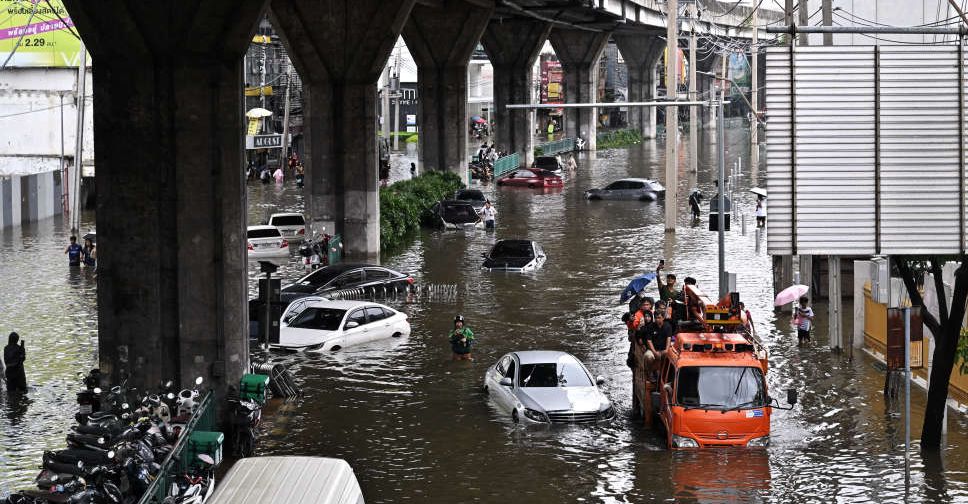 Thousands huddle in Bangkok shelters as Thai flood damages seen at $320 mln
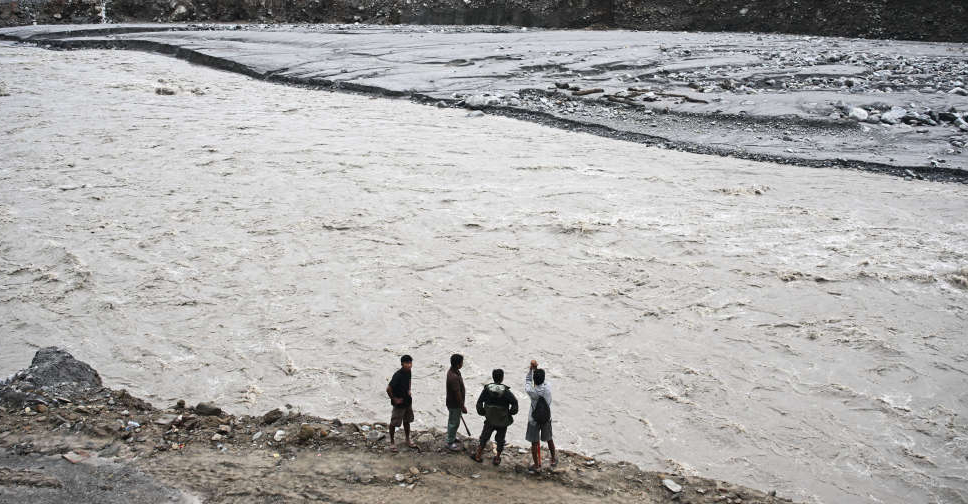 Floods, landslides kill 56 in India and 14 in Nepal
 Congo's Ebola infections cross 8,000, government says
 British police arrest five men at US air base in major incident