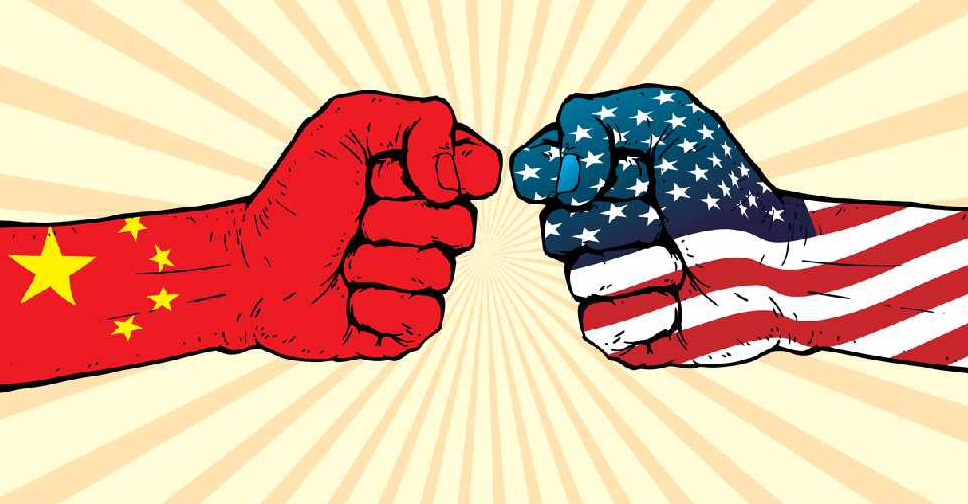
The US government's order to China to shut its consulate in Houston is an attempt to blame Beijing for US failures ahead of the November presidential election.
That's according to the Chinese state media, which described the closure as "a new gambit in the US administration's bid to paint China as a malevolent actor on the world stage, and thus make it an outlaw to the international community".
"The move shows that lagging behind his presidential election opponent in the polls ... the US leader is going all out in his attempts to portray China as an agent of evil," it said.
Meanwhile, China's embassy to the US described the order as "political provocation" and called on Washington to "immediately revoke" the decision.
Foreign ministry spokeswoman Hua Chunying wrote on Twitter that China would "surely react with firm countermeasures".
The US on Wednesday said it had given China 72 hours to close the consulate "to protect American intellectual property and Americans' private information", prompting Chinese threats of retaliation.
The decision marked a dramatic escalation of tension between the world's two biggest economies amid fresh accusations of Chinese espionage in the US and calls by US Secretary of State Mike Pompeo for a new global coalition against Beijing.
Donald Trump is set for a whirlwind schedule of meetings with leaders from four continents at the UN General Assembly on Tuesday, against the backdrop of the wars in Ukraine and Iran that show no signs of abating.
At least five people, including students, were wounded when an attacker opened fire in front of a high school in the western Turkish province of Manisa on Tuesday, broadcaster NTV and the local governor's office said.
Torrential rains brought by a powerful typhoon lashing Japan's Pacific coast caused landslides that killed four people with six missing, public broadcaster NHK said on Tuesday, while snapping electricity supply to about 45,000 homes.
Thousands of flights across the US were disrupted on Monday, with incoming flights halted for hours at major East Coast airports, before the Federal Aviation Administration resolved a telecommunications problem late in the afternoon.
British Prime Minister Andy Burnham said on Monday he had agreed to a request from Saudi Arabia to provide defensive air-to-air refuelling for a limited time period, a move he described as helping to stabilise the wider region.



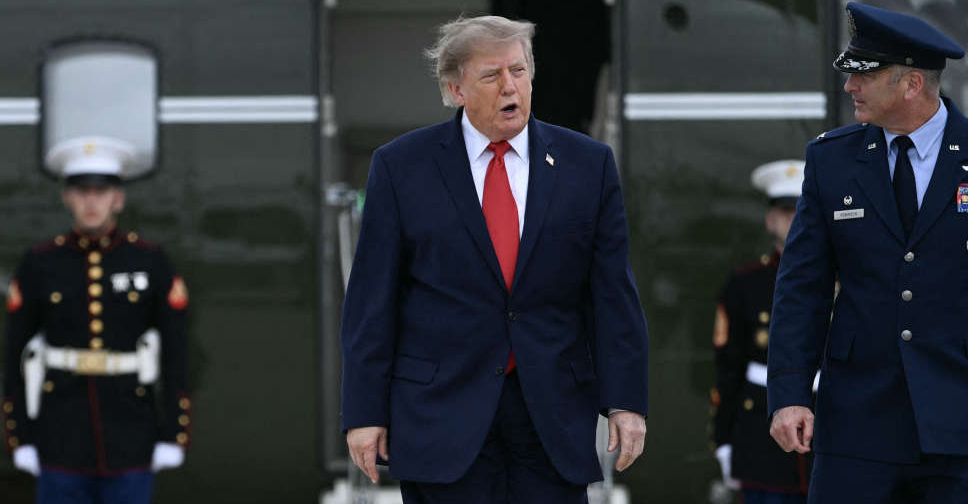 Trump set for whirlwind UN meetings with wars in Iran, Ukraine on agenda
 Shooting wounds at least five outside school in western Turkey
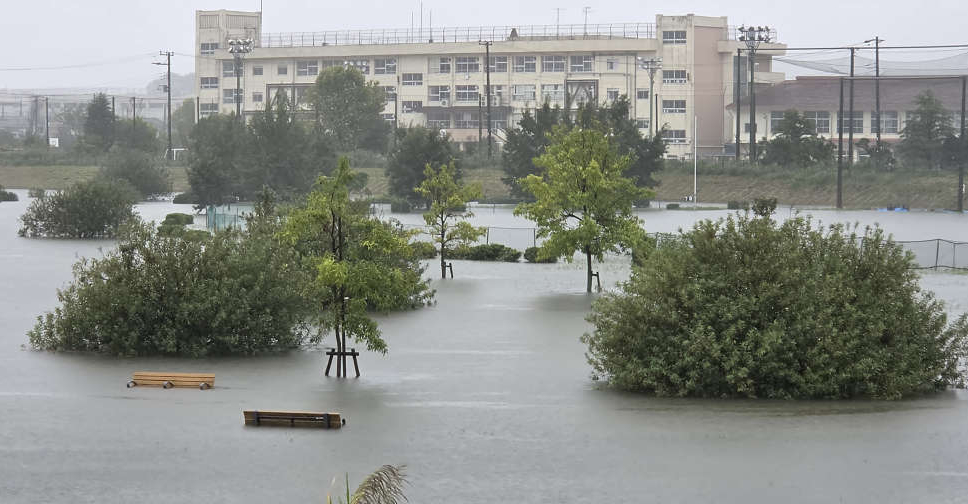 Torrential rains brought by Japan typhoon kill four, NHK says
 Thousands of US flights halted before telecom problem resolved
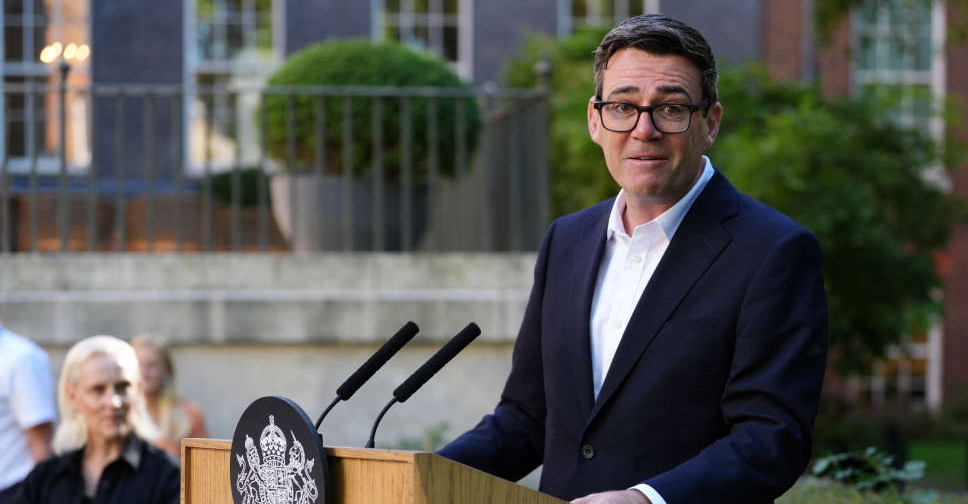 UK's Burnham agrees to Saudi request for refuelling support