

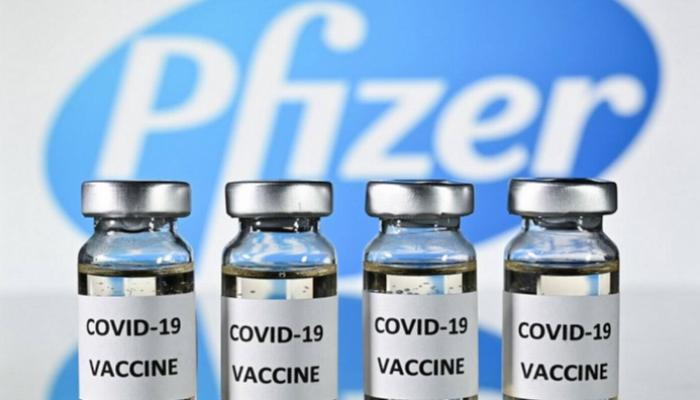
The benefits of mRNA COVID-19 vaccines outweigh the small risk that they may cause heart inflammation, as the jabs reduce hospitalisations and deaths, an advisory panel of the World Health Organisation said.
In a statement, the WHO said that reports of two rare conditions - myocarditis, an inflammation of the heart, and of its lining, called pericarditis - had typically occurred within days of vaccination, mainly among younger males after the second dose.
"Very rare cases of myocarditis and pericarditis have been observed following vaccination with the mRNA COVID-19 vaccines," it said, referring to the two vaccines using such technology, by Pfizer-BioNTech and Moderna.
"The benefits of mRNA COVID-19 vaccines outweigh the risks in reducing hospitalisations and deaths due to COVID-19 infections," it said.
Available data suggested myocarditis and pericarditis following vaccination was "generally mild" and responded to treatment such as rest or non-steroidal anti-inflammatory drugs, the WHO said. "Follow-up is ongoing to determine long-term outcomes," it said.
"Vaccinated individuals should be instructed to seek immediate medical attention if they develop symptoms indicative of myocarditis or pericarditis such as new onset and persisting chest pain, shortness of breath, or palpitations following vaccination," it added.
Earlier on Friday, Europe's drug regulator said it had found a possible link between very rare heart inflammation and COVID-19 vaccines from Pfizer-BioNTech and Moderna. It too stressed that the benefits of the shots outweighed any risks.


 Azerbaijan accuses Iran of firing two drones at its territory, injuring two
 72 killed in Israeli attacks on Lebanon as it warns residents to leave south
 Landslide kills over 200 people at Congo's Rubaya mine
 80 people killed after US sinks Iranian warship
 Emergency GCC-EU meeting to discuss Iranian aggression