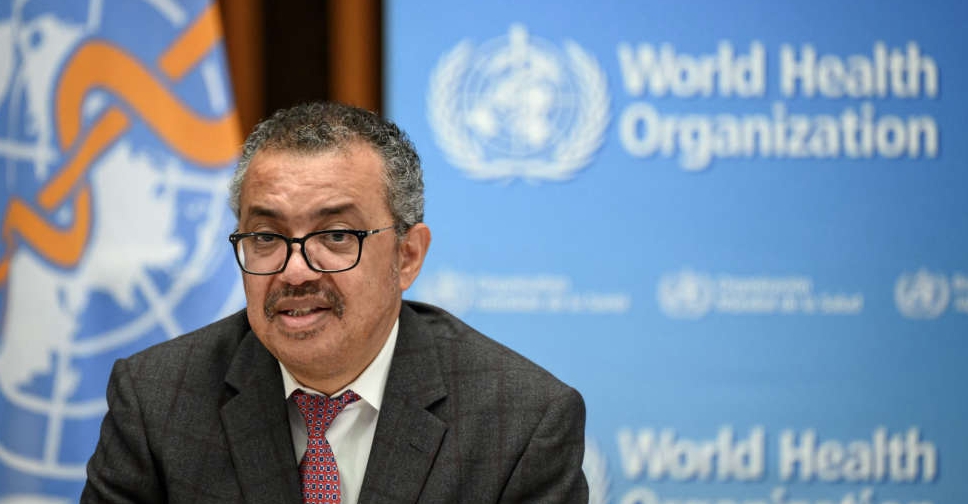
A United Nations Weibo post on the World Health Organisation chief's comments that China's zero-tolerance COVID-19 policy is not sustainable was removed from the Chinese social media platform on Wednesday morning shortly after being published.
WeChat, another Chinese social media platform, disabled the sharing function of a similar post by the United Nations.
Addressing a media briefing on Tuesday, WHO Director-General Tedros Adhanom Ghebreyesus said: "We don't think that it is sustainable considering the behaviour of the virus and what we now anticipate in the future."
His remarks were posted in Chinese by the United Nations on its social media accounts.
The United Nations and Weibo did not immediately respond to requests for comment. The item on WeChat carried the explanation: "This article has been prohibited from sharing because it has violated relevant laws and regulation."
Tedros's remarks generated much buzz on China's heavily censored internet, as a prolonged lockdown in Shanghai and increasing curbs on mobility in Beijing and other cities caused mounting frustration among people.
China is adamant that it will stick to its zero-COVID policy to fight a disease that first emerged in the city of Wuhan in late 2019, warning last week against criticism of a policy that it says is saving lives.
Pakistan said it launched strikes on targets in Afghanistan after blaming recent suicide bombings, including assaults during the holy month of Ramadan, on fighters it said were operating from its neighbour's territory.
One police officer was killed and 24 other people were injured after several explosive devices detonated at midnight in Lviv in western Ukraine, the National Police said on Sunday.
President Donald Trump said on Saturday he will raise a temporary tariff from 10 per cent to 15 per cent on US imports from all countries, the maximum level allowed under the law, after the US Supreme Court struck down his previous tariff programme.
The move came less than 24 hours after Trump announced a 10% across-the-board tariff on Friday after the court's decision. The ruling found the president had exceeded his authority when he imposed an array of higher rates under an economic emergency law.
The new levies are grounded in a separate but untested law, known as Section 122, that al
Hong Kong proposes to spend about HK$4 billion ($512 million) to buy out the owners of homes in a high-rise housing complex ravaged by a massive fire to resettle nearly 2,000 affected households.
The US Supreme Court struck down Donald Trump's sweeping tariffs that he pursued under a law meant for use in national emergencies, handing a stinging defeat to the Republican president in a landmark opinion on Friday with major implications for the global economy.




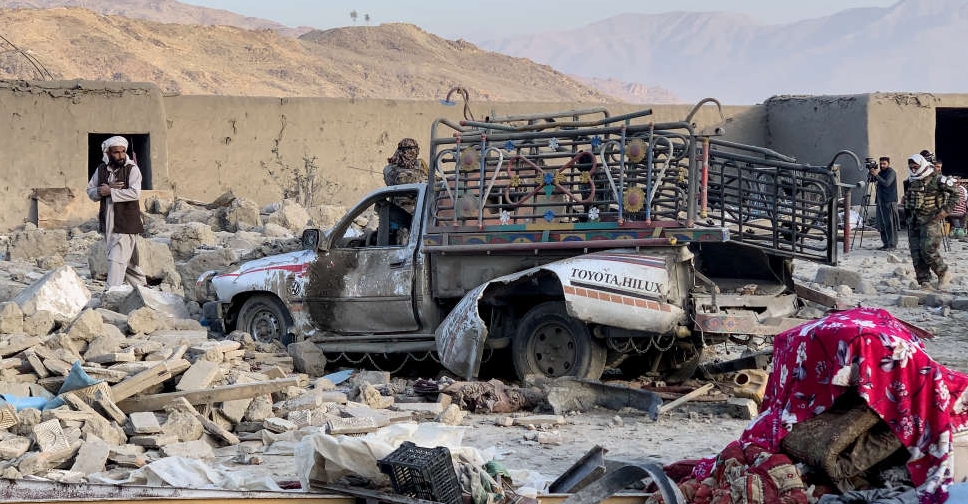 Afghanistan says Pakistan strikes kill and injure dozens
 Police officer killed, dozens injured in bomb explosions in Ukraine's Lviv
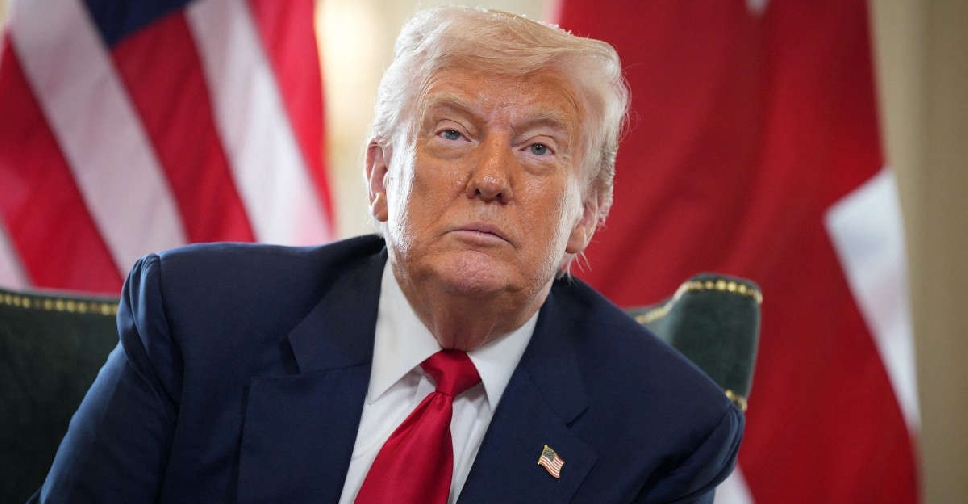 Trump pivots to new 15% global tariff after Supreme Court setback
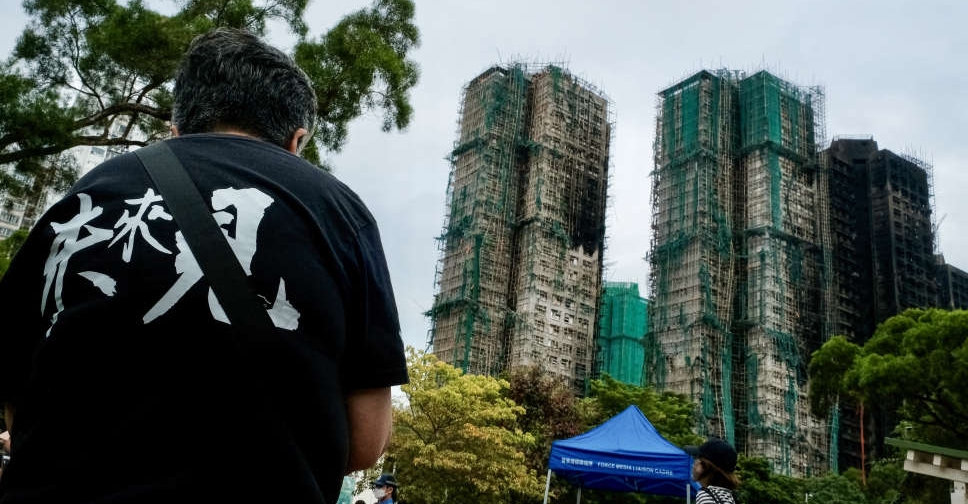 Hong Kong plans to buy homes devastated in deadly high-rise fire
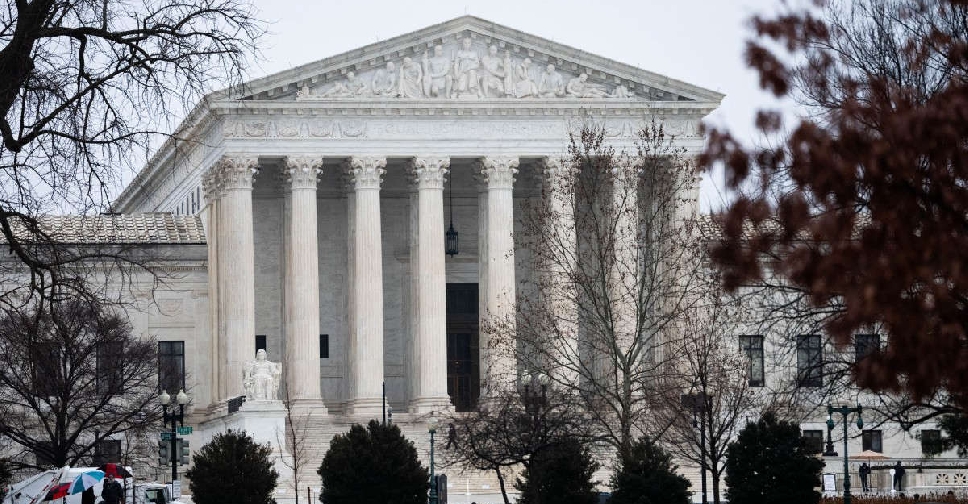 US Supreme Court strikes down Trump's global tariffs