

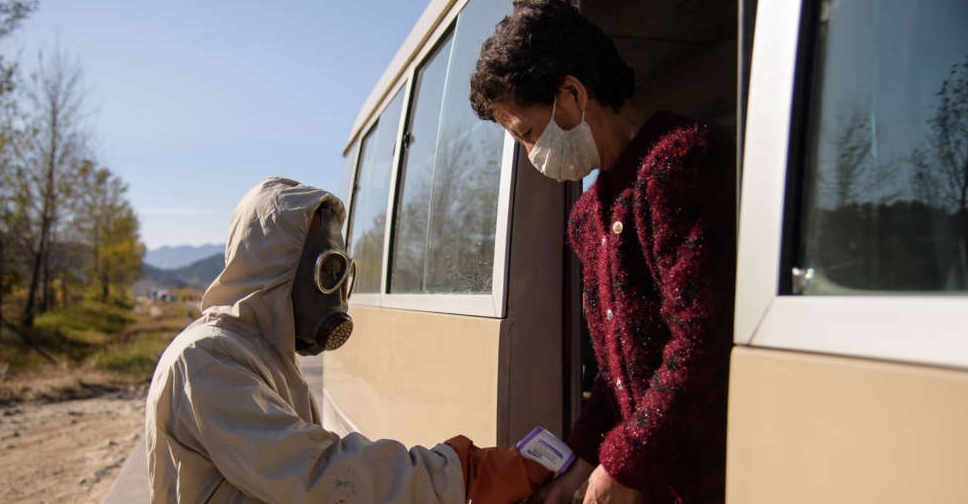
North Korea said on Tuesday there were no new deaths among fever patients in the country, the first time since it flagged a COVID-19 outbreak nearly two weeks ago, adding that it was seeing a "stable" downward trend in pandemic-related cases.
The COVID-19 wave, which North Korea first declared on May 12, has fuelled concerns over a lack of vaccines, inadequate medical infrastructure and a potential food crisis in the country of 25 million.
But the North said it was reporting "successes" in stemming the spread of the virus, and that there was no new fever death reported as of Monday evening despite adding 134,510 new patients.
It marked a third consecutive day the daily figure stayed below 200,000 and the first time for the North to report no new deaths since announcing the number of daily fever patients, according to the official KCNA news agency.
Apparently deprived of testing supplies, North Korea has not confirmed the total number of people testing positive for the coronavirus, instead, reporting the number with fever symptoms.
The total number of such cases, tallied since late April, rose to 2.95 million, while the death toll stood at 68, according to KCNA.
"In a few days after the maximum emergency epidemic prevention system was activated, the nation-wide morbidity and mortality rates have drastically decreased and the number of recovered persons increased, resulting in effectively curbing and controlling the spread of the pandemic disease and maintaining the clearly stable situation," KCNA said.
CREDIBILITY DOUBTED
Many analysts, however, doubt the credibility of the figures, saying they only demonstrate how hard it is to assess the actual scale of the COVID-19 wave in the isolated country.
"Through a mix of inadequate testing, disincentives at lower administrative levels to report serious outbreaks, cases, deaths, and whatever political motivations the top echelons may harbour, we have stats that are essentially nonsense," Christopher Green, a Korea specialist at Leiden University in the Netherlands, wrote on Twitter.
North Korea has said authorities were distributing food and medicine across the country, with military medics deployed to help distribute drugs and conduct health exams.
The KCNA also said North Korea was expanding the production of essential medicine supplies, though it did not elaborate exactly what types were being produced.
South Korea and the United States have proposed to help North Korea fight the pandemic, including with vaccines, but Pyongyang has not responded to the offer.
"Statistically speaking, the daily announcement is hardly comparable to international standards and appears more aimed at the domestic audience," said Moon Jin-soo, an associate professor at Seoul National University College of Medicine, referring to the North's reported fatality rate of 0.002 per cent.
South Korea's COVID-19 fatality rate stood at 0.13 per cent as of Tuesday.
South Korea's spy agency earlier told lawmakers the daily figure announced by North Korea appears to include non-COVID-19 patients as a number of waterborne diseases were already widespread in the country before it announced the coronavirus outbreak.


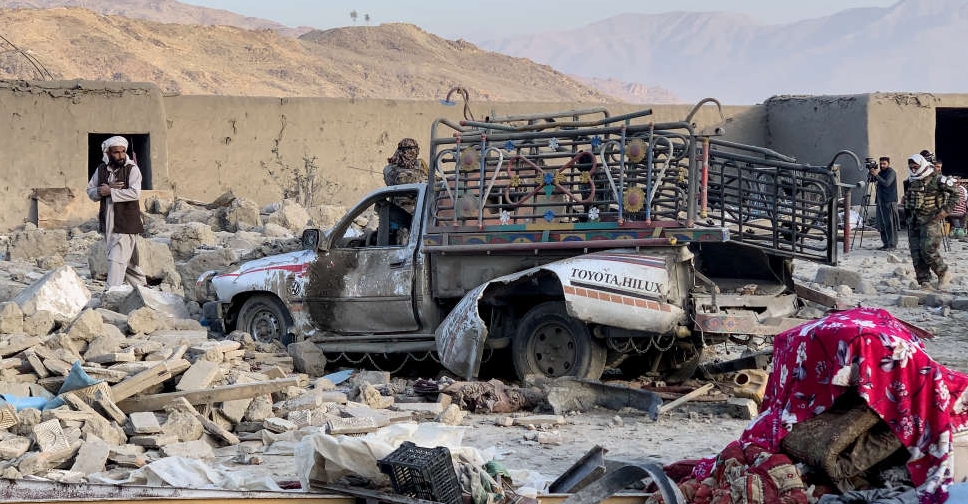 Afghanistan says Pakistan strikes kill and injure dozens
 Police officer killed, dozens injured in bomb explosions in Ukraine's Lviv
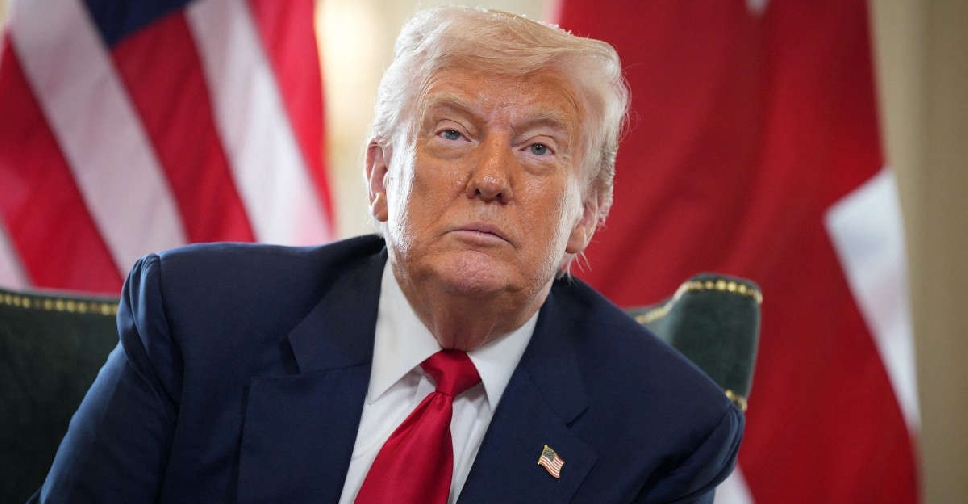 Trump pivots to new 15% global tariff after Supreme Court setback
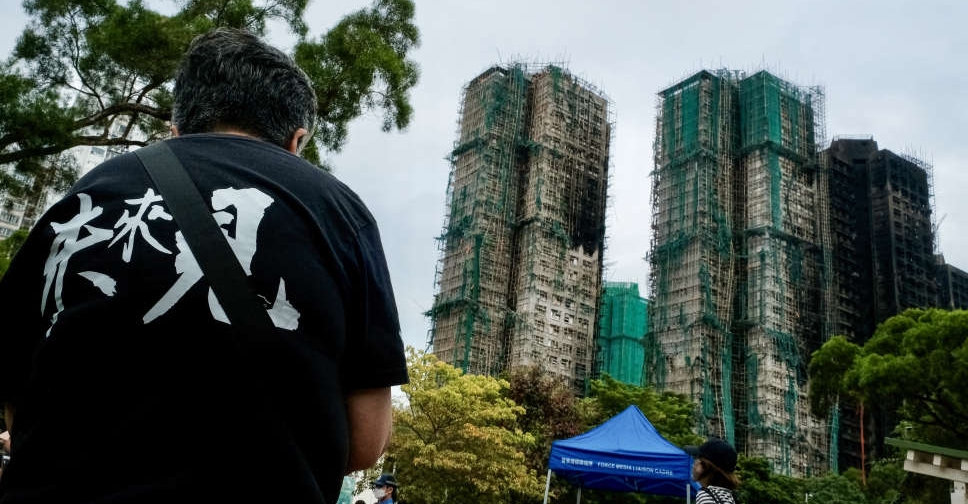 Hong Kong plans to buy homes devastated in deadly high-rise fire
 US Supreme Court strikes down Trump's global tariffs