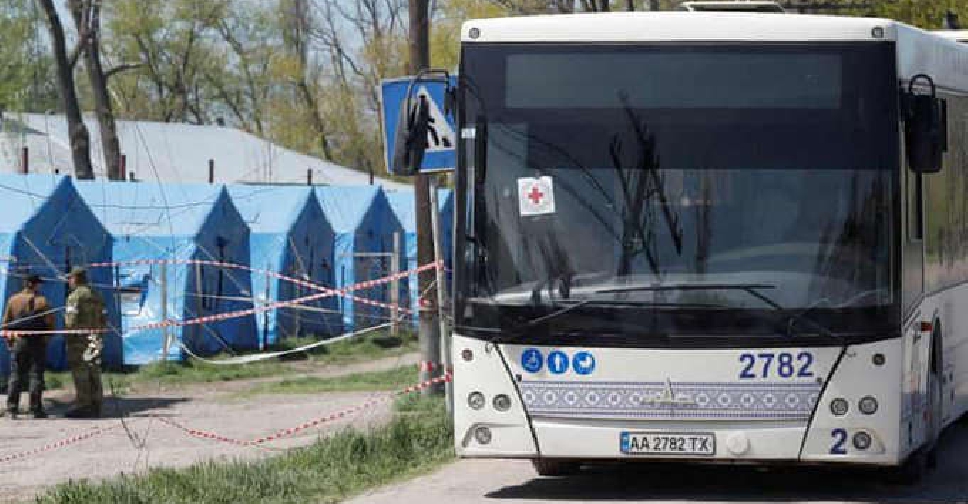
More than 50 civilians were evacuated on Sunday from Mariupol's Azovstal steel works in a convoy with vehicles bearing United Nations symbols, signalling a deal had been struck to ease the ordeal of the most destructive siege in the Russia-Ukraine conflict.
The siege of Mariupol has turned the port city into a wasteland with an unknown death toll and thousands trying to survive without water, sanitation or food.
The city is under Russian control but some fighters and civilians remain holed up in the Azovstal works - a vast Soviet-era plant founded under Josef Stalin and designed with a labyrinth of bunkers and tunnels to withstand attack.
In one of the first major signs of an evacuation deal, a group of around 40 civilians arrived on Sunday at a temporary accommodation centre after leaving the area around the Azovstal plant.
They arrived in the village of Bezimenne in the Russian-backed Donetsk Region, around 30km east of Mariupol, with Ukrainian number plates in a convoy with Russian forces and vehicles with United Nations symbols.
Later, another group, numbering around 14 people, arrived at the accommodation centre.
U.N. Secretary General Antonio Guterres said after meeting Ukrainian President Volodymyr Zelenskyy in Kyiv on Thursday that intense discussions were under way to enable the evacuation of Azovstal.
Pakistan said it launched strikes on targets in Afghanistan after blaming recent suicide bombings, including assaults during the holy month of Ramadan, on fighters it said were operating from its neighbour's territory.
One police officer was killed and 24 other people were injured after several explosive devices detonated at midnight in Lviv in western Ukraine, the National Police said on Sunday.
President Donald Trump said on Saturday he will raise a temporary tariff from 10 per cent to 15 per cent on US imports from all countries, the maximum level allowed under the law, after the US Supreme Court struck down his previous tariff programme.
The move came less than 24 hours after Trump announced a 10% across-the-board tariff on Friday after the court's decision. The ruling found the president had exceeded his authority when he imposed an array of higher rates under an economic emergency law.
The new levies are grounded in a separate but untested law, known as Section 122, that al
Hong Kong proposes to spend about HK$4 billion ($512 million) to buy out the owners of homes in a high-rise housing complex ravaged by a massive fire to resettle nearly 2,000 affected households.
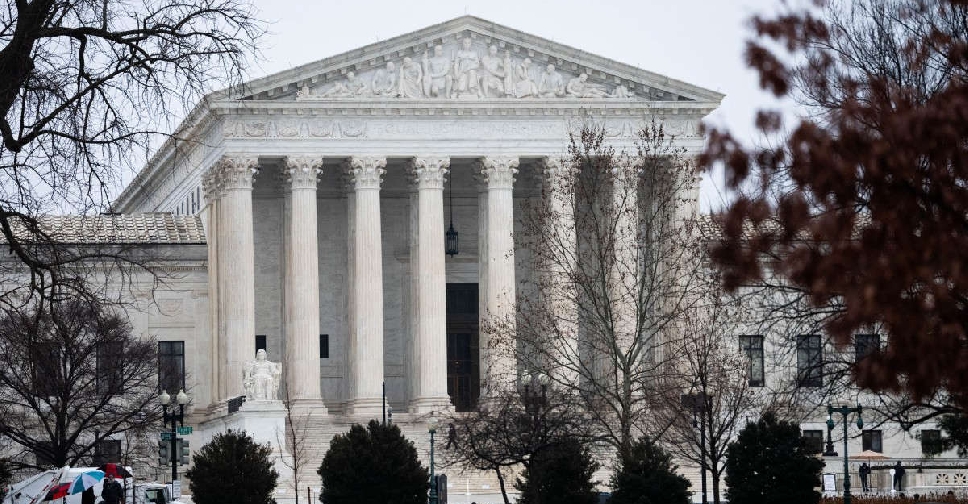
The US Supreme Court struck down Donald Trump's sweeping tariffs that he pursued under a law meant for use in national emergencies, handing a stinging defeat to the Republican president in a landmark opinion on Friday with major implications for the global economy.




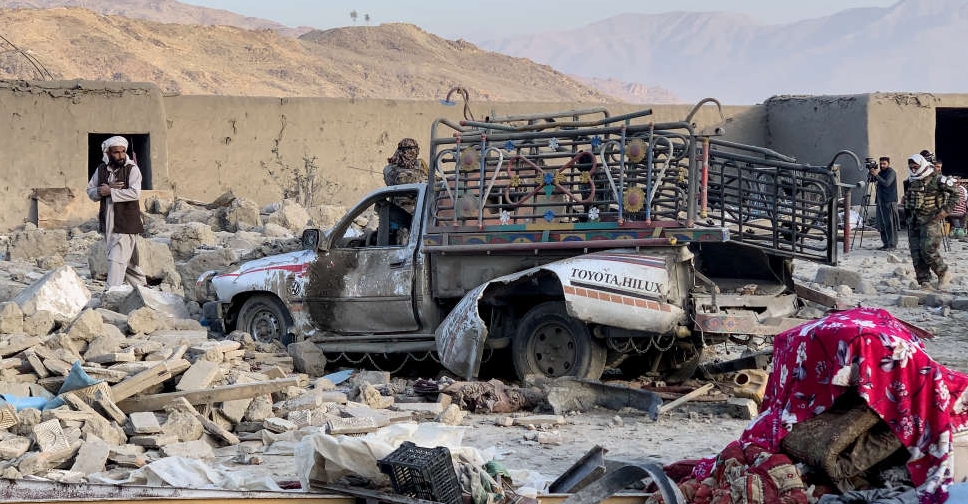 Afghanistan says Pakistan strikes kill and injure dozens
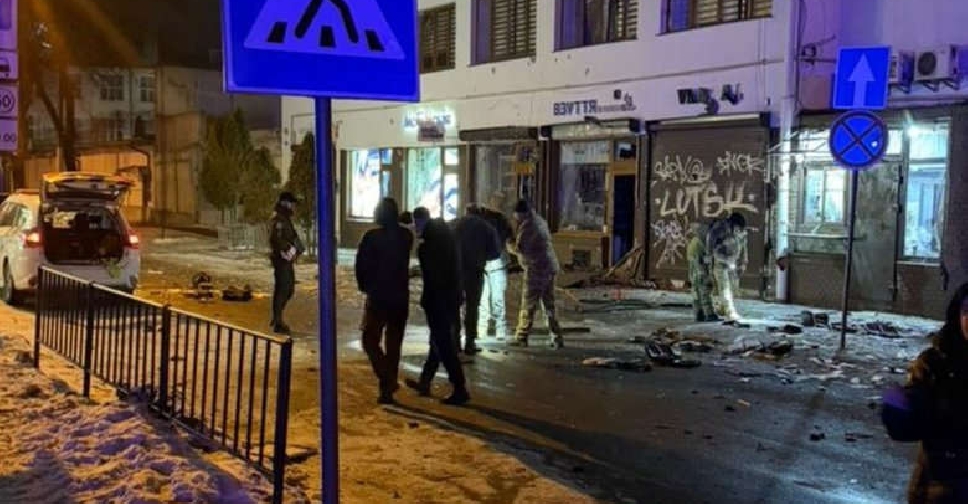 Police officer killed, dozens injured in bomb explosions in Ukraine's Lviv
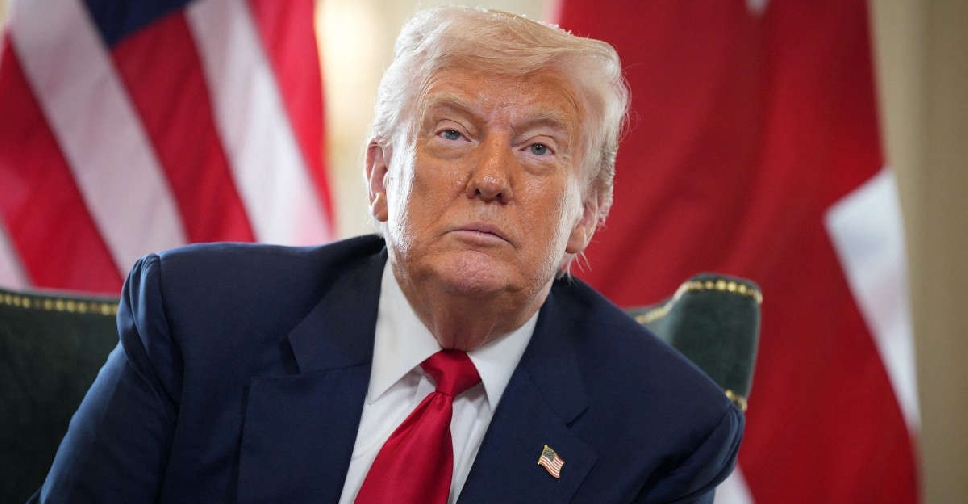 Trump pivots to new 15% global tariff after Supreme Court setback
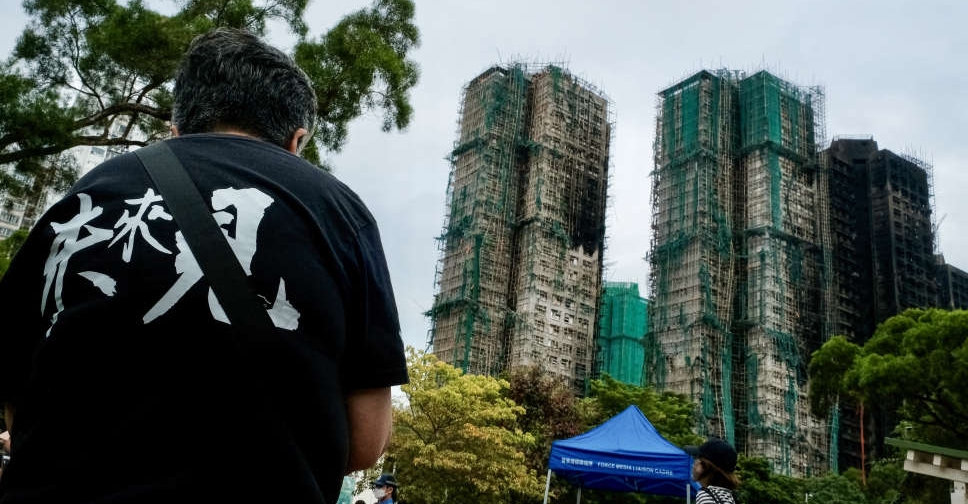 Hong Kong plans to buy homes devastated in deadly high-rise fire
 US Supreme Court strikes down Trump's global tariffs