
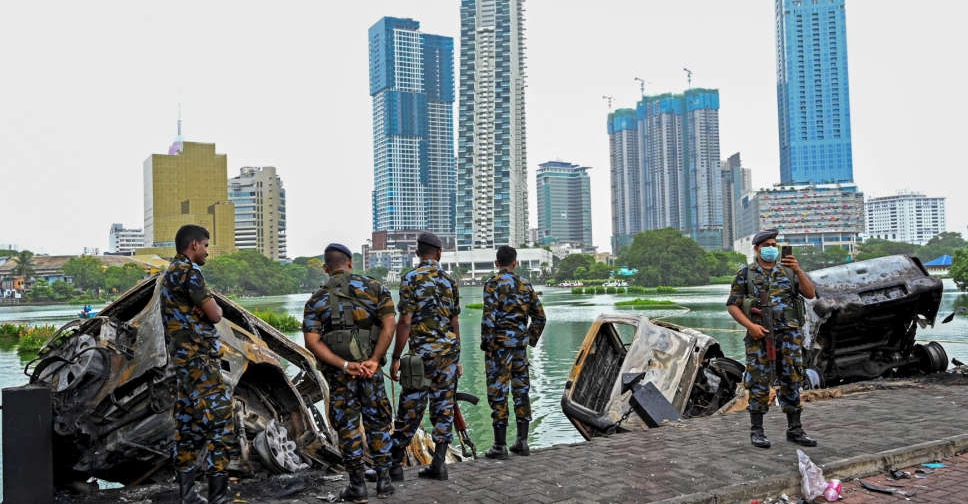
Many Sri Lankans thronged buses in the main city Colombo on Thursday to return to their hometowns with leaders of political parties due to meet after the prime minister quit and went into hiding and President Gotabaya Rajapaksa warned of anarchy.
Hundreds of people thronged the main bus station in the commercial capital after authorities lifted an indefinite curfew at 7:00 am (0130 GMT). The curfew will be reimposed at 2:00 pm.
The island nation, battling its worst economic crisis since independence, was gripped by violence earlier this week after supporters of former Prime Minister Mahinda Rajapaksa, the president's elder brother, attacked an anti-government protest camp in the commercial capital Colombo on Monday.
Days of violent reprisals against government figures aligned to the powerful Rajapaksa clan followed. In total, 9 people were killed and more than 300 injured during the clashes, police said.
Protesters sprayed graffiti over Mahinda Rajapaksa's home in a southern town and ransacked a museum dedicated to his father. They have vowed to keep up the protests until the president also quits.
Mahinda Rajapaksa stepped down after the fighting erupted and is in hiding in a military base in the northeast of the country. His brother said on Wednesday he will appoint a new prime minister and cabinet this week "to prevent the country from falling into anarchy as well as to maintain the affairs of the government that have been halted".
On Thursday, streets in the main city Colombo remained quiet, with some people venturing out to buy essential supplies. Later in the day, leaders of political parties were to meet the speaker of the country's parliament to discuss the current situation.
President Rajapaksa has repeatedly called for a unity government to find a way out of the crisis, but opposition leaders say they will not serve until he resigns over his handling of the crisis.
Hit hard by the pandemic, rising oil prices and tax cuts by the populist Rajapaksa government, the island nation is experiencing its worst financial crisis since independence in 1948.
Useable foreign reserves stand as low as $50 million, inflation is rampant, and shortages of fuel have brought thousands onto the streets in more than a month of anti-government protests, that had remained predominantly peaceful until Monday.
Sri Lanka's central bank governor said on Wednesday failing to find a solution to the crisis in the next one to two weeks would lead to power cuts of up to 10 to 12 hours per day, as well as his own resignation.


 Afghanistan says Pakistan strikes kill and injure dozens
 Police officer killed, dozens injured in bomb explosions in Ukraine's Lviv
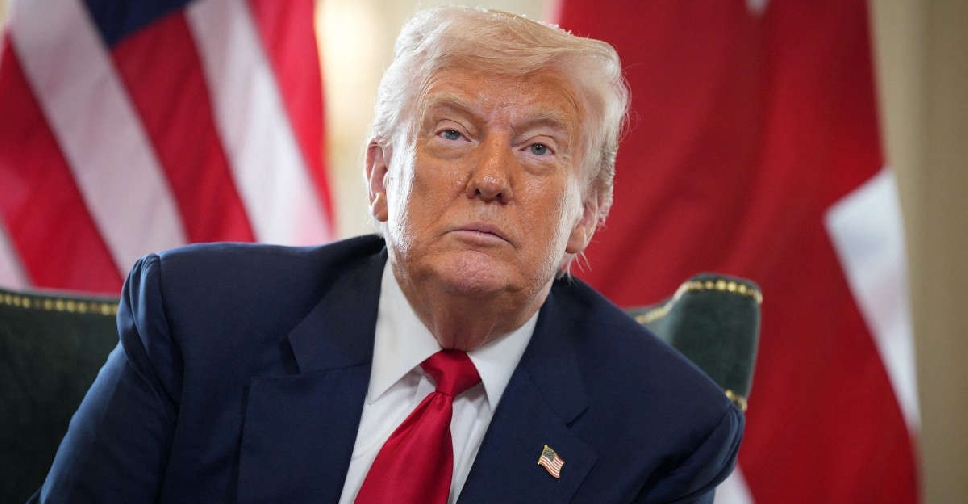 Trump pivots to new 15% global tariff after Supreme Court setback
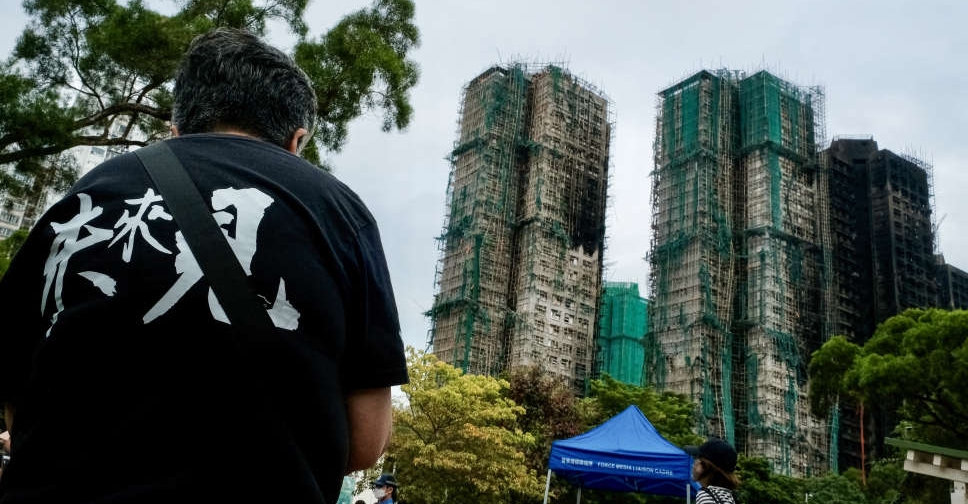 Hong Kong plans to buy homes devastated in deadly high-rise fire
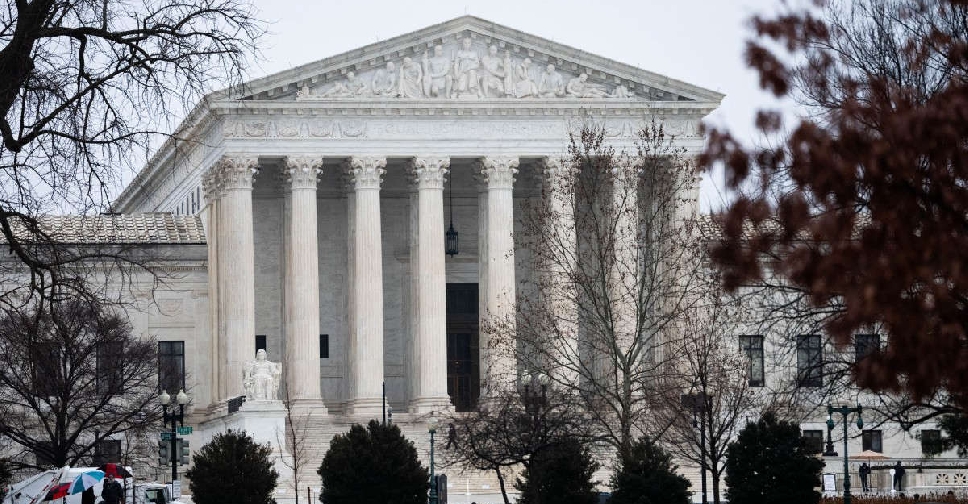 US Supreme Court strikes down Trump's global tariffs