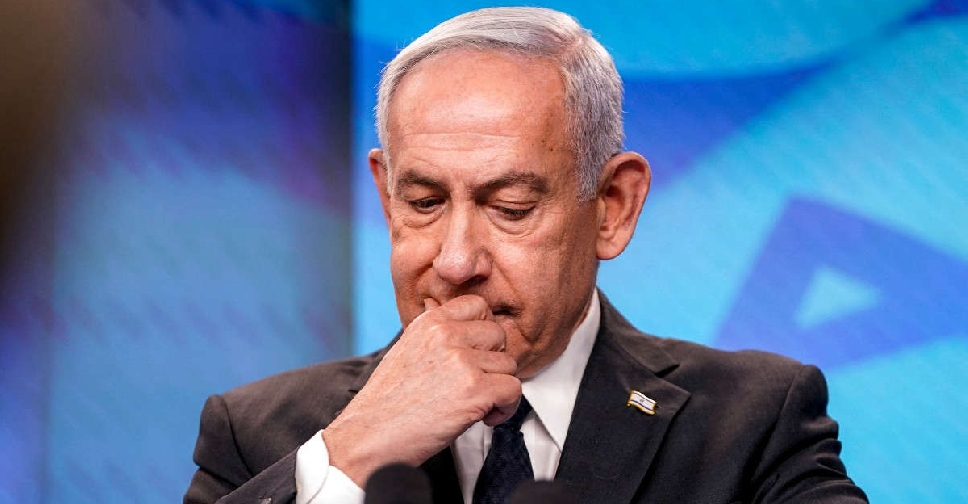
Israeli Prime Minister Benjamin Netanyahu said on Sunday that he will meet President Donald Trump later this month, saying a second phase of the US president's Gaza plan was close.
The meeting will discuss possible opportunities for peace and an end to the Palestinian group Hamas's rule in the enclave, he said during a joint press conference with German Chancellor Friedrich Merz.
Negotiations on the next stages of Trump's plan to end the two-year war in the Palestinian enclave have been continuing. The plan also included the release of Israeli hostages and the establishment of an interim technocratic Palestinian government in Gaza, overseen by an international "board of peace" and backed by an international security force.
"I will be having very important conversations at the end of the month on how to ensure the second phase will be achieved," Netanyahu added.
He also said that the first phase of Trump's plan was about to be finished.
Violence has subsided but not stopped since the Gaza truce took effect on October 10.
Since the truce started, Hamas has returned all 20 living hostages and 27 bodies in exchange for around 2,000 Palestinian detainees and prisoners. The body of one hostage still remains in Gaza.
An Iranian Revolutionary Guards senior official said on Monday that the Strait of Hormuz is closed and Iran will fire on any ship trying to pass, Iranian media reported.
Bahrain’s National Communication Centre says the country's defence force has repelled a new wave of attacks targeting the kingdom, intercepting and destroying 70 ballistic missiles and 59 Iranian drones.
Qatar’s Ministry of Defence says its armed forces have shot down two Iranian aircraft and intercepted multiple missiles and drones targeting the country.
Kuwait's air defences mistakenly shot down three US F-15 fighter jets during active combat on Monday, US Central Command said on Monday, describing it as an apparent friendly‐fire incident during the conflict with Iran.
Gaza is rapidly running out of its limited fuel supply and stocks of food staples may become tight, officials say, after Israel blocked the entry of fuel and goods into the war-shattered territory, citing fighting with Iran.



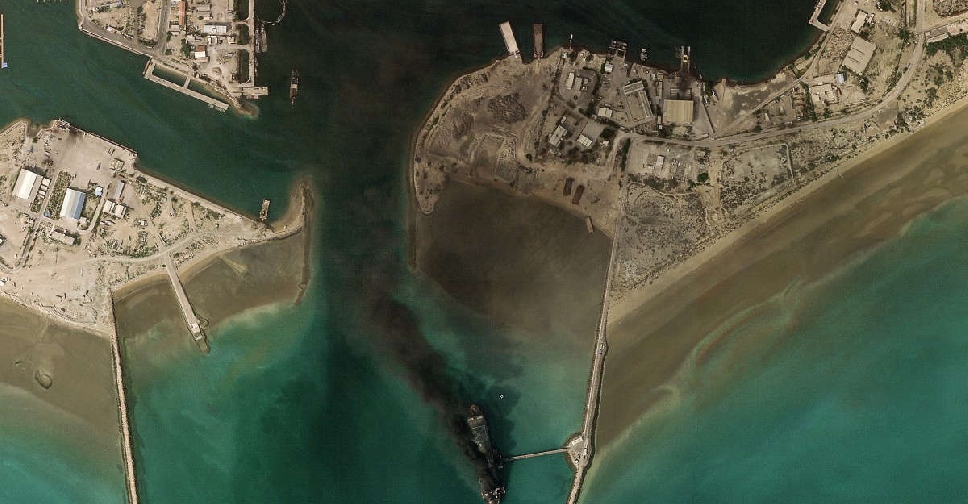 Iran vows to attack any ship trying to pass through Strait of Hormuz
 Bahrain thwarts fresh wave of Iranian aerial attacks
 Qatar shoots down Iranian jets, intercepts missiles, drones
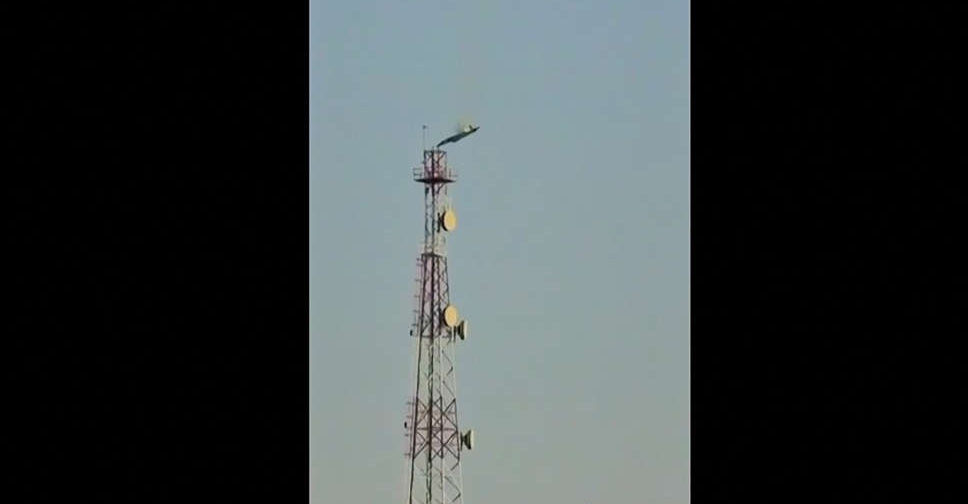 Kuwait shoots down US jets in friendly-fire incident, US CENTCOM says
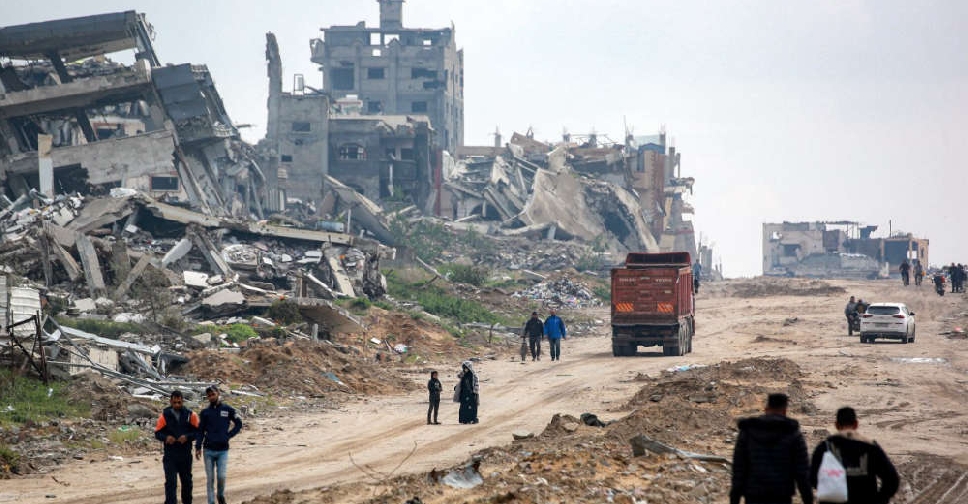 Gaza fuel running short after Israel closes borders amid Iran war