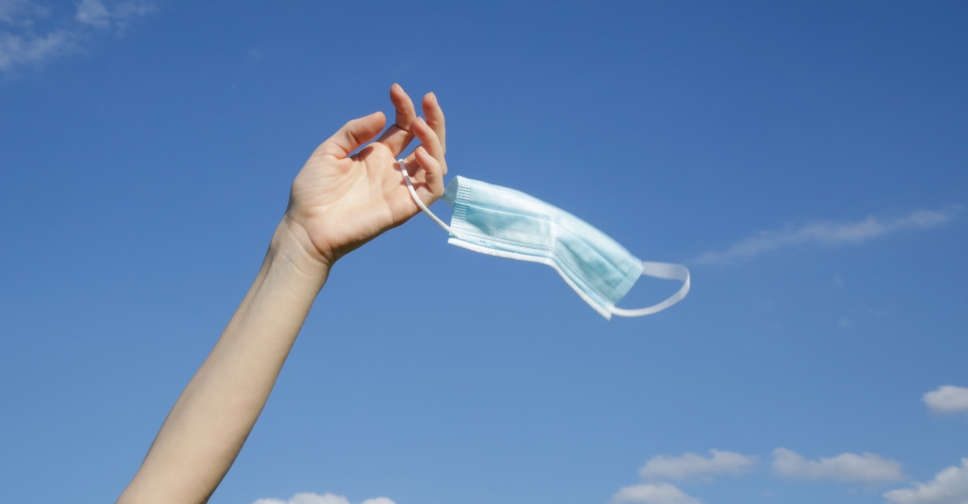
Indonesia will no longer require people to mask up outdoors, its president said on Tuesday, as COVID-19 infections decline in the Southeast Asian country.
As "the pandemic is getting more and more controlled," President Joko Widodo said in a statement that masks are no longer required outdoors.
But masks must still be worn indoors and on public transportation, he said, also recommending that the elderly and those with underlying health conditions or coughs continue to use them as well.
The new mask rules are set to take effect on Wednesday.
Indonesia will also ease testing requirements for foreign and domestic travellers, the president added, without giving details.
The latest easing of pandemic restrictions in Indonesia follows countries like Singapore, South Korea and Malaysia which also dropped their outdoor mask mandates in recent weeks.
Indonesia's daily COVID cases have declined since the last peak in February, although the government has said it is monitoring the possibility of an uptick after the annual mass exodus during the Eid-al-Fitr holiday earlier this month.
Pakistan said it launched strikes on targets in Afghanistan after blaming recent suicide bombings, including assaults during the holy month of Ramadan, on fighters it said were operating from its neighbour's territory.
One police officer was killed and 24 other people were injured after several explosive devices detonated at midnight in Lviv in western Ukraine, the National Police said on Sunday.
President Donald Trump said on Saturday he will raise a temporary tariff from 10 per cent to 15 per cent on US imports from all countries, the maximum level allowed under the law, after the US Supreme Court struck down his previous tariff programme.
The move came less than 24 hours after Trump announced a 10% across-the-board tariff on Friday after the court's decision. The ruling found the president had exceeded his authority when he imposed an array of higher rates under an economic emergency law.
The new levies are grounded in a separate but untested law, known as Section 122, that al
Hong Kong proposes to spend about HK$4 billion ($512 million) to buy out the owners of homes in a high-rise housing complex ravaged by a massive fire to resettle nearly 2,000 affected households.
The US Supreme Court struck down Donald Trump's sweeping tariffs that he pursued under a law meant for use in national emergencies, handing a stinging defeat to the Republican president in a landmark opinion on Friday with major implications for the global economy.




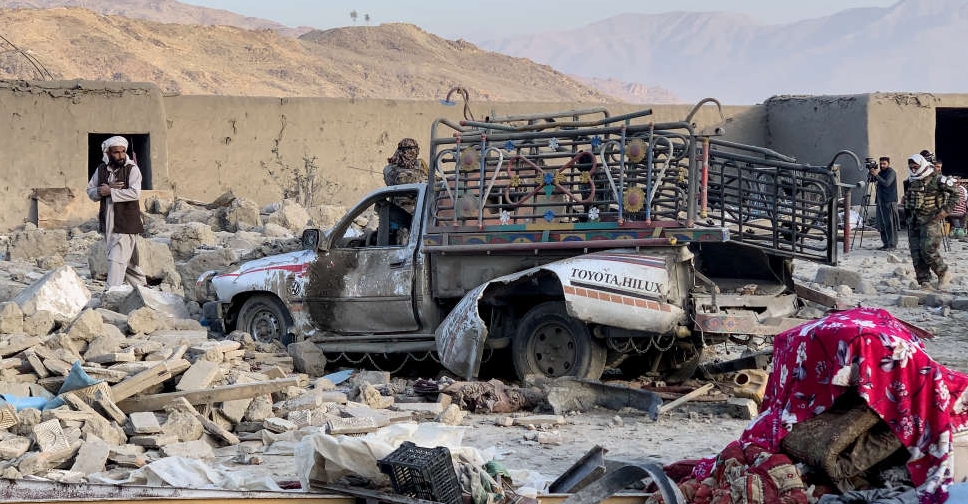 Afghanistan says Pakistan strikes kill and injure dozens
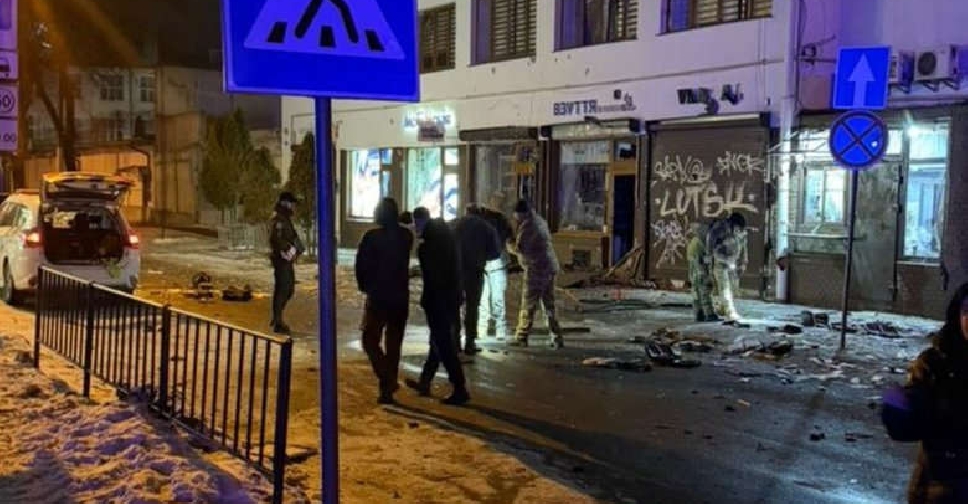 Police officer killed, dozens injured in bomb explosions in Ukraine's Lviv
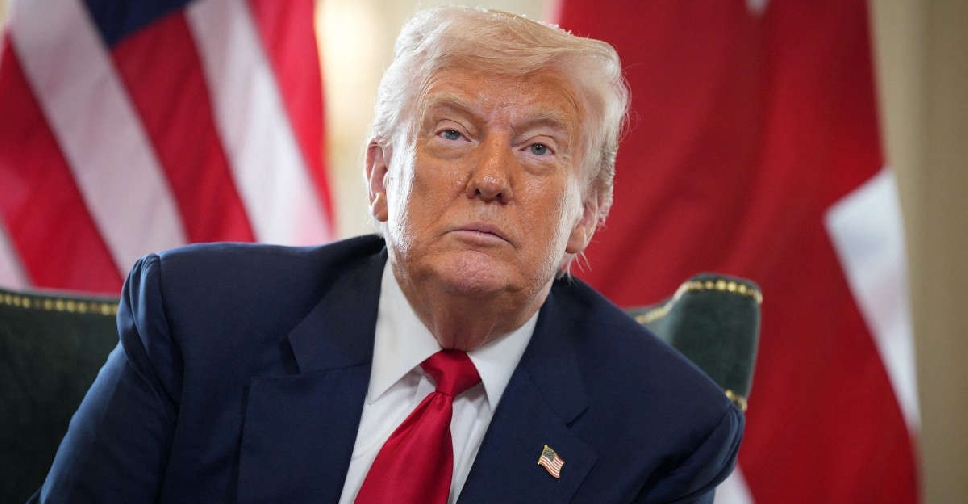 Trump pivots to new 15% global tariff after Supreme Court setback
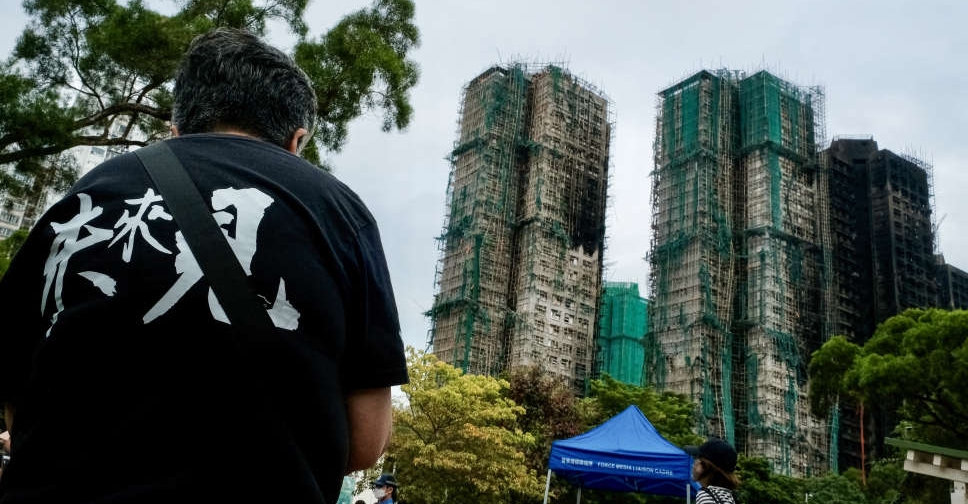 Hong Kong plans to buy homes devastated in deadly high-rise fire
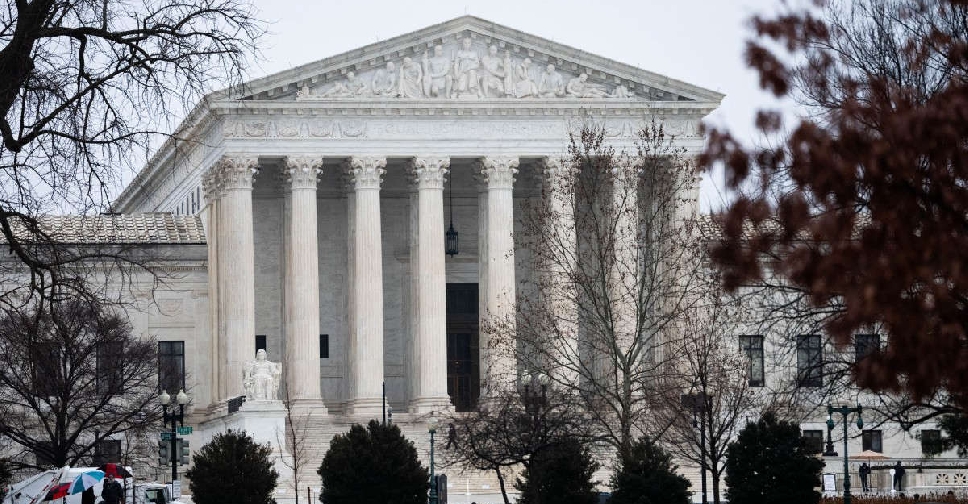 US Supreme Court strikes down Trump's global tariffs