

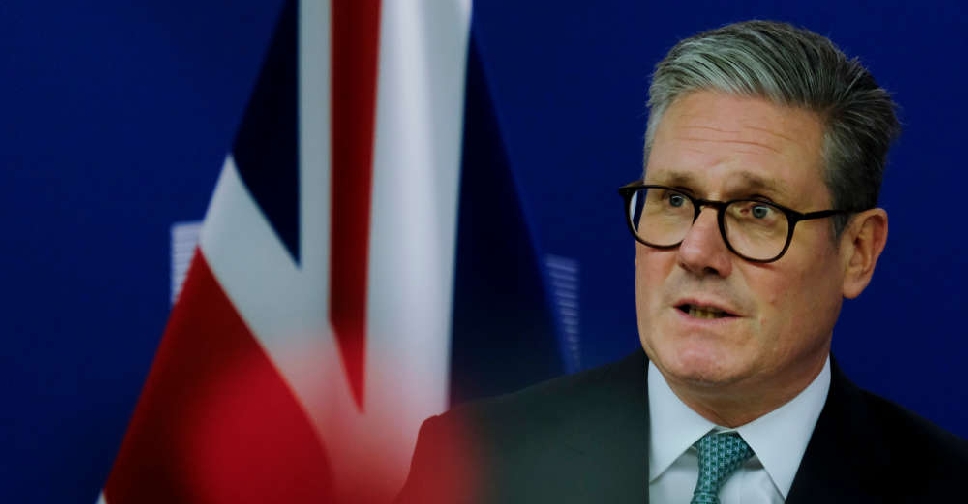
Britain on Friday said it would introduce a mandatory digital ID scheme for British citizens and residents starting a new job as a measure to deter illegal immigration.
"It will make it tougher to work illegally in this country, making our borders more secure," Prime Minister Keir Starmer said in a statement announcing the move, which had been previously reported.
Polling shows immigration is top of voters' concerns in Britain, with Starmer under intense pressure to stop migrants entering the country illegally by making crossings in small boats from France.
The plans, which the government had previously said it was considering, drew criticism from political opponents who say it would not deter migrants and could infringe on civil liberties.
"It's laughable that those already breaking immigration law will suddenly comply, or that digital IDs will have any impact on illegal work, which thrives on cash-in-hand payments," said a spokesperson for Nigel Farage's populist Reform UK Party, which leads opinion polls ahead of an election not due until 2029.
"All it will do is impinge further on the freedoms of law-abiding Brits."
The government said the digital ID would be held on people's mobile phones and would become a mandatory part of checks that employers already have to make when hiring a worker by the end of the current parliament in 2029.
It would, in time, also be used to provide access to other services like childcare, welfare and access to tax records.
In the 2000s Starmer's Labour Party, then led by Tony Blair, attempted to introduce an identity card, but the plan was eventually dropped by Blair's successor, Gordon Brown, after opposition that called it an infringement of civil liberties.
Britons have not been issued with identity cards since their abolition after World War II, and typically use other official documents such as passports and driving licences to prove their identity when required.
There was scathing criticism of the plan from Irish nationalist politicians in Northern Ireland, where many hold Irish rather than British passports and symbols of British rule are divisive.
The proposal was "ludicrous and ill-thought out" said Northern Ireland First Minister Michelle O'Neill, the head of Sinn Fein in the region.
She said it was "an attack on the Good Friday Agreement and on the rights of Irish citizens in the North of Ireland" referring to the 1998 peace agreement that largely ended decades of violence between Irish nationalists, the British army and pro-British unionists.

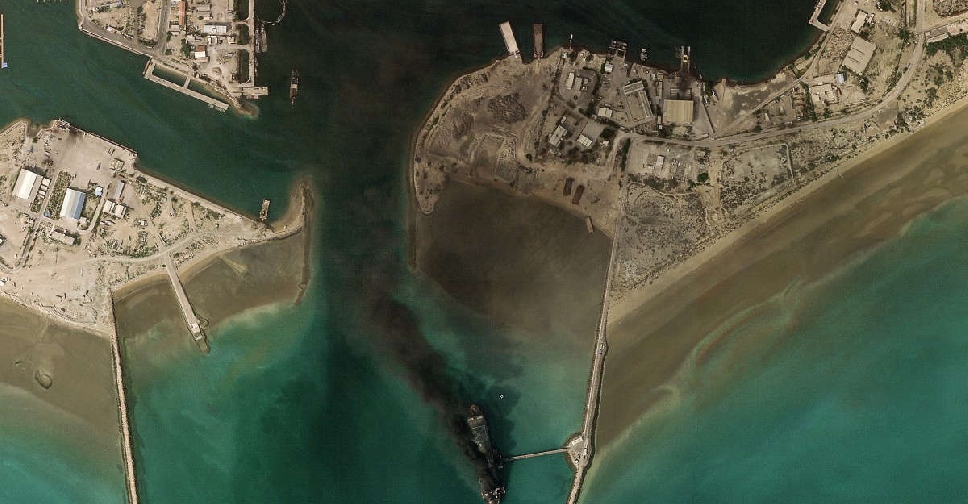 Iran vows to attack any ship trying to pass through Strait of Hormuz
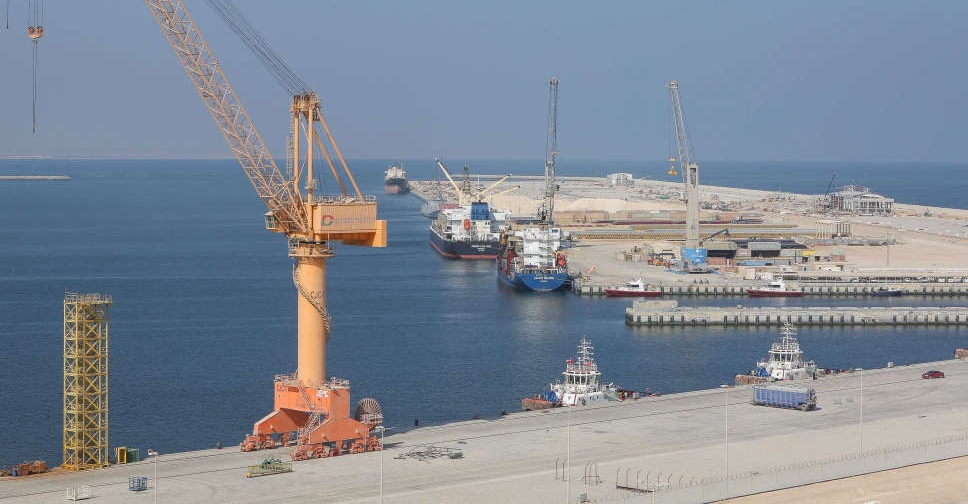 Drones target fuel tanks at Oman’s Duqm Port
 At least 42 civilians killed in Afghanistan in conflict with Pakistan, UN agency says
 Qatar announces interception of 2 jets, 101 missiles since Iranian attack
 Two drones target US embassy in Saudi Arabia